Understanding rat behavior is crucial for every pet owner, from newbies to seasoned enthusiasts. Knowing how to know if rats are playing or fighting can keep your furry friends safe and happy. You don’t want to miss cues that signal playful interactions versus aggressive confrontations. This guide will walk you through key indicators, along with essential tips for keeping your rat interaction safe and sound.
Top 7 Signs to Differentiate Between Play and Fighting in Rats
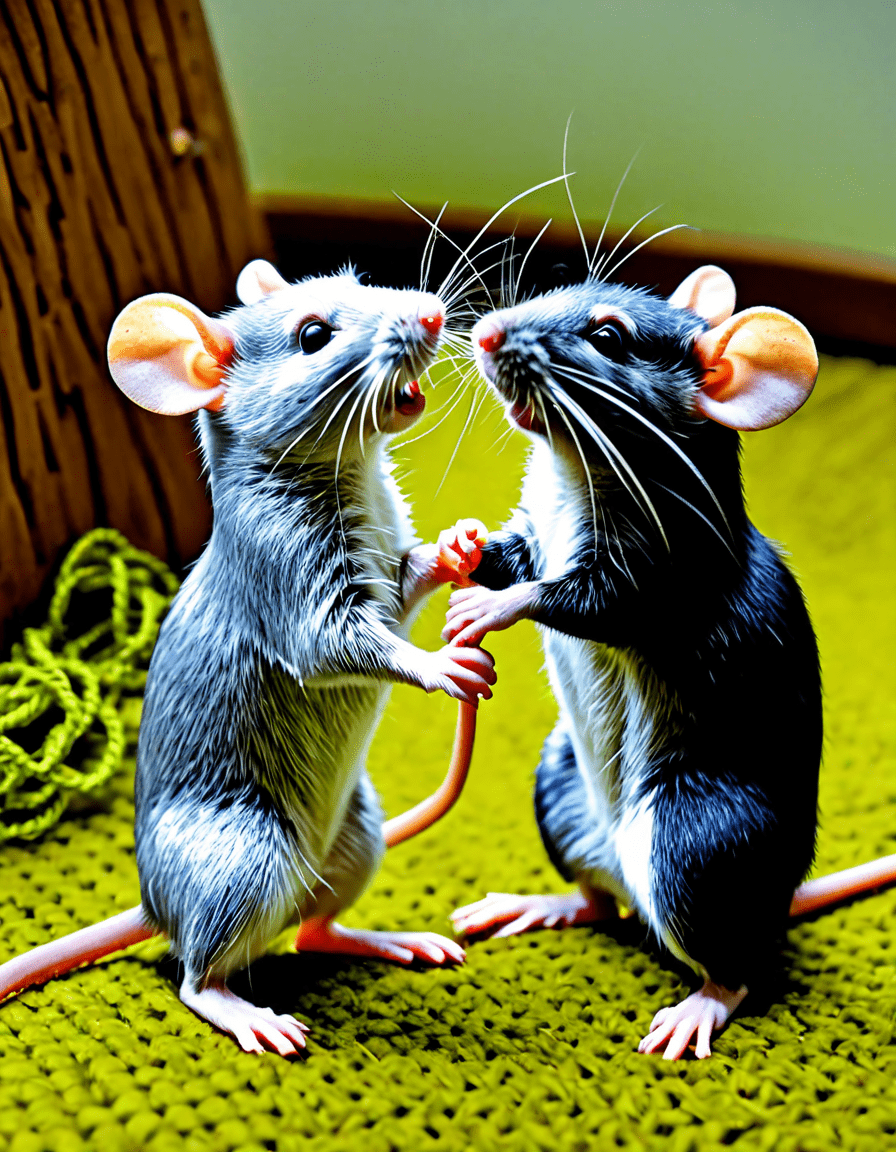
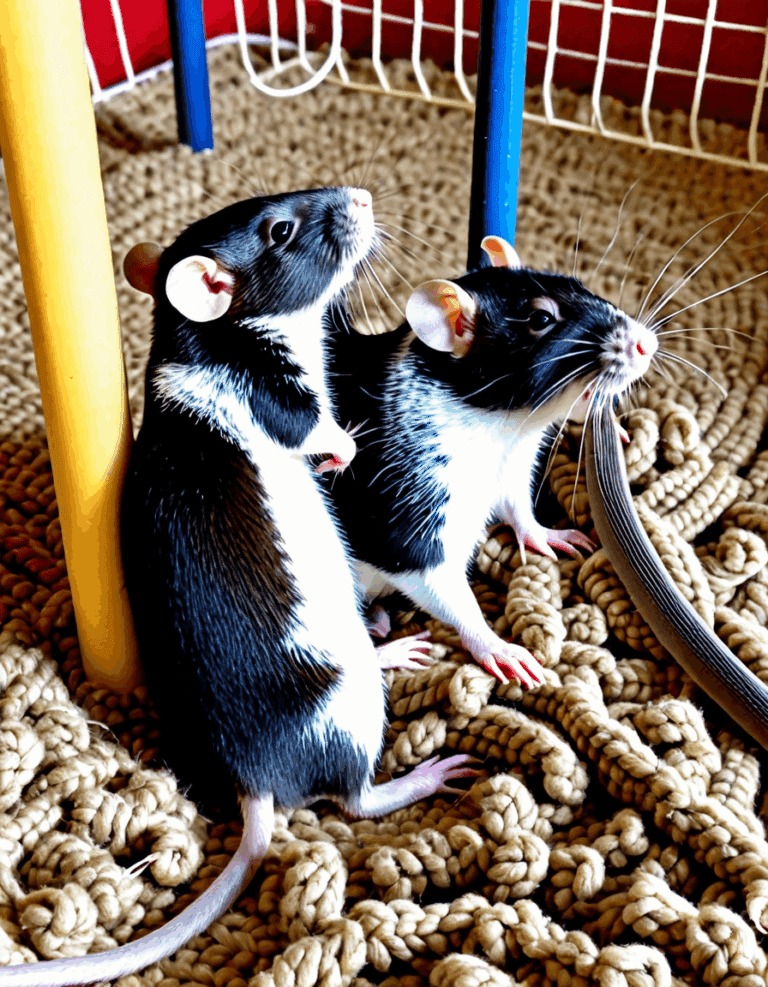
Body language is a big tell in rat interactions. When rats are engaged in play, they often show relaxed body language. Their bodies lean slightly forward, noses pointed toward each other, and their tails hang loosely.
On the flip side, if you see rats puffing up their bodies, arching their backs, or holding their tails stiffly, that’s a big red flag. These signs indicate discomfort or aggression, clearly showing that things have gone south.
Rats communicate a lot through sound. Playful rats often emit soft chirps or playful squeaks, which signal joy and excitement. If they’re really having a ball, these sounds can fill the air with joy.
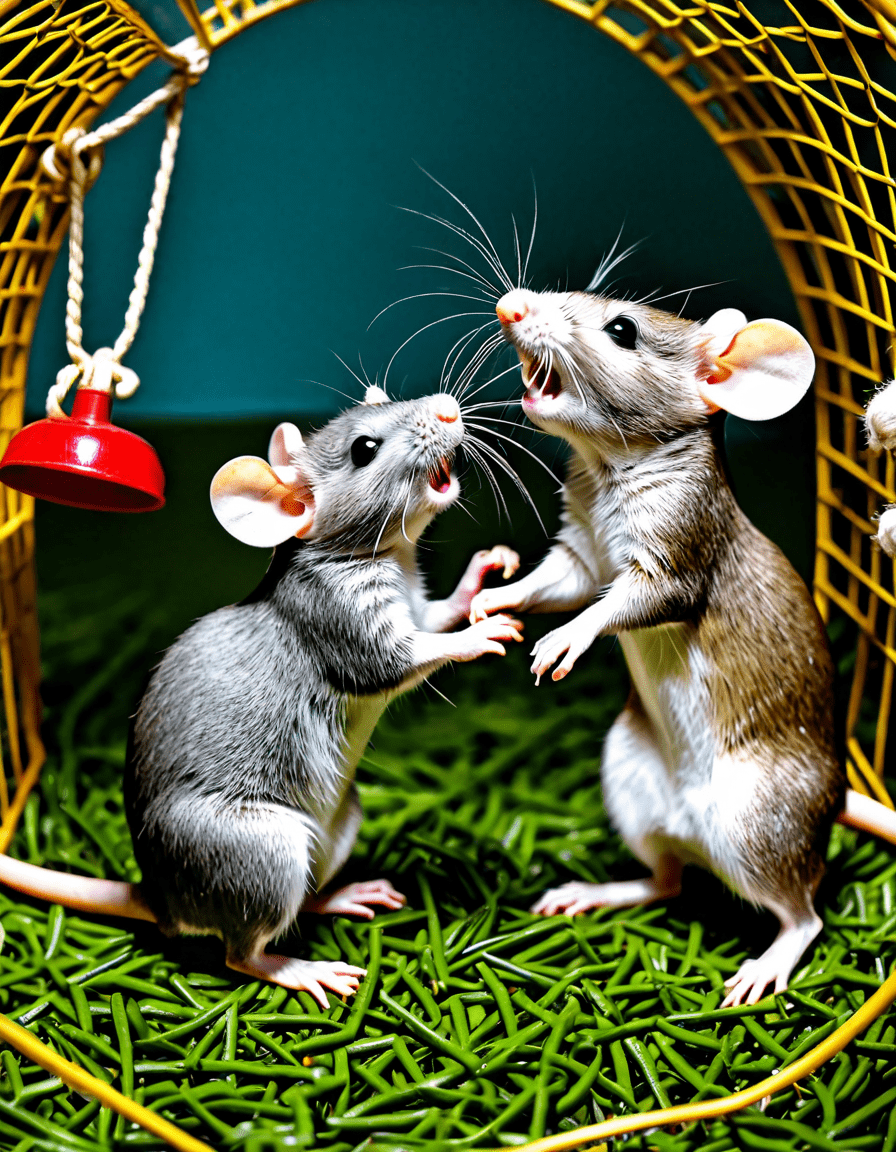
When it comes to fighting, though, the noise level cranks up. Keep an ear out for loud, harsh squeals or even hissing. These vocalizations typically announce distress or escalating conflicts, serving as clear signals that something’s wrong.
Playfulness in rats often takes the form of a chase. You’ll see them darting around, playfully evading each other, and tossing in some playful stopping and starting. It’s akin to children on a playground—full of energy and fun!
However, if a rat corners another without any friendly back-and-forth, watch out! This behavior can indicate an imminent fight, as one rat may be asserting dominance over the other.
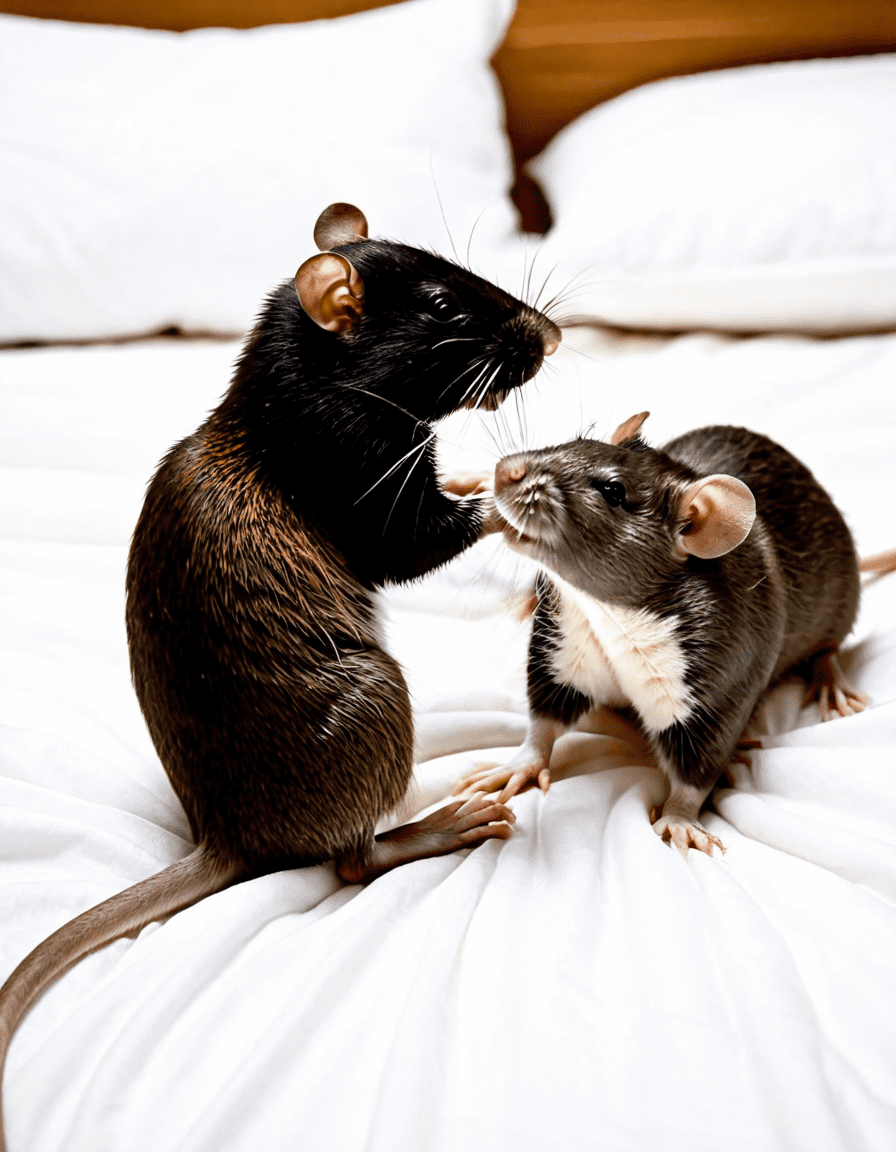
After a joyful play session, you might see rats grooming each other. This is a clear sign that they are bonding and showing affection. Grooming often follows fun interactions, cementing their relationship.
To contrast, if the interaction becomes aggressive, one rat might bite or attack the other, cutting off any chance of grooming. If you notice this disruption, it’s time to step in.
When rats play, you’ll find that the energy is lively and unstressed. No visible tension means they’re just having a great time together. Keep an eye on their postures; relaxed state signals fun, while tension suggests trouble.
In fighting scenarios, you might see raised fur, tense bodies, and rigid movements. These signs that they’re faced with an aggressive encounter should never be ignored.
Play sessions among rats often last longer than fights. The fun usually includes breaks where they catch their breath and can return to active play. It’s all about equal participation and mutual enjoyment.
Fights, however, are typically short-lived. There’s often a quick end, as one rat submits faster than you’d expect. If you notice swift departures, it’s high time to intervene.
Last but not least, look closely at what happens after the session. If the rats wrap up playtime, they’ll often separate and continue their activities without any fuss. This indicates that they’re comfortable and happy.
If you witness one rat hiding or retreating, plus signs of fear or injury, a fight likely just occurred. Don’t let these signs slide; it’s crucial to address any aggressive incidents quickly.
Strategies for Safe Rat Interactions
Understanding Other Animal Behaviors
While we’re focusing on rats, it’s helpful to tap into understanding cues in other pets. For example, if you’re wondering how can I tell how old a kitten is, keep an eye on their activity levels and development milestones. Younger kittens are typically more playful and less coordinated than older ones.
Likewise, if you’re mulling over how do you know if a cat likes you, behaviors like purring or kneading can indicate affection. The stronger the bond between pets and owners, the better the relationship.
On the dog front, it’s crucial to know how to tell if a dog has rabies. Look for unusual aggression, excessive drooling, and sudden changes in behavior. Keeping close tabs can keep both your pets and yourself safe.
The Bigger Picture
Recognizing the difference between play and fighting in rats is vital for providing a safe environment for your pets. By closely observing body language and vocalizations, creating safe spaces for retreat, and understanding broader animal interactions, you can ensure that your rats flourish. It’s not just about avoiding harm; it’s key to nurturing their emotional and social well-being.
With informed care, you enrich the lives of your furry friends. You’ll also take proactive steps in managing their health and happiness. So let’s keep those little critters safe and sound while they enjoy each other’s company!
And remember, just like knowing can Ducks eat Blueberries or can Dogs have pizza, knowing the ins and outs of your pets’ social behaviors allows for a life full of cherished, happy moments. Whether it’s a fun day out like riding the winter park lift or curling up at home, staying informed keeps your pets thriving and engaged.
How to Know if Rats Are Playing or Fighting
When it comes to our furry friends, rats have a unique way of expressing themselves, and knowing how to tell if they’re playing or fighting can be quite the task. For instance, play fighting often involves lots of chasing, light biting, and rapid movement, resembling a miniature wrestling match. The playful squeaks and gleeful pounces might remind you of a scene from a fun show like Below Deck sailing yacht, where personalities clash but ultimately enjoy each other’s company. In contrast, serious fights are marked by aggressive postures, intense squeaking, and the potential for more serious bites, just like how tension can escalate among housemates in reality TV.
The Playful Signs
Look for specific behaviors when you’re figuring out how to know if rats are playing or fighting. Playful rats often engage in some wild chases and might even roll over, inviting their pal for more fun. This can resemble how you might feel when you’re at a park in Winter Park, excited and full of energy. And hey, if your rats are grooming each other afterward, that’s a definite sign of friendship—kind of like how friends relax together after a day of spirited adventures.
Aggression Indicators
On the flip side, things can get dicey if you see aggression. If you notice tails raised high and body postures that seem tense, it could be trouble. It’s crucial to differentiate these signs to prevent any real hurt. Just like how some canines can safely munch on snooze-worthy seafood, such as shrimp, others might not play well with certain foods, often shown in their reactions. When rats bite hard and chase with determination, it’s time to intervene, ensuring that your little explorers keep their peace and safety intact in their shared habitats.
The Fun Factor
And here’s a quirky trivia nugget: did you know that rats share similar emotional traits with humans? They can exhibit empathy and even form friendships! This adds a layer of wonder to learning how to know if rats are playing or fighting, doesn’t it? So the next time you observe your little ones, remember that their playful antics mirror some complex emotional behaviors. It’s like the different tastes we all have—just like some dogs dream of a juicy steak while others might shy away from it. Keeping an eye on your pet’s interactions can lead to some fascinating insights about their personalities, much like how public figures, such as Brigitte Macron and Infanta Sofia Of Spain, carry their own unique stories and dynamics in their worlds. So, pay attention and enjoy observing these wonderful creatures while ensuring they have a safe and happy environment!