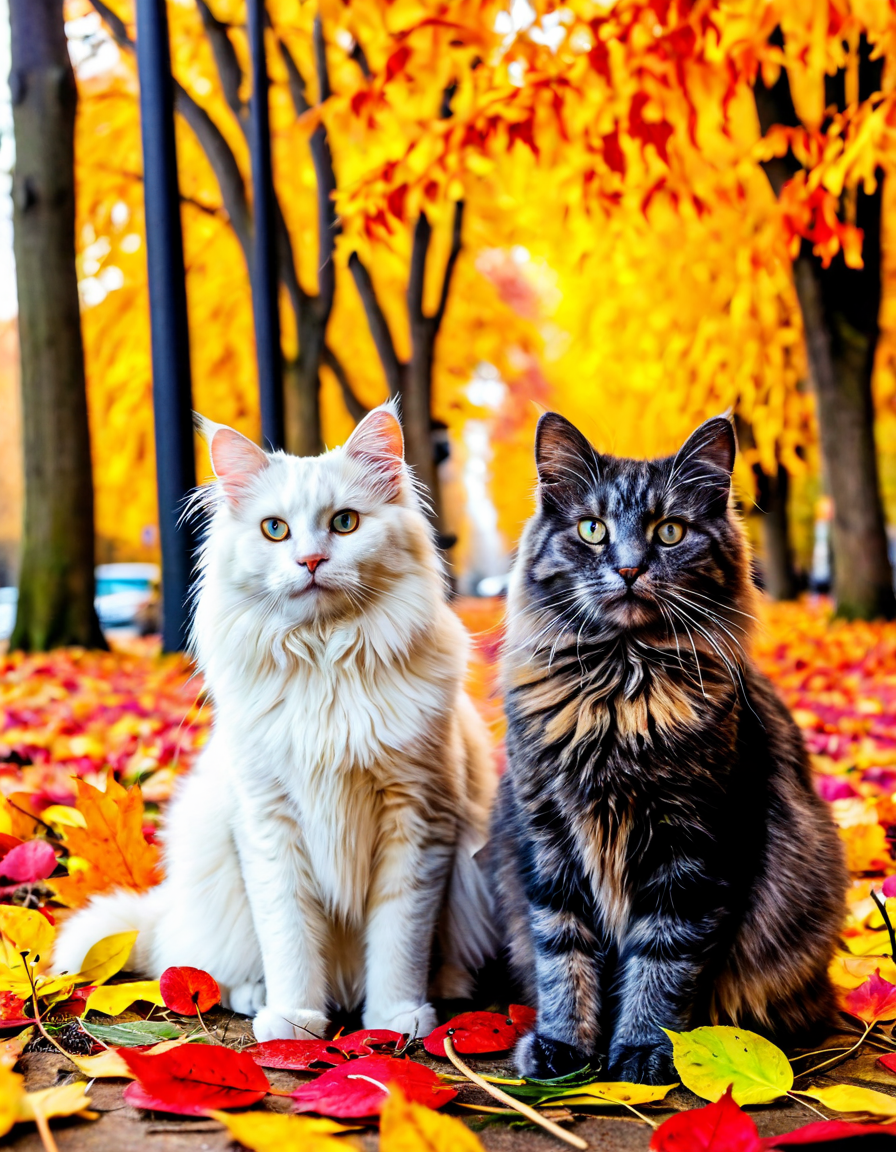
When it comes to our feline friends, there’s a whole lot more than meets the eye—especially when you ask the question, does temperature affect cat color? You might be surprised to find that the hues of your cat’s coat can change based on temperature fluctuations. Breeds like the Siamese and Himalayan are particularly known for their cool-to-warm color transformations. Let’s dive into how temperature influences what your cat looks like, and what it really means for their overall well-being!
1. Understanding Temperature-Dependent Color Change in Cats
The idea that temperature affects a cat’s coat color is pretty fascinating. Cats such as the Siamese and Himalayan have a special gene known as the Himalayan gene, which controls their pigments based on temperature. Think of it this way: cooler areas of their bodies, like the ears, paws, and tails, become darker, while the warmer parts remain lighter. So, why does this happen?
A Closer Look at Genetic Influences
When kittens first arrive in the world, they tend to be all white. As they mature, exposure to cooler temperatures causes the darker shades in their fur to develop. The Himalayan gene is sensitive to environmental conditions like temperature, ultimately determining the striking contrast you’ll notice. It’s essential to understand that not all cats react the same way, and temperatures can lead to permanent changes in coloring if a cat is frequently exposed to extreme heat or cold.
2. How Environmental Factors Affect Cat Color Variations
Seasonal and Climate Changes
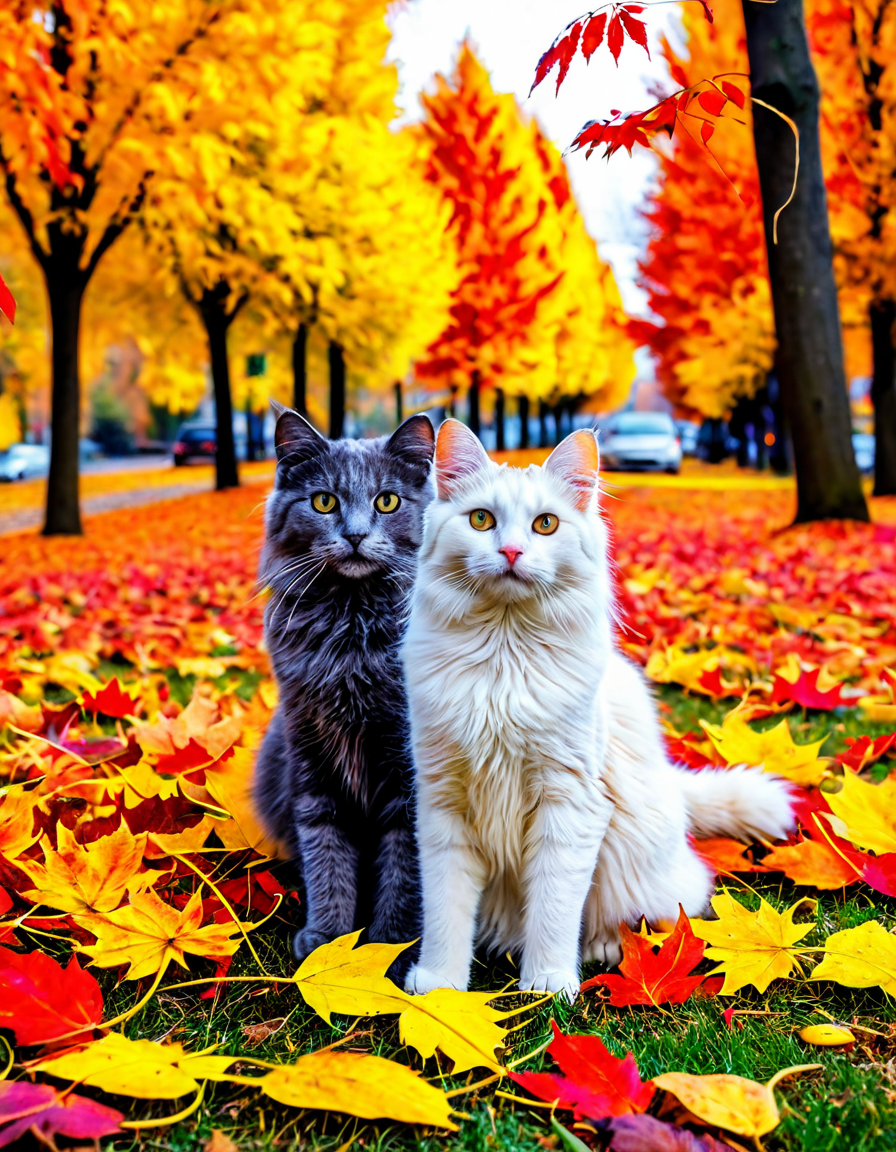
We often don’t realize the impact that seasons have on our pets, but those temperature shifts can create noticeable differences in coat color. As fall turns to winter, you may witness your cat’s darker tones coming to the forefront. By observing these changes, you can gain insight into your cat’s health and well-being. Always keep an eye on their coat when the seasons change; it can tell you more than you realize.
The Role of Light Exposure
Another factor to consider is how sunlight can affect your cat’s beautiful fur. Extended sun exposure can actually bleach the fur, leading to color changes over time. If your cat enjoys lounging in sunny spots, be mindful! Make sure to create shaded areas where they can relax without overdoing it. After all, a balanced sunbather is a happy cat.
3. Exploring the Science Behind Feline Color
Pigmentation and Temperature Interaction
Let’s break down how temperature and pigmentation can change a cat’s coat. Pigments in their hair, mainly produced by melanocytes, react to environmental stimuli such as temperature. When it gets cooler, these cells become more active, resulting in darker fur in specific areas. One recent study highlighted how fluctuations in temperature can lead to fascinating changes in color across various breeds. This relationship between temperature and pigmentation truly shapes a cat’s aesthetic appeal.
4. Real-Life Examples of Temperature Affecting Cat Color
Case Studies and Observations
5. What Problems Does Litter Induce for Cats with Sensitive Coats?
While temperature affects coat color, the environment can also influence your cat’s health. Certain types of litter can lead to skin irritation, especially for those with delicate coat colors. It’s essential to choose a litter that doesn’t exacerbate coat conditions. Look for brands that are free from harsh chemicals and fragrances that could possibly lead to health issues. Opting for natural or hypoallergenic options could be beneficial for cats sensitive to environmental changes.
6. Behavior Insights: When Do Cats Start Spraying?
Interestingly, the emotional and behavioral aspects of cats can also be linked to environmental conditions. Owners often wonder, when do cats start spraying? While temperature fluctuations may not directly cause this behavior, they contribute to stress; this stress can trigger spraying. If you observe changes in your cat’s behavior alongside shifts in their coat color, it may be time to consult a vet for advice.
7. Health Considerations for Temperature-Sensitive Cats
Caring for Uniquely Colored Cats Post-Surgery
For temperature-sensitive cats, environmental factors can significantly influence recovery, especially after surgeries such as CCL (Cranial Cruciate Ligament) surgery. So how long should dogs rest after CCL surgery also applies indirectly here. Keeping these cats in a temperature-stable environment during recovery is crucial for their well-being.
Exploring Male Cats’ Anatomy: Do Male Cats Have a G Spot?
Discussing feline health, especially in male cats, raises intriguing questions like do male cats have a G spot? Emerging studies suggest that temperature can be a factor in male reproductive behaviors. The impact of coat color and its correlation with temperature sensitivity could yield new insights into feline care and behavior.
Embracing Your Cat’s Unique Color Journey
Understanding how does temperature affect cat color not only highlights the beauty of our four-legged companions but also emphasizes the importance of tailored care. As cat owners, being aware of temperature changes enables us to support our furry friends better. By monitoring changes and adjusting their environments, we contribute to their health and happiness. An informed pet parent makes for a happy cat and a colorful life!
So next time you notice your cat’s coat shifting hues with the seasons, take a moment to appreciate that you’re witnessing the complex interplay of genetics, environment, and nurturing. After all, our furry friends deserve the best in every colorful aspect of their lives!
Does Temperature Affect Cat Color in Fascinating Ways?
The Genetics Behind Cat Color
Does temperature affect cat color? You bet it does! The link between temperature and fur coloration can often be attributed to genetics, particularly in breeds like the Siamese. These felines possess a gene that prompts darker fur on their cooler extremities, such as their ears, paws, and tails, while the warmer parts of their bodies tend to be lighter. Fascinatingly, this genetic twist resembles the situation with certain characters like American Dragon jake long, reminding us that nature has mysterious ways of showcasing color.
The Role of Environment
When temperatures fluctuate, so can the color of our furry companions. For instance, a cat might start to show more vibrancy or darker hues based on the season or ambient temperature. It’s a biological adaptation that’s quite impressive! It also brings to mind how certain environments, like Maricopa County, Arizona, influence local wildlife and pet behaviors. In a hotter climate, you might notice more cats adopting a lighter color as a form of natural camouflage to avoid overheating. Who knew that heat could influence not just our pets’ comfort but their appearance too?
Fun Trivia: More Than Just Color
Beyond color changes, there’s a heap of trivia that could tickle any cat lover’s fancy. Did you know that just like cats, other pets can also have bizarre dietary needs? For example, some might wonder, can bearded Dragons eat celery? You’d be surprised how diverse the animal kingdom can be! And let’s not forget to keep our furry friends healthy; if you’re dealing with pesky fleas, a quick search for flea bath For Cats near me can save the day! Always remember, whether it’s the rich hues of a temperature-sensitive kitty or the health of your pets, the right information is crucial. So, does temperature affect cat color? It sure does—just like how oatmeal can impact gastrointestinal health.