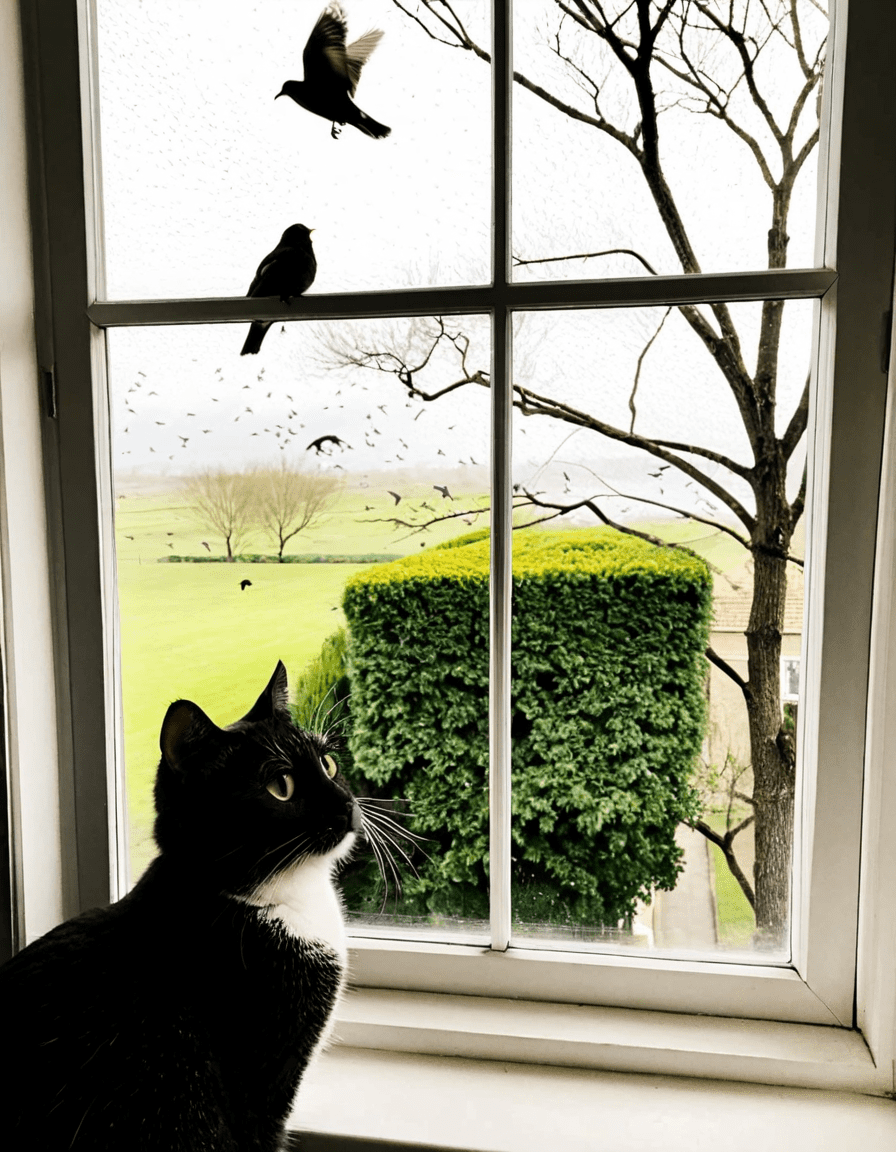
Purring is one of the most distinctive sounds cats make, often leading their owners to wonder why does my cat purr so loud. This delightful rumble can sometimes be surprisingly loud and varied, making it a curious behavior to decode. In this article, we dive into the reasons behind your cat’s boisterous purring, exploring its meanings while aiming to strengthen the bond you share with your feline friends.
Top 5 Reasons Your Cat Purrs Loudly
1. Contentment and Relaxation
When cats feel happy and relaxed, they’re likely to purr loudly. Imagine your furry buddy curling up beside you on the couch while you’re watching your favorite show, or sunbathing in a warm patch of sunlight—this loud purr is a loving reminder of their gratitude. It’s their way of saying, “Hey, I’m happy to be right here!” Cats often purr when they’re in their safe zones, like nestled in your lap or sitting in their favorite spot at home.
2. Communication with Humans
Cats have honed their ability to purr as a form of communication with us humans. According to Dr. John Bradshaw from the University of Bristol, cats often adjust their purring frequency to get a better response from their owners. We all know that the higher-pitched sound can be hard to resist, triggering a nurturing instinct similar to how people instinctively respond to a baby’s cry. So, when your cat gives you that loud purr, they might just be asking for some love and attention!
3. Healing Mechanism
Believe it or not, purring has actual health benefits. Studies reveal that purring—especially at frequencies between 25 and 150 Hertz—can promote healing. These vibrations may stimulate repair in bones and tissues. If your cat is purring loudly after an injury or during recovery, they might be instinctively harnessing the power of their purr to aid in healing. It’s fascinating to envision this natural response as your cat’s way of helping itself feel better.
4. Stress or Discomfort Management
Interestingly, a loud purr isn’t always a sign of contentment. Cats can also purr when they’re stressed or uncomfortable. Take a trip to the vet, for instance. Your little buddy might be feeling quite anxious, and that loud purring can serve as a self-soothing mechanism. If you notice that your cat is purring loudly in combination with other behaviors, like hiding or twitching in their sleep, it may indicate they’re navigating some emotional turmoil.
5. Seeking Attention or Affection
Cats are clever communicators! Loud purring can also be a direct plea for attention. If your feline friend walks up to you, purring like a little engine, they could be signaling that they want to play, be petted, or maybe even receive some treats. Their loud purr can act as an audible radar, ensuring you know they’re looking for some quality time together.

What Does It Mean When My Cat Doesn’t Purr?
While a loud purr usually denotes a happy cat, some felines might be quieter or even cease to purr altogether. Understanding why doesn’t my cat purr can provide crucial insights into their well-being. Different factors could be at play:
Why Does My Cat Twitch in Her Sleep?
Watching your cat twitch during sleep can be both entertaining and confusing. It often coincides with that loud purring. This behavior typically indicates that your cat is dreaming or in a deep sleep state, much like humans experience during REM sleep—when dreams are most vivid. Just as we process memories in our dreams, your cat’s brain does the same, using that loud purring to convey their contentment and comfort during their adventures in dreamland.
Understanding Dog Behavior: Why is My Dog Cranky Some Mornings?
Understanding your pet doesn’t stop with cats. If you’ve ever wondered why is my dog cranky some mornings, you’re not alone! Dogs can exhibit crankiness due to various factors, from disrupted sleep patterns to hunger or even shifts in their routine. For instance, breeds like the Bully Pitt often showcase unique sleeping habits influenced by their energy levels during the day. Pay attention to your dog’s habits to help ease those moody mornings.
Why Does My Dog Nibble on Me?
Have you noticed your dog nibbling on you? This behavior can stem from several emotional signals. Generally, it shows affection, similar to a cat’s purr. However, your pooch may also nibble to prompt you for attention or engage you in play. Dogs often nibble during moments when they feel particularly affectionate or want your company, making it a playful invitation to join in on some fun!
The Sound of Contentment: Embracing Your Cat’s Unique Purr
Cats have a remarkable way of expressing their feelings, often through their soothing yet sometimes loud purring. Whether it signifies contentment, stress relief, or a call for interaction, understanding these nuances will undoubtedly strengthen your bond with your feline friend. By monitoring your cat’s overall behavior and remaining mindful of any changes, you can provide the support and comfort they need to live their best lives.
As you continue to learn about their sounds and actions, the joy you derive from your relationship will deepen—reflecting not just in playful nudges but also through the lovely resonance of their loud purr.
Now, when you hear your cat’s surprisingly loud purr, you can appreciate all the meanings it holds behind that tender sound.
Why Does My Cat Purr So Loud?
Ah, the soothing sound of a loud purr! Cat lovers often wonder why their furry friends make such intriguing noises. While many people associate purring with contentment, there’s much more bubbling beneath the surface. For instance, did you know that cats can also purr when they’re anxious or in pain? It’s their way of self-soothing, much like how some humans might whip up some breakfast ideas with eggs or go for a jog to chill out. This duality makes us ponder, “why does my cat purr so loud?”
Understanding the Purr
When a cat’s purr is particularly loud, it can indicate they’re feeling extra comfortable or secure. Interestingly, cats have been known to increase their purring volumes when trying to get attention or show affection, reminiscent of how dogs might respond when you wonder why does my dog twitch in her sleep. After all, communication takes many forms in the animal kingdom! So, the next time your kitty starts up that calming motor, try to observe the context. Is it cozy cuddle time, or did they just spot that tantalizing treat that you keep hidden?
Fun Trivia: Beyond the Purr
Speaking of communication, did you know cats can produce over 100 different sounds? Now that’s some impressive vocal range—almost akin to a music star like Vince Gill! While a purring cat is often a happy cat, it’s essential to recognize that excessive purring could signal unease. Sometimes it’s wise to investigate further if you notice changes in your cat’s behavior. It’s much like understanding if a dish is safe to share when asking can cats eat raw or cooked hamburger meat. Just as you’d double-check that food is safe, keeping an ear out for changes in purring can help maintain your feline’s well-being.
Ultimately, whether your cat is purring loudly out of happiness or other reasons, it reminds us how vital it is to tune into our pets’ needs. Just like staying in shape with some easy hip flexor stretches can benefit humans, being aware of our cats can lead to a more harmonious pet-owner relationship. You might even find that paying attention to your cat’s purring prompts all sorts of delightful discoveries about their personality! So, the next time you ponder “why does my cat purr so loud,” remember there’s always a story behind that soothing rumble.