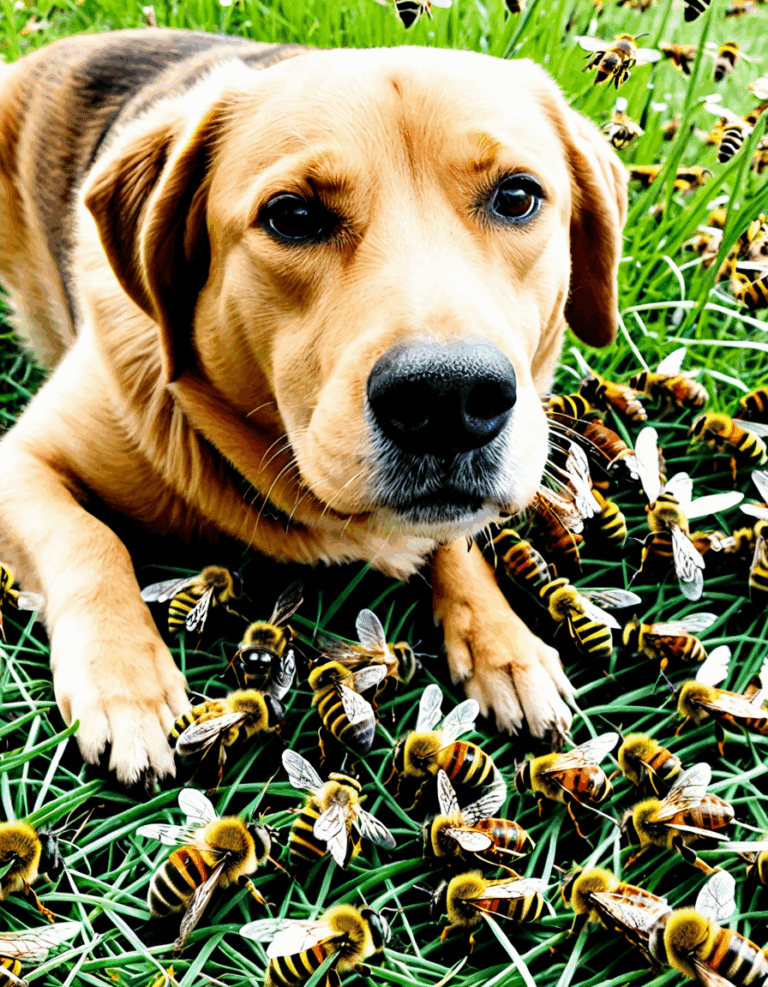
Encountering a situation where your dog ate a bee can be alarming. It’s one of those odd moments that makes you wonder what in the world just happened! While this may seem bizarre, it’s crucial to understand what happens when dogs ingest insects, particularly bees. Let’s break down the implications of this incident, as well as what you should do if this ever occurs.
The Unusual Situation: Dog Ate Bee and Its Implications
When your dog ate a bee, a few things could unfold. The first thing to consider is how your dog’s body will handle that little insect. Digestive reactions can range from minor to significant issues. Generally, dogs have resilient stomachs; quite the iron stomachs, to be honest! In many cases, your pup might experience some nausea or vomiting shortly after the incident, but nothing too severe.
Another concern arises regarding toxin reactions. If the bee stings your dog while being eaten, the venom can lead to localized swelling. This reaction depends on the dog’s sensitivity to bee venom. Some dogs are more susceptible than others. It’s essential to monitor your furry friend closely, especially after a bee has been ingested.
Last but not least, there’s the dreaded allergic reaction. Some dogs have allergies to bee stings, and this could escalate the situation significantly. Watch for signs such as swelling of the face or difficulty breathing. In extreme cases, this could lead to anaphylaxis, a life-threatening reaction that requires immediate veterinary care. So, if your dog ate a bee, your vigilance is key.
Symptoms You Should Monitor
If your dog eats a bee, being observant is vital. While not all pups need immediate medical assistance, there are certain symptoms you should keep an eye out for.
First, take note if there’s swelling in the mouth. If you notice any swelling or redness, it might indicate the bee stung them while being chewed. This could require immediate vet attention. Another concerning sign is the presence of bubbles in the dog’s mouth. This could signify irritation or an allergic reaction. It’s time to act fast if you spot those bubbles!
Lastly, lethargy or excessive barking could indicate your dog is in distress. Your once joyful and playful companion might become a lot quieter or show unusual behavior. These behaviors are often red flags that something isn’t right. So, if your furry friend is suddenly acting uncharacteristically, it’s worth investigating!
How to Help Your Canine Companion
If your dog ate a bee, it’s essential to know how to help them promptly. First and foremost, stay calm. Your demeanor can influence how your dog reacts. If you panic, your dog might sense your anxiety and become increasingly stressed.
Next, check their mouth. Use a flashlight to look inside for any signs of swelling or a stinger. If you spot a stinger, carefully remove it with tweezers. Avoid squeezing the venom sac. If you don’t feel comfortable doing this, don’t hesitate to rush them to the vet for proper care.
Finally, monitor their behavior closely. Keep track of any changes, especially if your dog starts showing signs of discomfort or distress. This involves being aware of their usual habits, such as eating or drinking. If they seem off for more than a few hours, giving your veterinarian a call is a smart move. Your dog, after all, is your heart dog!

Preventive Measures: Keeping Your Dog Safe from Buzzing Trouble
While knowing how to handle a bee incident is useful, prevention is even better! Consider these tips to help avoid your dog eating a bee in the first place.
First off, supervise outdoor play. Keeping an eye on your pup while they roam free can help deter them from chasing or eating insects. Even the most curious of dogs can be taught the boundaries of what’s safe and what’s not.
Secondly, maintain a bee-friendly environment. Be careful with your garden. Plant flowers that benefit pollinators in a designated area, away from your dog’s play area. This way, your pup can have plenty of fun without worrying about these buzzing creatures!
Lastly, consider training techniques to promote safe behavior. Teaching your dog basic commands like “leave it” can go a long way in keeping them from munching on unexpected snacks. Using reward-based training techniques will engage your dog and help them understand what’s off-limits, like buzzing insects.
When to Consult a Veterinarian
Recognizing when to consult a veterinarian is crucial if your dog exhibits any symptoms after eating a bee. Don’t hesitate if they show signs of swallowing a stinger or display allergic reactions. Quick veterinary attention can prevent more serious complications down the line.
Your vet can perform an examination and recommend the appropriate course of action. This could be administering medications or simply monitoring your dog for a few hours. Remember, it’s always better to be safe than sorry when your dog’s health is at stake. Keeping your canine companion safe and healthy is what it’s all about!
Common Lionization: Dogs Eating Non-Food Items
Interestingly, bizarre eating behaviors aren’t limited just to bees! Many dog owners encounter similar episodes when their pups munch on other intriguing items. For instance, dogs have been known to eat gum—which can be particularly dangerous due to xylitol—a toxin found in sugar-free gum. It’s something to watch out for!
Additionally, many dogs seem to have an affinity for chewing odd items, including wrinkled plastic. If ingested, this can lead to gastrointestinal distress, making it vital to keep an eye on what your dog is getting into. Always be ready to step in!
Beyond Buzz: The Role of Veterinary Help and Comprehensive Care
While the image of your dog chasing a bee certainly evokes laughter, the potential health implications make it a scenario worth taking seriously. By understanding how to react and what preventive measures to take, you can help ensure your four-legged friend stays healthy and happy.
Monitoring their behavior and being aware of when to consult a veterinarian empowers you as a responsible pet owner. Continuous education about potential hazards, like when your dog ate a bee, plays a crucial role in pet care. Always prioritize your dog’s well-being, and remember, their safety is truly in your hands!
Dog Ate Bee: Bizarre But Fascinating Facts
Buzzing Through Doggie Behavior
Did you know that dogs can be quite the curious creatures? When a dog ate bee, it leads to an interesting situation. These furry friends often explore their environment with their mouths, tasting anything from crunchy sticks to the occasional buzzing insect. While most dog owners might think their pets are just being naughty, this behavior can often relate to the way dog stomach Enzymes break down different substances. In fact, these enzymes are designed to handle a wide variety of foods, which could explain why Fido thinks a bee is as tasty as a treat! If you’re wondering how your pup’s stomach processes such unusual snacks, this information can shed light on their digestion.
A Tail of Curiosity and Caution
Now, while it could seem fascinating to witness, indulging in something like a bee might not come without its risks. For example, if your dog consumes a bee, it might inadvertently encounter a sting, leading to allergic reactions. Smaller breeds, like a whippet chihuahua mix, can be particularly sensitive. Their reactions can vary from swelling to more severe symptoms, so it’s crucial to keep an eye on them after such bizarre eating ventures. And though most adult sensitive stomach cases are more tolerant, bee stings are a whole different ball game!
Trivia That’ll Make You Go “Wow!”
Here’s a fun fact: bees play an essential role in our ecosystem, much like your dog plays a vital part in your life! Just as it’s essential to appreciate the traits of unique breeds like the pug chihuahua mix Dogs, understanding the importance of bees can enhance our appreciation of nature. Plus, did you know that some risk factors associated with unusual behaviors, such as Chroming, can invoke concerns for pet safety? So, if your dog ate bee and seems a bit off afterward, your vigilance can make all the difference. Lastly, pondering quirky situations like this is just like debating stats from a Miami Marlins vs Dodgers match—it’s all about analysis, curiosity, and enjoying the unexpected!