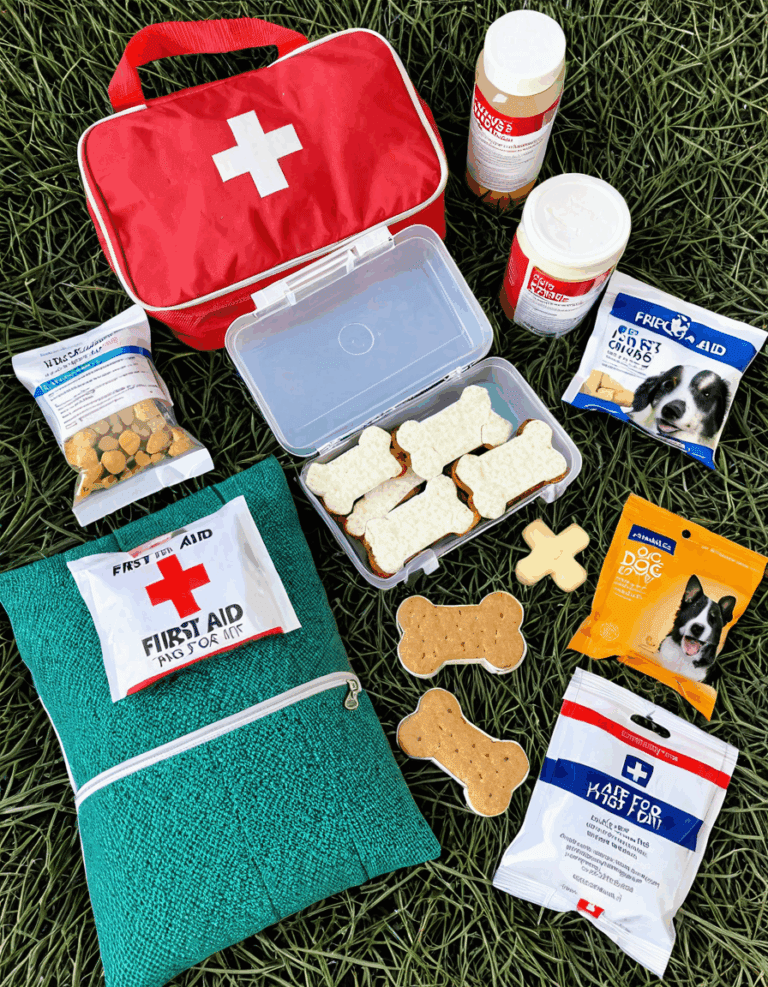
When your dog suffers from a cut, scrape, or other wounds, the way you respond is crucial. Proper care for dog wounds helps prevent infection and ensures a smoother healing process. Many pet owners feel overwhelmed in situations like this, but don’t fret! This guide lays out essential tips to help you care for your dog’s wounds effectively, making it easier for you and your furry friend to get through this tough time.
1. Top 7 Essential Tips to Care for Dog Wounds
Caring for dog wounds can be straightforward when you know what to do. Follow these seven essential tips to help your pup recover quickly and safely.
1. Keep the Wound Clean and Dry
Your first step in providing care for dog wounds is keeping the area clean. Use a saline solution or a gentle pet-safe antiseptic like Vet’s Best Antiseptic Spray to remove dirt and debris. Hydrogen peroxide? It’s best to steer clear of that, as it can harm healthy tissue and delay healing. A clean wound is a happy wound.
2. Dress the Wound with Safe Materials
Once the wound is clean, protect it with non-stick bandages or gauze. Options like Mefix or VetRap work well. Make sure the dressing isn’t too tight, as it can constrict blood flow. Remember to check the dressing regularly, replacing it if it becomes wet or soiled. This step is key in safeguarding against further injury and promoting recovery.
3. Use Glues Safe for Pets Who Chew
Does your dog have a habit of licking or chewing their wounds? If so, you may want to consider employing non-toxic surgical adhesives like Nexaband. These will keep the edges of minor lacerations together as your pup heals. It’s a practical solution that can help avoid complications during recovery.
4. Monitor for Signs of Infection
A watchful eye is vital. Be on the lookout for redness, swelling, or discharge around the wound. If you spot any signs of infection, consult your veterinarian immediately. Sometimes, you may need antibiotics for dogs without vet prescriptions to tackle mild infections without the hassle of a clinic visit.
5. Provide Pain Relief and Care
Your dog might be feeling sore, so consider using over-the-counter pain relief specifically made for pets. Non-steroidal anti-inflammatory drugs (NSAIDs) like Rimadyl are effective options to help ease discomfort. Pain management can significantly enhance your dog’s quality of life while healing.
6. Offer Comfort and Calm
Healing can be stressful for pets, especially if they are anxious. Items like Thundershirts can help your dog feel secure during noisy events. Providing comfort can prevent your pup from further irritating their wound, allowing for a smoother recovery.
7. Choose the Right Supplements
As your dog mends, consider incorporating good nutrition into their regimen. A probiotic for dogs under $35, like PetHonesty Probiotics, can support your dog’s gut health. Proper digestion is crucial during recovery, allowing for a stronger immune system to fend off any potential infections.
2. The Importance of Preventive Care in Wound Management
Even the best care for dog wounds can’t substitute for prevention. Taking steps to reduce the risk of injuries can drastically improve your dog’s overall safety and well-being.
Expert Insights on Flea Control
Many owners have begun utilizing products like NexGard or Frontline that can be bought without a prescription, helping maintain your dog’s comfort all year round. Keeping flea infestations at bay can significantly lessen the risk of your dog getting injured from scratching.
3. What to Avoid When Caring for Dog Wounds
While providing care for dog wounds may seem straightforward, plenty of pitfalls exist. Avoid these common mistakes to ensure a smooth recovery for your furry friend.

4. Innovative Solutions for Wound Management
Thanks to advancements in veterinary healthcare, options for caring for dog wounds are becoming more dynamic and supportive.
Unique Products Making Waves
Leveraging Telehealth Services
Telehealth services have become increasingly popular, offering quick advice for pet emergencies without needing in-person visits. Some even demonstrate first-aid techniques through video calls, empowering you to act confidently when your dog needs immediate care.
Final Thoughts: Empowering Pet Owners in Wound Care
Caring for dog wounds encompasses more than treating injuries; it’s about prevention as well. Staying proactive with preventive measures can enhance your dog’s quality of life. By being informed about the right practices, products, and treatments available, you’ll be better equipped to help your dog heal securely and effectively. Your pet’s well-being is paramount, so remember: the better prepared you are, the faster your furry friend will bounce back to their playful self.
Remember, knowledge and preparation can make all the difference, especially when it comes to the well-being of your beloved canine companion. Let’s keep our dogs safe, healthy, and happy!
Care for Dog Wounds: Fun Trivia and Interesting Facts
The Art of Healing
Caring for dog wounds goes beyond just cleaning and bandaging. Did you know that putting a little lavender can help? However, pet owners with feline friends should always ask, Is lavender oil safe For Cats? Dogs often respond well to natural products, which many owners don’t realize. A little extra care in selecting the right items can make all the difference in your furry friend’s healing journey.
Understanding Odd Wounds
Sometimes, your pup might end up with an unusual injury, like a scrape from rough play or even a nip from another animal. For instance, horse-related incidents might surprise you; a horse kick can cause severe damage if a dog isn’t careful. Understanding the nature of dog wounds also extends to their digestion – after all, soft stool can indicate dietary issues that might come up during their recovery. Keeping an eye on everything from cuts to stool consistency can provide insights into their overall health.
Fun Facts to Keep You Engaged
When considering care for dog wounds, some fascinating insights can really catch your attention. For example, when it comes to applying first aid at home, have you ever thought about using products like aloe vera? This plant is popular, but before you share it with your kitty, make sure you check if Is aloe Vera safe For Cats is a green light. Though they might not have the same penchant for scrapes and scratches as dogs, cats can certainly benefit from holistic approaches.
And let’s not forget that some people, like Kris Murrell, often share their pet care experiences in forums, allowing pet owners to learn and exchange tips. The landscape of pet care is changing rapidly, and it seems that the more we share, the better we can care for our four-legged companions!