When pet owners hear the alarming phrase, “dog ate a chicken bone,” panic can quickly set in. Chicken bones, cooked or raw, can pose serious health hazards for dogs. Knowing how to respond is essential for your furry friend’s safety. In this article, we’ll explore the risks, symptoms, immediate actions to take, and future preventive tips. Let’s dive into everything you need to know right now!
1. Understanding the Risks: Why Chicken Bones Are Dangerous
Chicken bones present unique dangers due to their structure. Cooked bones can splinter easily, creating sharp fragments that may puncture the gastrointestinal tract. If your dog ingested chicken bones, this can lead to serious injuries like internal bleeding or even perforation of vital organs. Moreover, there’s a choking hazard—sharp bone edges could lodge in your pup’s throat, causing suffocation.
Raw chicken bones might seem less harmful, but they’re not without risks. They can carry bacteria like Salmonella or Campylobacter, which could make your dog sick. Awareness of these dangers can help you act swiftly and wisely if your dog eats chicken bones.
2. Symptoms to Watch For After Your Dog Ingests Chicken Bones
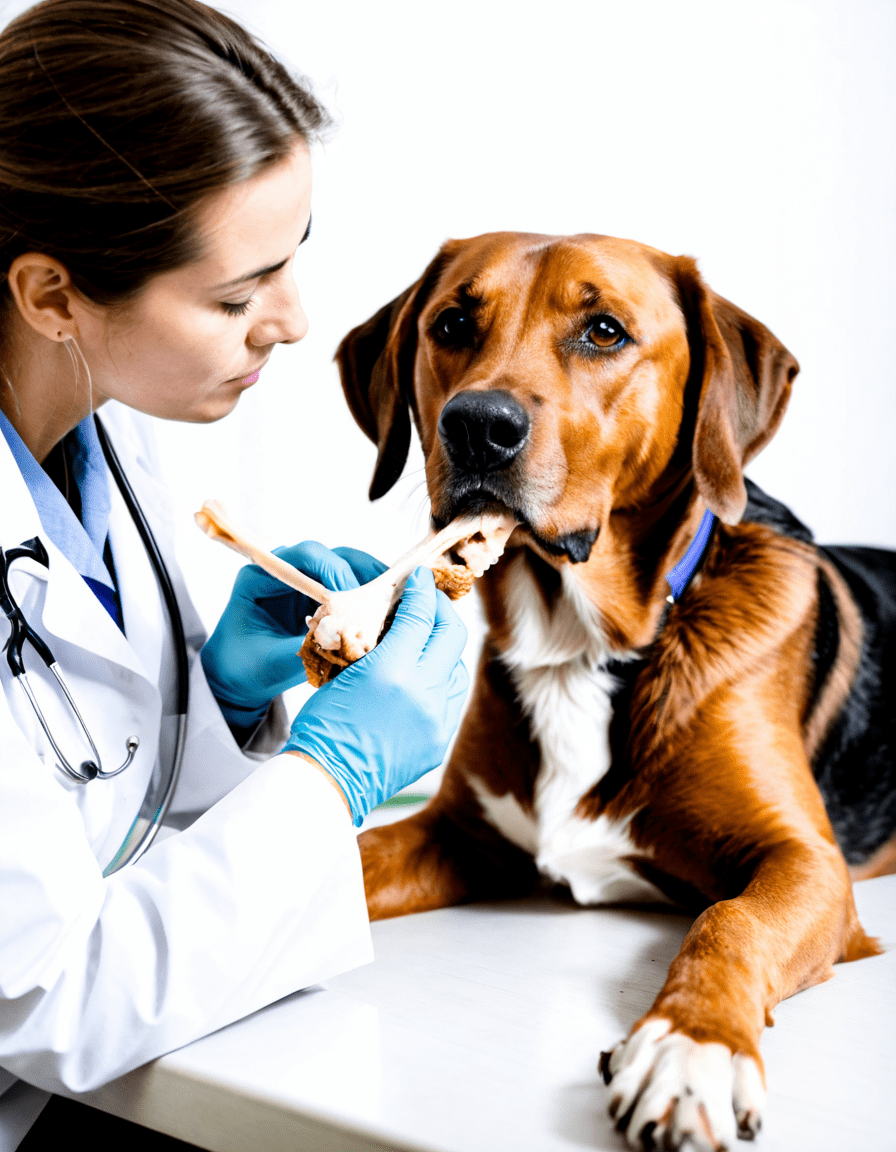
After your dog ingests chicken bones, it’s vital to monitor them for signs of distress. Keep an eye out for symptoms like:
If you notice any of these symptoms, your dog needs veterinary attention urgently. Even if they seem unaffected, it’s a smart move to consult a professional.
3. Immediate Actions: What You Should Do If Your Dog Ate Chicken Bones
If your dog ate chicken bones, here’s a straightforward game plan to follow:
4. Can Chicken Bones Lead to Seizures in Dogs?
It’s rarely discussed, but sometimes, the ingestion of chicken bones could indirectly lead to health complications like seizures. If your dog ate chicken bones along with toxic substances—like chocolate chip cookies (which are harmful to dogs) or even seizure medications—it heightens the risk. The combination can create complicated health challenges that require professional intervention. Knowing the effects of multiple ingestions is vital for ensuring your dog’s safety.
5. Alternatives: What to Feed Your Dog Instead of Bones
If your dog enjoys gnawing on bones, there are safer options that can fulfill their chewing instinct without the associated risks. Consider these alternatives:
Utilizing these alternatives can keep your dog engaged and satisfied without putting their health at risk.
6. Comparing Pet Food Brands Regarding Digestive Health
Choosing the right dog food is essential for maintaining good digestive health. Brands like Hill’s Science Diet and Royal Canin create targeted formulas that promote optimal gastrointestinal function. Look for foods high in fiber, as they can aid digestion and help mitigate issues following ingestion of harmful items, like chicken bones. Prebiotic ingredients can also support healthy gut bacteria, leading to overall well-being.
7. Preventing Future Incidents: Training Tips for Dog Owners
Training your dog to steer clear of human food and unsafe snacks can be life-saving. Effective strategies include:
By investing time in proper training, you can significantly reduce the chances of your dog eating chicken bones—or any unwanted items—again.
Navigating the Aftermath of Your Dog Eating Chicken Bones
If your dog ate a chicken bone, staying calm and informed is key. By keeping an eye on symptoms, seeking veterinary advice quickly, and choosing preventative measures, you can protect your pet’s overall health. Always be vigilant about what your dog consumes. With the right approach to food and training, you can keep your furry friend happy, healthy, and bone-free. For more information on caring for your pets, you can check out articles about related topics like Whether head Lice can affect Dogs or what to give your dog for constipation.
By staying informed, you’ll be better equipped to handle any emergencies that arise, ensuring your pooch remains a cherished member of your family.
Dog Ate a Chicken Bone: What You Need to Know Now
The Risks of Dogs and Chicken Bones
So, you’ve found yourself in a bit of a pickle: your dog ate a chicken bone. This is more common than you’d think. Many folks wonder, “What should I do now?” First off, it’s essential to understand that chicken bones can splinter easily, posing a real risk to your pup’s digestive system. You wouldn’t toss a dumbbell at your dog, so you wouldn’t want to risk their health with something seemingly harmless, right? Fun fact: about 30% of dog owners have faced a similar situation at some point, so you’re not alone! And speaking of dog mischief, did you ever wonder why dogs seem drawn to hair gel for men? They love the smell of anything that seems off-limits!
What Happens Next?
If your dog’s just snacked on some chicken bones, keep an eye on them. It’s crucial to know the signs of distress. A dog’s body doesn’t handle sharp splinters like ours can. They could end up with a sore stomach or worse. In fact, if you’re curious about their adventurous taste buds, check out what happens when a dog eats weed! You’ll learn that not all “treats” are safe. If your pup shows any signs of discomfort, it’s better to err on the side of caution and consult your vet. You know, the one who probably has a million stories of Which Of The following unfortunate events!
Keeping Your Dog Safe
Wondering how to prevent your dog from gobbling up chicken bones in the future? Consider proper disposal methods or, better yet, training! You might be surprised to discover that bone-related accidents can be avoided with just a bit of effort. Did you ever think about how a stray cat picks their human and what that says spiritually? Understanding your pets, whether dogs or cats, can pave the way for a happy household. Now, if you’re worried about things like The firm of your dog’s health, just remember: knowledge is power.
In summary, if your dog ate a chicken bone, don’t panic! Observe their behavior, contact your vet if necessary, and protect your pup from such mishaps in the future. The most surprising part? Even as the risks loom, countless furry friends still find ways to make us smile!