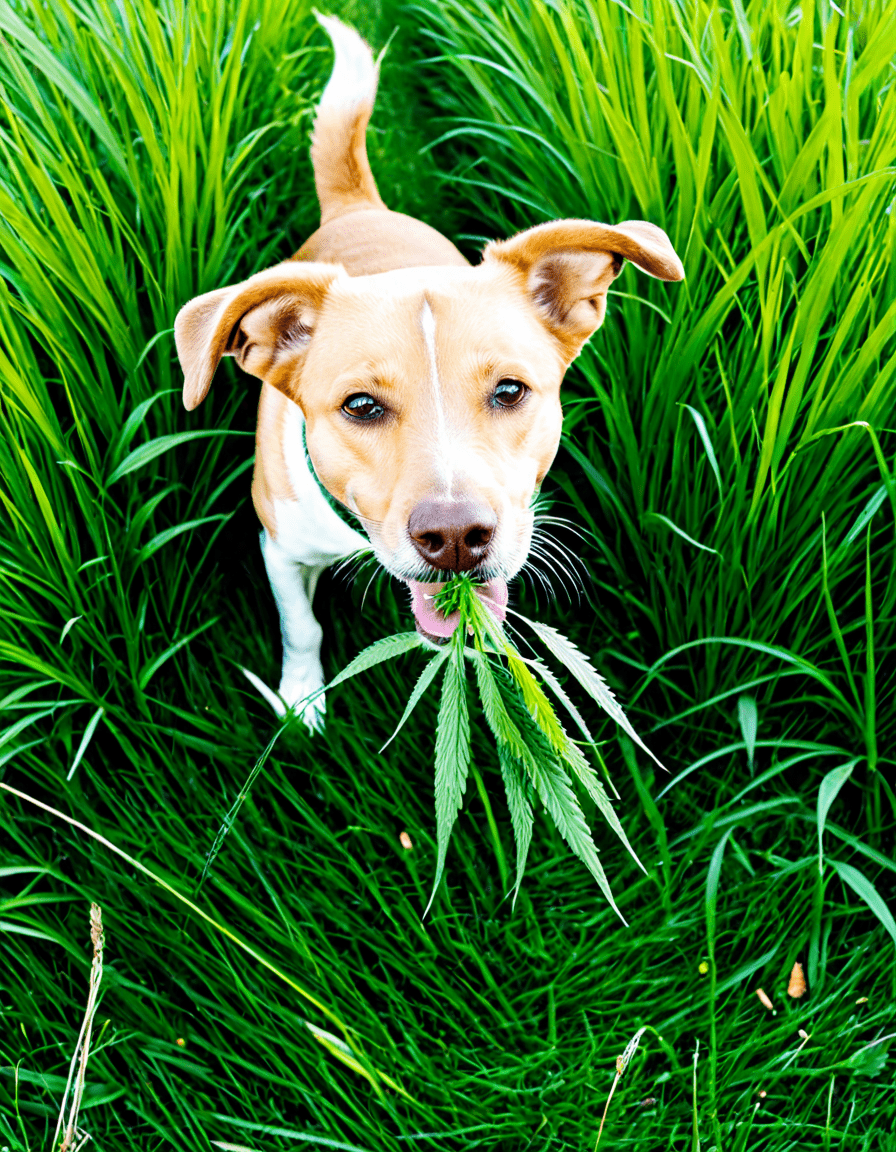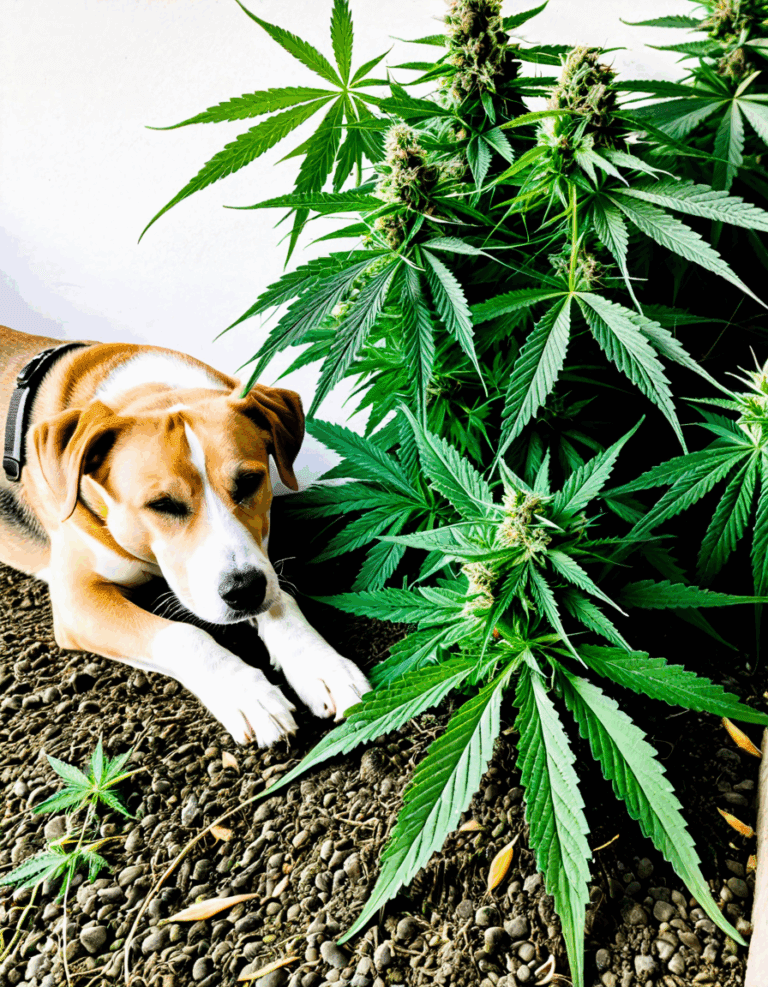
In recent years, cannabis products have found their way into the mainstream, celebrated for their medicinal and recreational benefits. As a result, the number of stories circulating about dogs eating weed has increased, alarming many pet owners. Understanding what happens when your dog eats weed is crucial for every pet owner who wants to act responsibly and keep their furry friends safe.
5 Critical Things to Know When Your Dog Eats Weed
1. Symptoms of Marijuana Toxicity
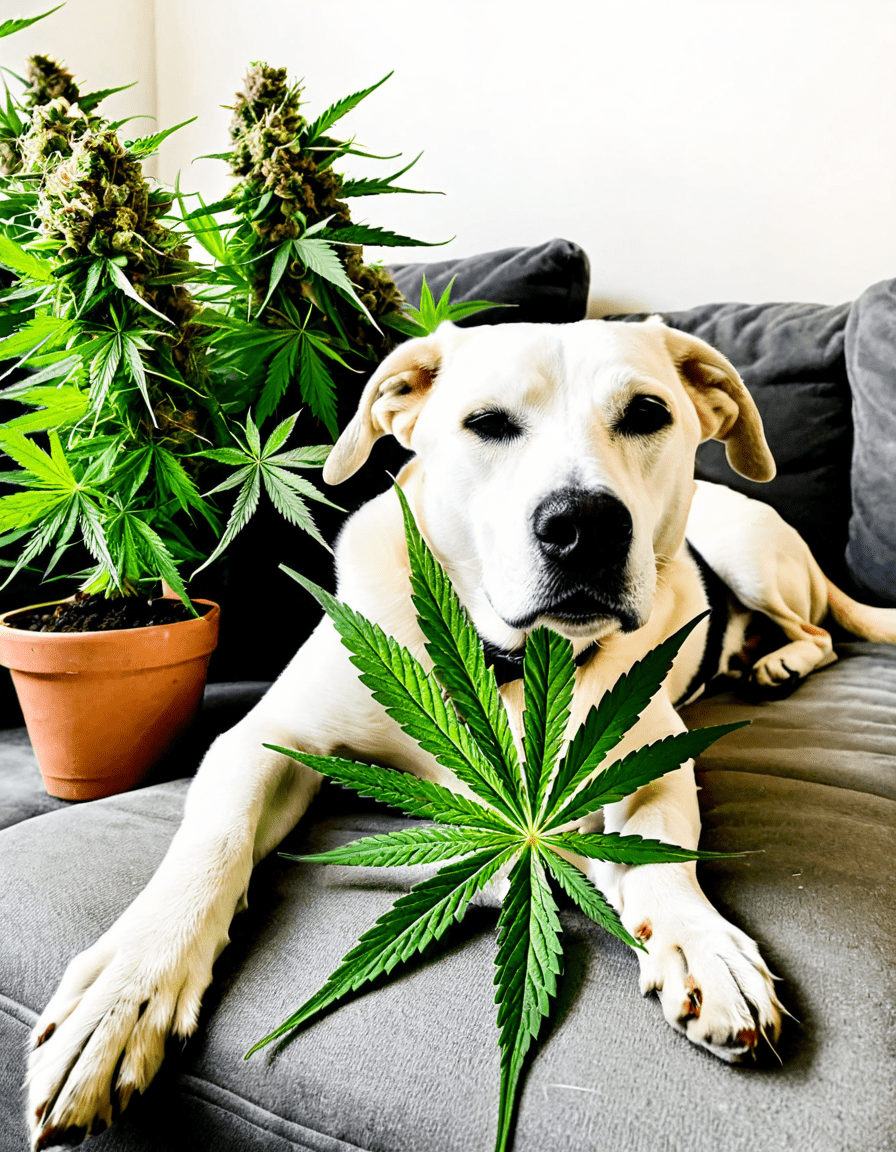
When a dog eats weed, its body reacts differently than humans. Symptoms of marijuana toxicity can range from mild to severe and include lethargy, disorientation, nausea, and slowed heart rate. In more severe cases, a dog could experience seizures or even go into a coma. For example, a Golden Retriever named Max ingested a cannabis brownie and showed signs of extreme lethargy and struggles to walk. Recognizing these symptoms early can be a lifesaver.
If your dog seems wobbly or appears to be in a trance-like state after you suspect they’ve consumed weed, keep a keen eye on them. The sooner you spot these signs, the quicker you can get help. It’s vital for dog owners to remember that detecting the issue early can prevent grave consequences.
2. What to Do Immediately
If you catch your dog munching on some weed, stay calm and contact your veterinarian or an animal poison control hotline right away. If your pup shows signs of moderate to severe symptoms—like excessive drooling, vomiting, or unresponsiveness—you may need to take them to a vet swiftly. Vets often induce vomiting or provide activated charcoal to reduce THC absorption.
For instance, if your dog ate weed edibles, you should also report what kind they consumed. The earlier you act, the better your chances of a smooth recovery for your furry friend.
3. Understanding THC Concentration in Products
Not all cannabis products have the same potency. Edibles, oils, and concentrates can differ in THC content, significantly affecting your dog’s reaction. According to the Animal Poison Control Center, pet owners who give their dogs cannabis edibles face heightened risks due to added sugar and fat, which can lead to other health issues like pancreatitis.
For example, gummies or brownies often contain higher THC levels than plain marijuana. If your dog accidentally eats a concentrated product, like wax or oils, you need to take extra precautions since they can have serious health implications. Always keep cannabis products stored securely.
4. Long-Term Effects of Cannabis on Dogs
Even if the immediate effects of marijuana wear off within a few hours, ongoing research examines the long-term implications of THC exposure on dogs. Anecdotal evidence suggests that some dogs may show behavioral changes or hyper-sensitivity long after the acute effects have ebbed.
A veterinary clinic in Portland reported cases where dogs developed anxiety or other behavioral issues after marijuana toxicity events. The psychological effects can linger, making ongoing observation critical even when your dog seems back to normal.
5. Preventative Measures for the Future
As dog owners, it’s vital to take steps to prevent issues before they arise. Keeping cannabis products securely stored and out of reach is fundamental. Consider investing in pet-proof storage solutions; companies like PoochieBells have innovative storage options tailored for households using cannabis.
Educating friends and family about the dangers of exposing pets to toxins like cannabis is also key. Simply discussing this issue can lead to a safer environment for pets, minimizing their risk of exposure to harmful substances.
What If Your Dog Ate Weed Edibles or Other Toxic Items?
In situations where your dog has consumed weed along with other dangerous items, like chicken bones or cat litter, you need to be aware of the specific dangers each scenario entails. Here’s a closer look:
Innovative Wrap-Up
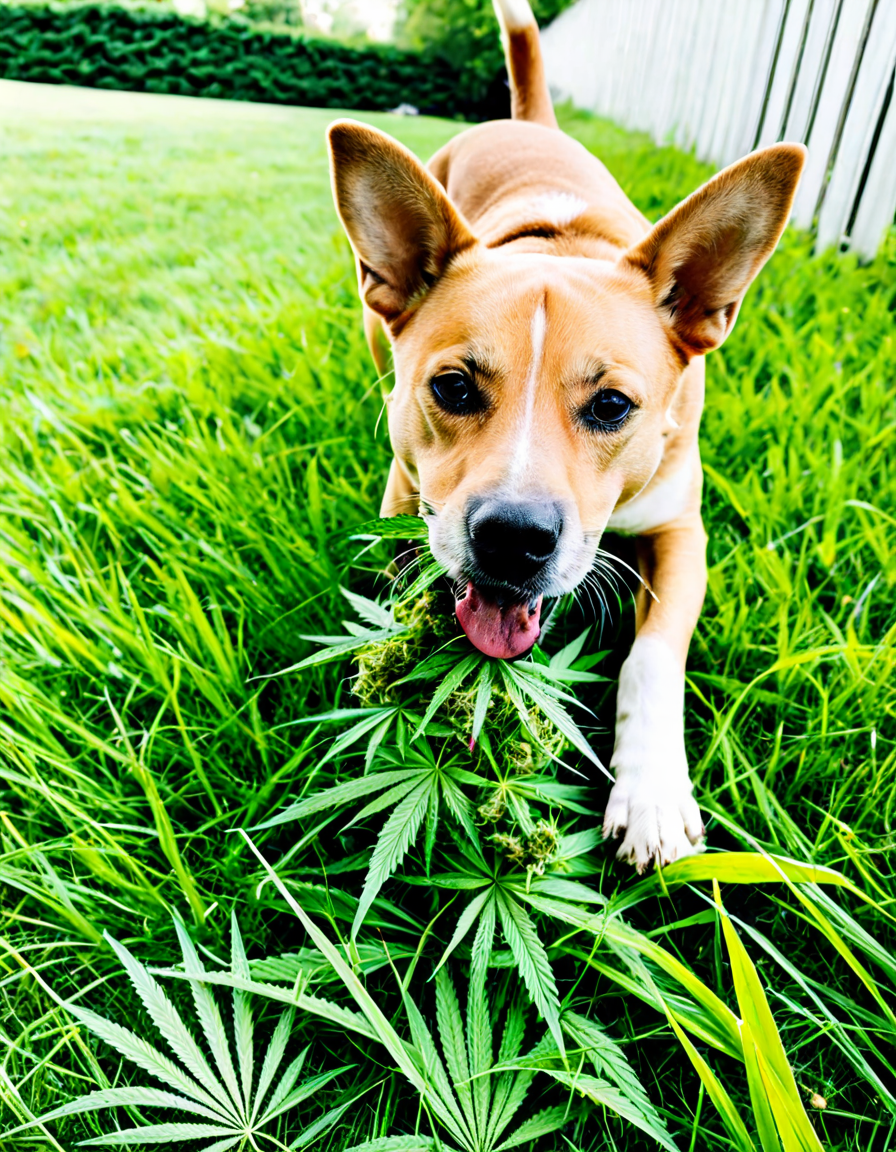
As cannabis legalization progresses, dog owners must stay informed about the risks associated with marijuana. Understanding the symptoms and implications of your dog eating weed can empower you to act swiftly. Being proactive extends beyond cannabis; educating yourself about other household risks can ensure your pet’s safety.
Creating a secure environment and raising awareness not only protects your furry friends but also fosters a healthier life, free from unnecessary risks. Being vigilant today can help your dog lead a happier, longer life. Don’t forget: maintaining a safe home is a huge part of being a responsible pet owner!
Dog Eats Weed: Fun Trivia and Interesting Facts
When a dog eats weed, the experience can be scary for both pups and their owners. Speaking of odd encounters, did you know that stray cats are often thought to have a spiritual connection to humans? If you’ve ever been picked by a stray cat, you might want to explore the spiritual meaning behind that here. But back to our canine companions—marijuana toxicity in dogs can lead to an array of symptoms from lethargy to vomiting. Understanding how to support your dog’s well-being is crucial, just as it is when it comes to other pet health concerns, like what to do if a dog ate a chicken bone link.
Astonishingly, the THC, the psychoactive component in marijuana, affects dogs far more intensely than it does humans. While some people turn to natural remedies for other issues, like that pesky dog constipation link, it’s vital to note that there aren’t really home treatments for weed ingestion. The best course of action is to contact your vet immediately. Just think about it: while you’re trying to figure out where to watch the big game—like the Atlanta Falcons vs. Philadelphia Eagles link—it’s( probably wise to keep marijuana products well out of your dog’s reach.
Interestingly, the trend of pets ingesting human substances has led to discussions about more than just weed. Many pet owners wonder, for example, whether head lice can get on dogs link. Fortunately, they can’t! Just like cannabis remains a concern, it’s always best to stay vigilant about what your pet might munch on. So, if your dog eats weed, keep calm, take note of their symptoms, and seek advice—much like knowing whether or not you can overdose on kratom link—because( your furball’s health is a top priority!