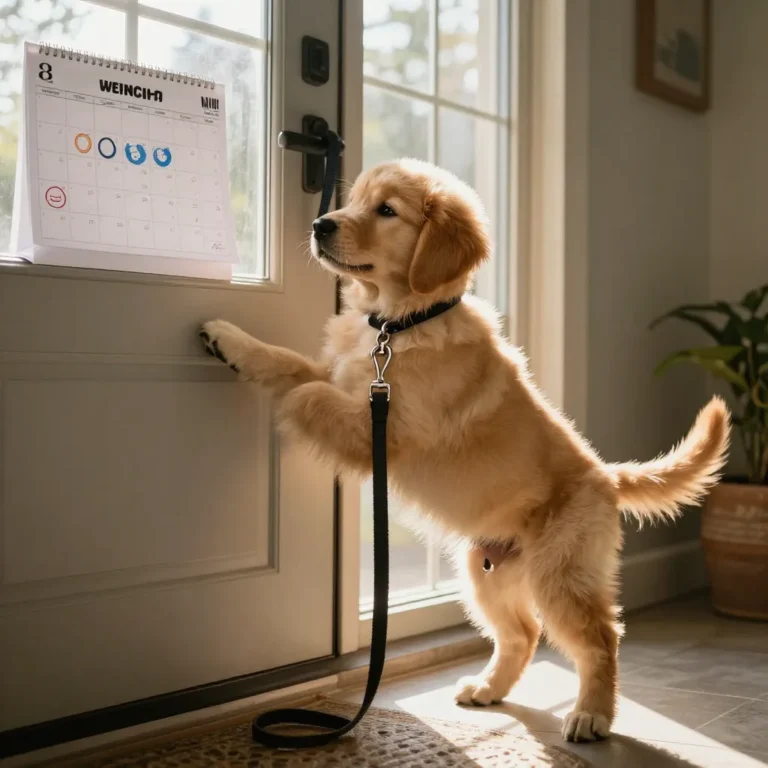
Home Dogs How To Potty Train A Puppy With A Consistent Schedule

How To Potty Train A Puppy With A Consistent Schedule

0
How To Potty Train A Puppy With A Consistent Schedule

Bringing home a new puppy is exciting, but few aspects of pet ownership test patience more than potty training. Success doesn’t come from luck—it comes from consistency, timing, and close observation. By building a reliable daily rhythm, you create the foundation for lifelong habits that benefit both you and your puppy.

What Time Should You Set the Alarm? — How To Potty Train A Puppy

Waking up early isn’t just for coffee lovers—it’s a puppy parent’s first duty. Start every day at the same time, even on weekends. This consistency sets the tone for the entire schedule, helping your puppy recognize when bathroom breaks happen.

Take your puppy outside immediately upon waking—before breakfast, play, or free roam. Puppies naturally need to eliminate after long rest periods, and getting them outside quickly reinforces the right behavior. Wait patiently until they go, then offer praise or a small treat.

If you’re consistently late in the morning, your puppy may start associating indoor spaces with potty time. Use a dependable alarm and resist the urge to hit snooze—your pup’s progress depends on your promptness. For additional guidance on early-stage puppy care, including diet concerns like a Puppy With Mucus In Stool What Should You Do About It, refer to trusted resources to support overall health during training.

AspectDetails
Establish a RoutineFeed your puppy at consistent times daily and remove food between meals to regulate digestion. Take your puppy out: first thing in morning, after meals, after naps, after play, and every 1–2 hours in between. Puppies can typically hold their bladder for about 1 hour per month of age.
Designate a Potty SpotChoose one specific area in the yard or on walks to become the “potty spot.” The scent encourages repetition. Always use a leash when going outside, even in a fenced yard, to reinforce purpose.
Use a Cue WordSay a phrase like “Go potty” or “Do your business” while your puppy eliminates. Over time, this helps develop a conditioned response.
Supervise or ConfineWhen not directly supervised, confine your puppy to a crate or a puppy-proofed area. Crates tap into their instinct not to soil their den. Never use the crate for punishment.
Reward ImmediatelyPraise and give treats within seconds of your puppy eliminating outdoors. Positive reinforcement strengthens desired behavior faster than punishment.
Handle Accidents CalmlyIf an indoor accident occurs, interrupt gently (e.g., “Oops!”), then take them outside. Clean soiled areas thoroughly with enzymatic cleaner to remove scent markers. Never punish.
Limit Indoors Access Early OnUse baby gates or pens to restrict space. This helps prevent undetected accidents and builds bladder control. Gradually increase freedom as reliability improves.
Be Patient & ConsistentMost puppies take 4–6 months to be fully house-trained, though some learn in a few weeks. Consistency across all family members is critical—everyone must follow the same rules.
Nighttime TipsTake the puppy out right before bedtime. Young puppies (under 12 weeks) may need a midnight or early morning potty break. Use a crate near your room to monitor.
Avoid Potty-Pad DependencyIf your goal is outdoor training, avoid relying solely on pads indoors. If used, gradually move them closer to the door and eventually phase them out.

How Long Can a 10-Week-Old Puppy Actually Hold It?

Young pups have tiny bladders and limited control. A general guideline is that a puppy can hold it for about one hour for every month of age, plus one. At 10 weeks, that means no more than two hours between potty breaks.

Going beyond this limit sets your puppy up for failure. They aren’t being stubborn—they physically can’t wait. Even if they seem fine, their body will eventually release without warning, leading to indoor accidents.

Follow a strict hourly routine, especially during the first few months. As your pup grows, gradually extend the time between breaks. By sticking to this rule, you align training with biology, making success far more likely.

The 15-Minute Post-Meal Rule

Digestion kicks in fast in puppies, and most will need to eliminate within 10 to 15 minutes after eating. This makes mealtime one of the most predictable opportunities to direct your puppy to the right spot.

Always take your puppy out on a leash after every meal, even if they’ve just gone. Don’t assume a quick backyard dash is enough—stay outside for at least 5 to 10 minutes, giving them time to fully relax and go.

Use the same door and the same exit route each time to build mental associations. Over time, your puppy will begin to anticipate what happens next. A reliable feeding and potty rhythm also helps identify health patterns—you can learn more about possible changes in appetite from Puppy Not Eating Much But Acting Normal What ’ s Happening.

Why Your Backyard Might Be Sabotaging Success

Letting your puppy run out to the backyard on their own may seem convenient, but it can harm training progress. Unsupervised access reduces your ability to observe, reward, and redirect.

When a puppy goes unwatched, you miss the chance to praise them immediately after eliminating—this instant feedback is crucial. Without it, they don’t learn the connection between going outside and positive reinforcement.

Instead, accompany them every time, using a leash even in a fenced yard. Pick one designated spot and return to it consistently. This repetition strengthens the habit and makes cleanup easier should accidents occur.

Midday Breaks: Can a Coworker Help?

If you work full-time, your puppy’s bathroom needs won’t pause at 9-to-5. Puppies under six months typically need a break every two hours, which means midday support is often necessary.

Consider solutions like a dog walker, a trusted neighbor, or a midday pickup. Even one additional trip outside can drastically reduce accidents and speed up training.

If none of these options are available, plan safe confinement with appropriate supervision. Some owners use indoor potty pads during the day, though this should be a temporary measure. Consistency across all caregivers is key—everyone should follow the same cues and routines.

The Bedtime Ritual That Prevents Accidents

End each day the same way: calm activity, no food or water for at least an hour, and one final potty trip just before bed. This last break is essential, especially for young puppies.

Take your puppy out on a leash and wait until they eliminate. Once they do, return directly inside and place them in their crate or sleeping area. Avoid play or attention that could stimulate them after going.

A predictable nighttime routine reinforces bladder and bowel control. Over time, your puppy learns to hold it through the night—just make sure their schedule supports that ability.

Sleep Through the Night? Here’s the Realistic Timeline

Most puppies begin sleeping through the night—typically six to eight hours—between 4 and 6 months of age. However, this milestone depends entirely on consistent training and routine.

Until then, expect at least one middle-of-the-night waking for younger puppies, especially those under 12 weeks. Set an alarm if needed, but phase it out as they mature and prove they can wait.

Keep nighttime trips quiet and boring. No eye contact, talking, or play. This teaches your puppy that nighttime is for sleeping, not socializing. With clear boundaries and a predictable schedule, success follows.

My Puppy Goes, Then Goes Again—What’s Off?

It’s common for puppies to go outside, return indoors, and then squat just minutes later. This doesn’t mean they’re defying you—it may mean they didn’t fully empty the first time.

Puppies often eliminate partially, especially if distracted. Excitement upon reentering the house can also trigger another release. Marking behavior, though more common in unneutered dogs, may play a role.

To fix this, extend outdoor time slightly. Wait at least 5 minutes after the first potty before bringing them back in. Use a consistent verbal cue and reward only when you’re sure they’re fully done.

Why “Accidents Happen” Isn’t Enough

Saying “accidents happen” is comforting, but it won’t improve results. Every indoor mess is a clue that your schedule, supervision, or feeding routine needs adjustment.

First, clean thoroughly with an enzymatic cleaner to remove odors. Then, review timing: Did you wait too long? Was the puppy napping and missed a break? Was food left out too long?

Also consider health. If your puppy seems off, lethargic, or has changes in stool, consult a vet. For insights into normal vs. concerning symptoms, check Puppy With Mucus In Stool What Should You Do About It for guidance.

Predictability Over Patience: The Approach That Works

Today’s pet parents are moving beyond “wait-and-see” training. With the rise of smart collars, feeding apps, and remote cameras, predictability is replacing patience.

These tools help track feeding times, bathroom frequency, and sleep cycles—making it easier to anticipate needs. But technology doesn’t replace routine. In fact, it enhances the value of a consistent schedule.

The core principles remain unchanged: regular breaks, supervision, and positive reinforcement. Modern tools simply help us stick to them more accurately. The future of training is precision—not punishment.

Beyond the Crate: How Schedule Builds Trust

Potty training isn’t just about cleanliness—it’s about building a reliable bond. When your puppy learns to count on you for timely breaks, they feel safe and understood.

A steady rhythm reduces anxiety. Dogs thrive on routine, and knowing when meals, walks, and potty trips come helps them relax. This structure is especially important during the first few months at home.

Even as your puppy masters the basics, continue honoring the schedule. It sets the stage for off-leash freedom, travel, and lifelong good behavior. A trustworthy routine fosters a trustworthy dog.

What Your Puppy’s Progress Says About You

Your puppy’s success in learning where and when to go reflects more than training—it reflects your commitment, empathy, and consistency. Every small step forward is a shared achievement.

You might stumble, forget a feeding time, or tolerate an extra minute in bed. But the willingness to adjust and persist matters most. Each correction strengthens your connection.

Celebrate milestones quietly but proudly—whether it’s a full night’s sleep or a spotless living room. And if you’re ever choosing the perfect name to match your pup’s new life, browse inspiration like Female Puppy names For brown Dogs : 50+ Gorgeous Names You ’ Ll love to keep the journey joyful.

Mastering the Morning, Mealtime, and More

You’ve probably heard it before—timing is everything when it comes to potty training. Start strong by taking your puppy outside the moment they wake up. Their bladder doesn’t wait, and neither should you. Puppies can’t hold it for long, so the first trip of the day is non-negotiable. This early routine sets the tone, helping them learn that outside is the only place for business.

Feed, Then Faint a Few Hours Later?

Puppies thrive on predictability, especially with meals. Keeping their feeding on a steady schedule means you’ll know when they’ll need a potty break—usually about 20 to 30 minutes after eating. Less food between meals also means fewer surprise accidents. No free-feeding here; portion control gives you control over the timing of potty trips, making training much smoother.

Clock-Watchers Welcome

Tiny bladders need frequent breaks—think every hour for younger pups. Sticking to a schedule, especially during the early weeks, means fewer indoor messes. That means taking them out after naps, meals, and play sessions, whether on leash or to a designated spot in the yard. Pick one spot consistently. Dogs love routine, and a reliable “bathroom zone” helps them make the connection fast.

Oops, But Not a Disaster

Accidents? They’re not just common—they’re expected. The real trick isn’t avoiding every mistake, but responding the right way. Don’t scold. Instead, clean it up quietly and recommit to the schedule. Your job is to supervise closely or confine when you can’t watch, so you can catch them before they go. And when they do get it right? A quick reward can make all the difference. Success isn’t magic—it’s consistency, timing, and a little patience.

What is the quickest way to potty train a puppy?

The fastest way to potty train a puppy is setting a consistent schedule, taking them out every hour, after meals, naps, and playtime, and rewarding them instantly when they go in the right spot—positive reinforcement makes them want to repeat it.

What is the 10-10-10 rule for puppies?

There’s no real 10-10-10 rule that experts widely recognize, but some pet owners use it as a rough guide: take your puppy out every 10 minutes for 10 seconds during the first 10 days—but that’s not standard; most pros say hourly potty breaks and consistency work better.

At what age will a puppy be potty trained?

Most puppies can be reliably potty trained by 4 to 6 months old, though some may take up to a year depending on breed, size, and how consistently you stick to the training routine—they’ve gotta grow into bladder control, after all.

How do you break a puppy from peeing and pooping in the house?

To stop a puppy from going inside, supervise them closely, keep them on a leash near you, use a crate when you can’t watch them, and quickly take them outside whenever you catch them starting to go—interrupt gently, never punish, and reward like crazy when they do it right outside.

What is the quickest way to potty train a puppy?

The fastest way to potty train a puppy is setting a consistent schedule, taking them out every hour, after meals, naps, and playtime, and rewarding them instantly when they go in the right spot—positive reinforcement makes them want to repeat it.

What is the 10-10-10 rule for puppies?

There’s no real 10-10-10 rule that experts widely recognize, but some pet owners use it as a rough guide: take your puppy out every 10 minutes for 10 seconds during the first 10 days—but that’s not standard; most pros say hourly potty breaks and consistency work better.

At what age will a puppy be potty trained?

Most puppies can be reliably potty trained by 4 to 6 months old, though some may take up to a year depending on breed, size, and how consistently you stick to the training routine—they’ve gotta grow into bladder control, after all.

How do you break a puppy from peeing and pooping in the house?

To stop a puppy from going inside, supervise them closely, keep them on a leash near you, use a crate when you can’t watch them, and quickly take them outside whenever you catch them starting to go—interrupt gently, never punish, and reward like crazy when they do it right outside.

LEAVE A REPLY

Please enter your comment!
Please enter your name here