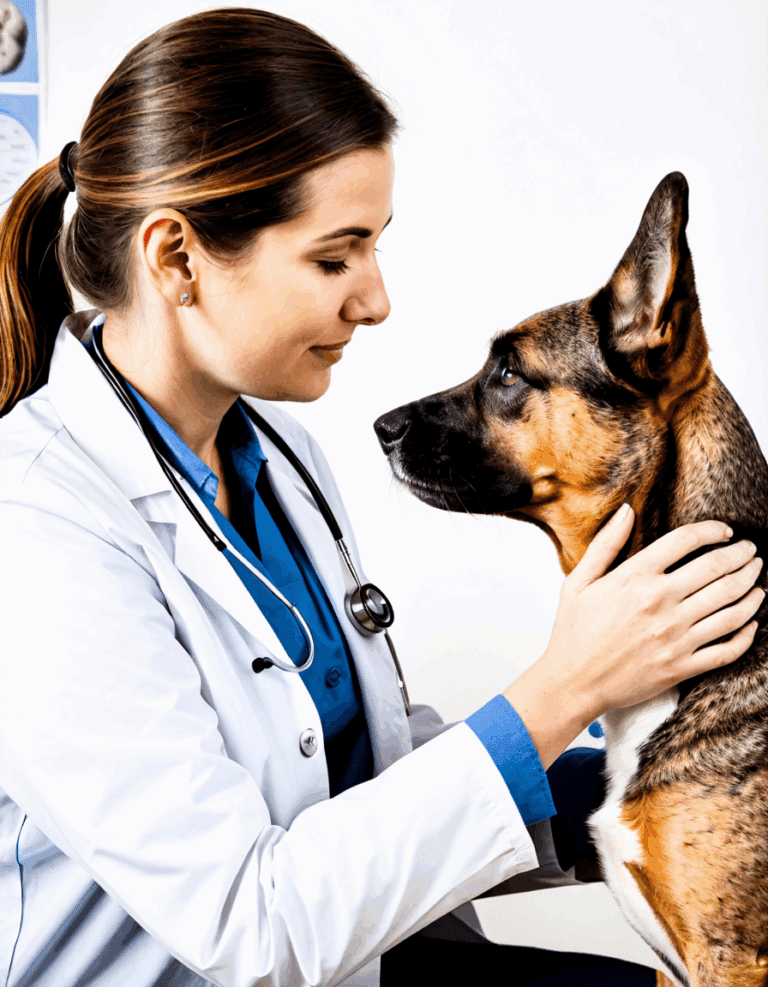
When it comes to our furry companions, making sure they are healthy is a top priority. One area that often raises concern among dog owners is the dog ear tumor. These growths can cause distress not only to your pet but also to you as an owner. Recognizing the signs, understanding the types, and knowing the treatment options available can make a big difference in your dog’s health and well-being.
Recognizing Dog Ear Tumor Symptoms
Physical Signs
Every dog owner should watch for physical changes in their pet’s ears. Some common signs of a dog ear tumor include:
Behavioral Changes
Dogs are creatures of habit, so any shift in their behavior can be telling. If you notice the following:
Associated Conditions
It’s not just the ear that can be affected by a tumor. Associated concerns can include:

Types of Dog Ear Tumors: What to Be Aware Of
Benign Tumors
Not all dog ear tumors are malignant. There are benign growths such as:
Malignant Tumors
Unfortunately, malignant tumors can be more severe and alarming. Some include:
These tumors often display symptoms that call for immediate attention as their growth can negatively impact not only the ear but overall health.
Diagnostic Procedures for Dog Ear Tumors
Veterinary Examination
When you suspect your furry friend has an ear issue, it’s best to visit the veterinarian. They’ll perform a thorough otoscopic examination to assess the situation. This method allows them to view the ear canal and eardrum closely.
Biopsy
To determine if a tumor is benign or malignant, a biopsy is essential. Different types include:
This determination can provide clarity and guide treatment options.
Imaging Techniques
To see if the tumor has spread beyond the ear, your vet might suggest:
These imaging techniques can help diagnose the full extent of the issue and plan further treatment.

Treatment Options for Dog Ear Tumors
Surgical Removal
The most common course of action for both benign and malignant tumors is surgical removal. If diagnosed early, this intervention can prevent further issues.
Chemotherapy and Radiation
For malignant tumors that are inoperable, chemotherapy or radiation may be recommended. Specific protocols vary, so consultation with veterinary oncologists can guide you through the process and expectations.
Follow-up Care and Monitoring
After treatment, keeping an eye on your dog’s health is crucial. Regular check-ups help monitor for any recurrence of tumors. Particularly with cancer treatment, ongoing management and assessment yield the best outcomes.
Visual Insights on Dog Skin Cancer: Understanding the Impact
Comparing Dog Skin Cancer Pictures and Growths
Visual aids play a crucial role in understanding tumors. Using images from reliable veterinary sources helps differentiate between benign and malignant tumors.
Recognizing the Symptoms in Combination with Ear Tumors
Dog ear tumors can correlate with other tumor types, like dermal tumors. It’s essential to connect the dots; for instance, dog skin cancer images may reveal patterns in your dog’s health issues.
Importance of Early Detection
Regularly observing your pet and tracking any changes can dramatically assist in early detection. Using comprehensive images of dog skin tumors can help you identify what looks normal versus abnormal.
Understanding Prognosis and Long-term Care
Prognostic Factors
Several factors will affect the outcome for your dog. These include their age, the type of tumor, its size, and location. The sooner you catch these tumors, the better the prognosis.
Long-term Management
After dealing with a dog ear tumor, the need for regular follow-ups becomes paramount. Monitoring can help catch any complications early. Addressing health changes, particularly in older dogs, requires adapting their care strategy.
Innovative Wrap-Up
Navigating the challenges of dog ear tumors demands a proactive stance. Recognizing symptoms early on can lead to better treatment outcomes. With advances in veterinary oncology, options are continually updating for cancer management. Engaging in regular vet visits ensures you stay updated on the latest treatments. Always remember: vigilant pet care today fosters a healthier tomorrow for your beloved companion.
In closing, whether you’re looking at different treatments like Loratadine for canine allergies or learning about dog eye anatomy, supporting your furry friend in effective ways means staying informed on all fronts of pet health. Stay aware of their needs, and you can reinforce their love and loyalty today and into the future.
By paying careful attention to the symptoms and treatments surrounding dog ear tumors, you not only protect your dog’s health but also ensure that they share many more happy, tail-wagging moments with you!
Dog Ear Tumor: Fun Trivia and Interesting Facts
What You Should Know About Dog Ear Tumors
Dog ear tumors might not be a topic that grabs attention at book club, but there are some fascinating tidbits worth noting, especially if you’re privy to the world of pet care. It’s interesting to remember that just like celebrities struggle with health issues in the limelight—think of actors like Natalie Morales who balance their careers while dealing with personal challenges—dogs face their own set of health hurdles. Early detection of any ear issues can play a crucial role in treatment and can lead to a good prognosis.
Did you know that certain dog breeds are more prone to ear tumors? You might want to keep an eye on your floppy-eared friends because retrievers and spaniels can sometimes be more susceptible. It’s a little like how different people, say models like Hernan Drago, might excel in various fields but still need to keep health concerns on their radar. For pet owners, spotting signs early, such as unusual growths or discharges, can lead to timely vet visits that could make all the difference.
Diagnosis and Treatment Insights
When it comes to diagnosing a dog ear tumor, there’s a mix of examination and testing involved, somewhat akin to how fans keep up with their favorite stars, such as Jim Carey, who captivates audiences with his works. Diagnostic methods resorting to cytology and biopsies show how vets can pinpoint whether a growth is benign or malignant. If you hear your vet mention “Loratadine, know that it’s also used as a treatment option for allergic reactions in dogs, as discussed in our guide on Loratadine canine.
So what happens if your dog does end up with cancer? Treatments can range from surgery to chemotherapy, and while it might sound overwhelming, there’s a strong support network out there. Just like fans who want to know Where can I watch The Super bowl to catch the big game, you can find resources that guide you through your dog’s treatment journey.
Keep an Eye on Ear Health
Understanding the signs of a dog ear tumor, such as persistent scratching or head shaking, can save you a lot of worry, not to mention a trip to the vet. Much like people are getting educated about health issues related to dog tongue cancer, knowing what to look for can empower you to take swift action. Plus, if you hear about genetic conditions like Pelger anomaly, which affects white blood cells, it should remind us that health issues can span a variety of areas—not just for humans.
In conclusion, whether you’re navigating the intricacies of dog ear tumors or simply enjoying fun facts about our furry friends, staying informed is key. With a proactive approach, your dog can enjoy a long, healthy life.
