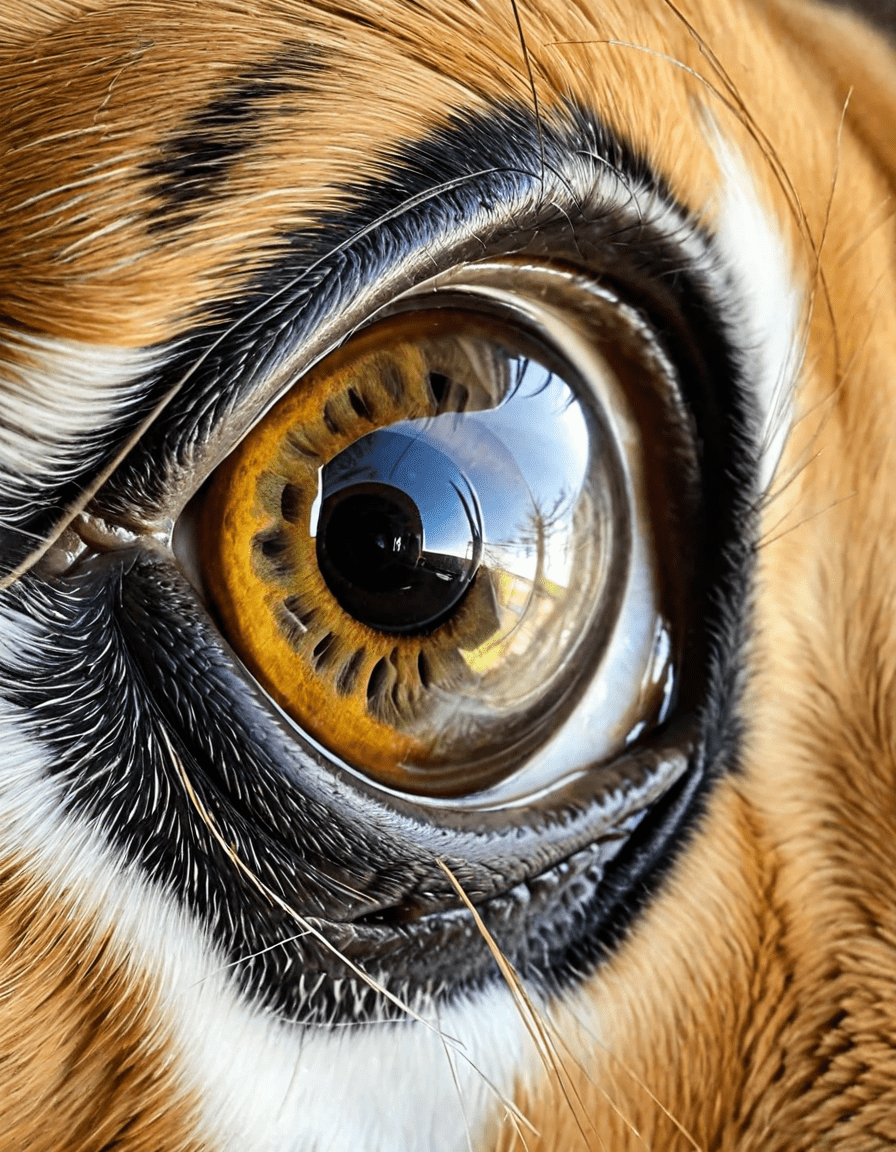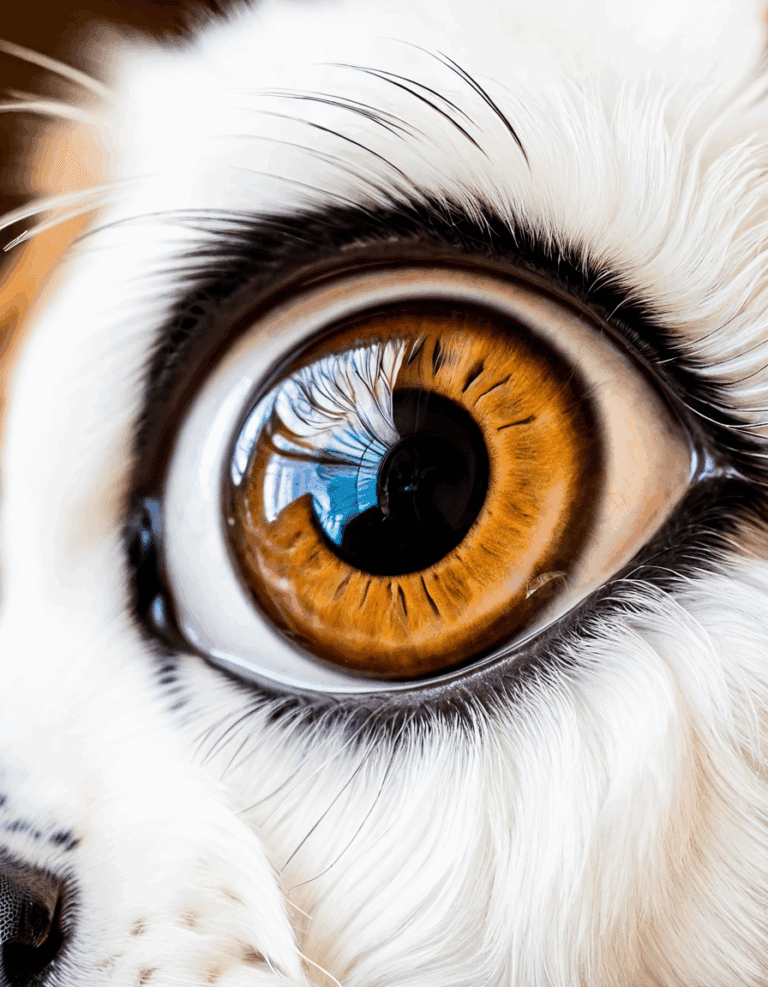
When it comes to dog eye anatomy, there’s so much to explore! Dogs have fascinating features in their eyes that differ significantly from ours. Understanding these differences not only helps us appreciate our furry friends but also equips us to care for them better. So, let’s delve into the intricate details of dog eye structures and discover some mind-blowing insights!
7 Fascinating Aspects of Dog Eye Anatomy
1. Structure of the Canine Eye
Did you know that dogs have a unique layer called the tapetum lucidum? This shiny tissue lies just behind their retina and reflects light, which allows them to see better in low-light conditions. It’s like having night vision! However, this benefit comes with a caveat; without proper care, conditions such as dog conjunctivitis can arise.
Additionally, the canine cornea is thicker than that of humans, which gives them additional protection and a wider field of view. These physical attributes shape how dogs perceive their environment and interact with the world around them.
2. Common Eye Conditions
Caring for a dog’s eyes means being aware of common eye conditions like cataracts, cherry eye, and dry eye (keratoconjunctivitis sicca). Early indicators might include red or swollen eyes, excessive tearing, or even pawing at the face. If you spot these symptoms, it’s best to consult your vet promptly.
Knowing these conditions can help you seek timely treatment, keeping your pup’s peepers healthy and shiny.
3. Vision Spectrum
Dogs see the world differently than we do! Their vision primarily revolves around shades of blue and yellow. This perception shapes how they respond to various stimuli. While we might see a vibrant rainbow, dog’s vision is more like a muted painting.
For instance, the inability to see red or green can affect how a dog interacts with toys and surroundings. Understanding this can help pet owners choose toys that stand out in a dog’s visual spectrum, like those in blue or yellow.
4. Impact of Dog Skin Problems on Eye Health
The health of your dog’s skin can greatly influence their eye health. Conditions such as skin allergies can lead to excessive scratching or rubbing of the face, which may result in inflammation around the eyes. Consequently, this can lead to infections or other more severe issues, underscoring the importance of keeping an eye on your pup’s skin health.
Common conditions like dirty dog syndrome not only affect hygiene but can also prompt serious skin infections and irritations. Regular grooming and monitoring your dog’s skin can prevent potential eye complications.
5. Photos of Related Health Issues
Visuals often reveal what words cannot. Featuring dog skin cancer photos and canine lip cancer pictures, for instance, can help you recognize abnormalities early. Understanding conditions that may affect the eyes, such as dog insect bite pictures, assists in identifying issues before they escalate.
By monitoring these visuals, you bolster your chances of catching health issues before they turn serious.
6. Dog Eye Anatomy and Behavioral Cues
Dogs don’t just express their emotions verbally; their eyes also play a significant role in communication. Understanding dog eye anatomy can help you interpret your pet’s feelings better. For example, pupils that dilate could indicate excitement or fear—or even aggression.
Recognizing these behavioral cues empowers owners to respond appropriately, whether it’s providing comfort or backing off.
7. Interplay With Other Anatomic Features
Dog eye health isn’t an isolated issue. It intertwines with other aspects of their anatomy, including dog bone anatomy and overall mobility. Joint pain can lead to behavioral changes, which might manifest in their eye expressions.
For instance, a dog in pain may have soulful, sad eyes. Understanding this interconnectedness can lead you to recognize when your pup needs more than just a visit to the eye doctor.
Exploring Visual Indicators: Recognizing Dog Skin Problems Through Images
When addressing skin issues or eye conditions in dogs, visuals can be enlightening. Pictures provide quick references to identify abnormalities early.
Visual Assets for Owners
Keeping a reference library of dog skin problems pictures can be handy. Familiarize yourself with what to look for by storing resources like dog skin cancer photos and dog insect bite pictures—the more prepared you are, the better you can safeguard your pup’s health.
Home Remedies: Managing Swollen Dog Paws and Eye Health
Managing swollen dog paws can range from simple home remedies to more serious interventions. Some topical treatments, like cool compresses, can soothe inflammation around the paws or the face.
For eye issues, ensure you’re keeping the area clean. Regularly washing your dog’s face can prevent gooey messes or potential infections from occurring.
If swelling persists or impacts the eyes, consultation with a vet is crucial. Taking prompt action can ward off further complications.
Final Thoughts on Canine Eye Health
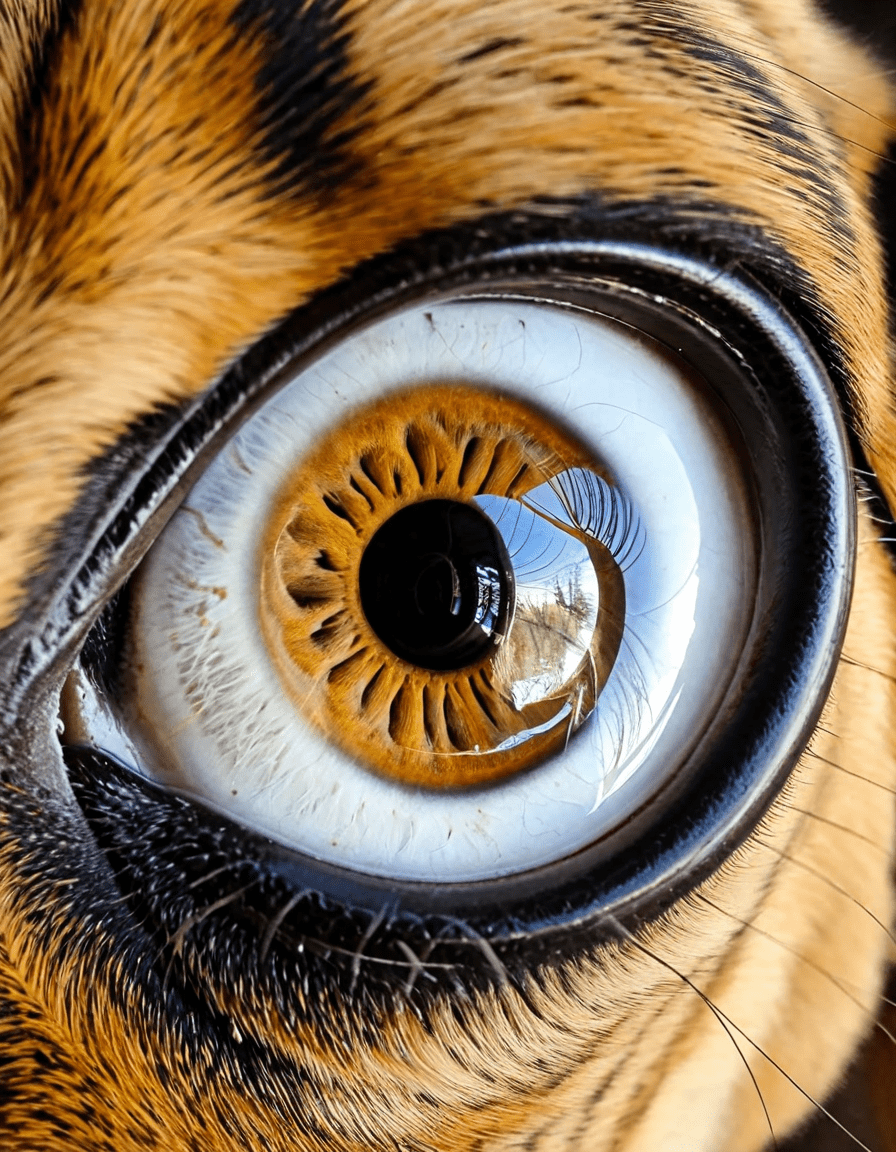
Understanding dog eye anatomy gives you the tools to care for your furry friend. By recognizing visual cues, monitoring for skin problems, and acting swiftly in response to changes, you’ll improve your dog’s quality of life.
The connection between your attention to your dog’s well-being and their overall health is strong. The more you learn, the better you can advocate for your canine companion. Your diligence builds a lasting bond, promoting a happier, longer life together. Keeping your dog’s eye health in check is a great way to show your love!
By being proactive and educated, you’re not just protecting their sight; you’re enhancing their life overall.
Dog Eye Anatomy: Insights That Will Amaze You
The Incredible Structure of a Dog’s Eye
Did you know a dog’s eye anatomy is quite different from ours? Their eyes are made for tracking movement, which is why they excel in fetch! Dogs have a higher number of rods in their retinas compared to humans, allowing them to see better in low light. They don’t just have eyesight that’s tailored for the dark; their peripheral vision is impressive, too! In fact, a dog can see a wider field of view than most humans, which is handy when chasing after that elusive ball in the backyard, reminiscent of how we’re all excited to dive into a movie at a stunning venue like the Cinemark Seven bridges And Imax.
Fun Trivia About Dog Eyes
Here’s something to chew on: Did you know that dogs can detect a variety of colors, albeit not as vividly as humans? Their color perception is akin to a person with red-green color blindness. They see shades of blue and yellow but struggle with reds and greens. This fascinating dog eye anatomy helps them in various ways, from hunting to simply enjoying their day. On another note, if you ever find your pup inexplicably scratching their ears, it could be worth exploring the common issue of a dog ear tumor, as it might be linked to their sensitive hearing.
The Mystery of Eye Conditions
Barking up the wrong tree, some might wonder if unusual eye conditions could indicate deeper problems. The Pelger anomaly, for example, can affect how a dog’s eyes function. It’s one of those peculiar but important tidbits every dog owner should know. Similarly, dogs can suffer from oral health issues, such as dog tongue cancer that could lead to changes in eating habits or even affect their eyesight in indirect ways. Pets truly do require our attention!
Overall, understanding your furry friend’s dog eye anatomy not only helps us appreciate their incredible abilities but also keeps us attentive to potential health concerns. Much like considering whether you should be cautious about Underwriting a loan, recognizing these subtleties in your pet’s health is crucial. Adapting our insights to better serve our furry family members can truly make a difference!