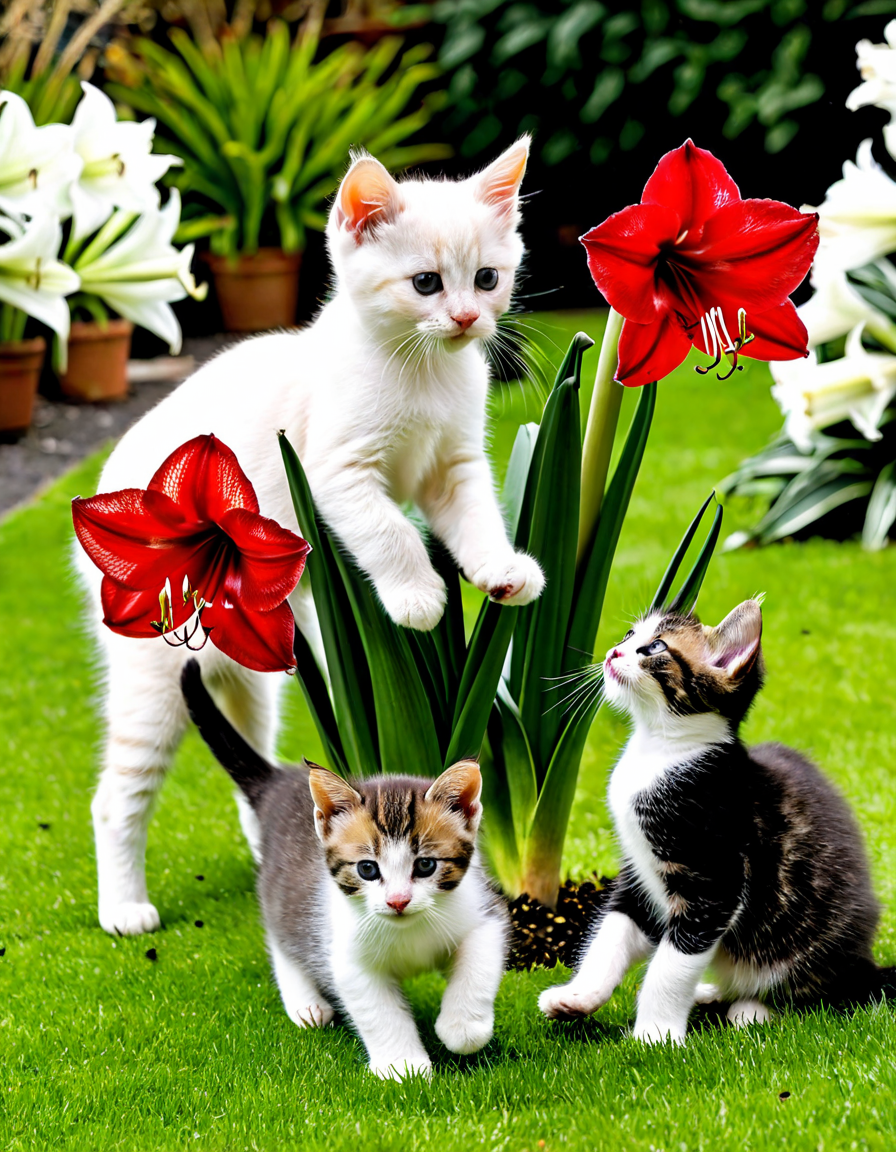
When creating a safe space for our feline friends, knowledge about plants that can pose dangers is essential. The amaryllis, celebrated for its vibrant flowers, has raised alarms among cat owners. So, are amaryllis poisonous to cats? Let’s dive into this topic and take a look at other plants that can be harmful, not just to our cats but to our canine companions too.
Amaryllis contains toxic components that can lead to serious health issues in cats. It’s crucial to stay informed to prevent any potential tragedies in your home. Knowing these risks allows you to create a safe living environment for your pets while still enjoying beautiful plants.
5 Key Points on Amaryllis Poisoning in Cats
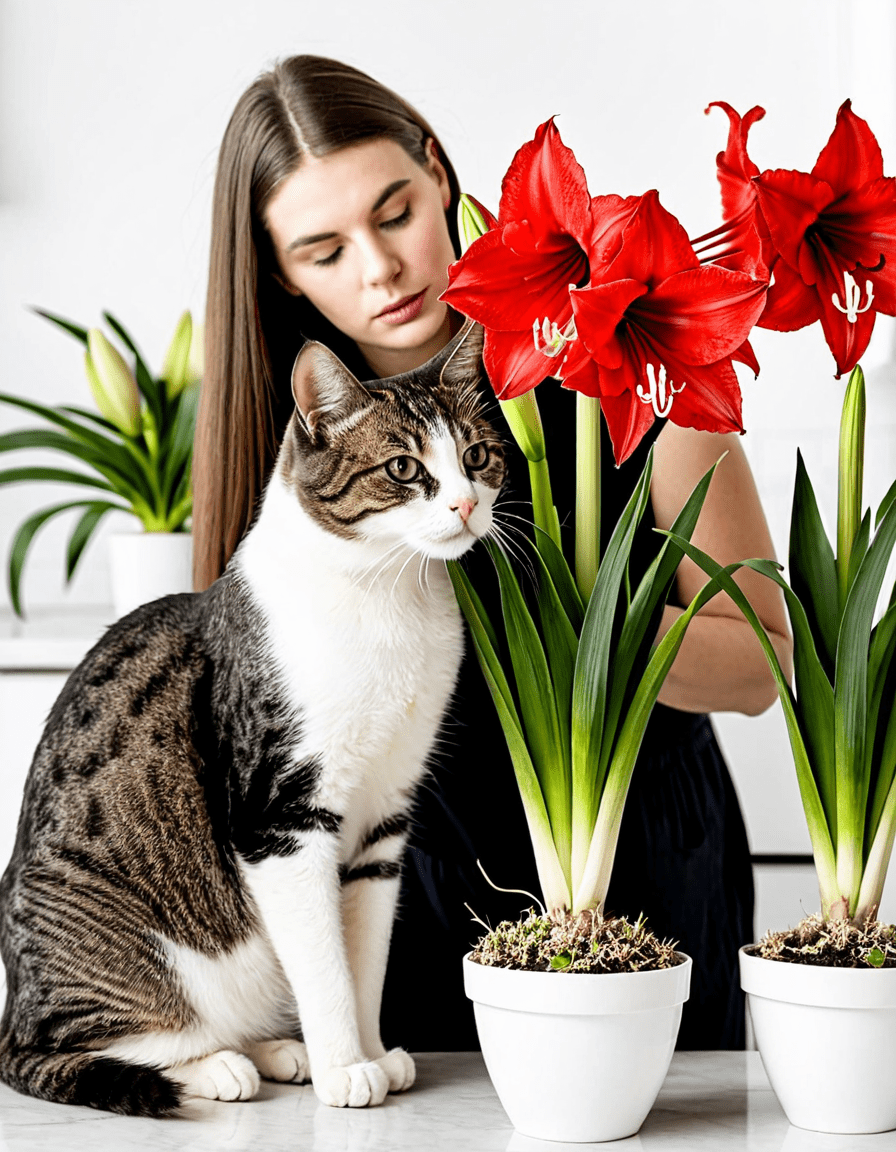
Other Toxic Plants to Watch Out For
Are Dandelions Poisonous to Dogs?
Dandelions are often seen as pesky weeds, but they’re not toxic for dogs. In fact, many pups munch on dandelions with zero adverse effects. Just make sure the dandelions haven’t been treated with harmful pesticides or herbicides.
Are Azaleas Poisonous to Dogs?
Absolutely. Azaleas are toxic to both dogs and cats. If ingested, they can cause a broad spectrum of symptoms, including vomiting, diarrhea, and lethargy. Acute cases can lead to cardiac failure, reinforcing the need for vigilance among pet owners.
Are Tulips Toxic to Cats?
Yes, indeed! Tulips are toxic to cats and primarily affect their gastrointestinal system. Just a tiny amount can cause considerable distress. So, if you’re a cat owner, steer clear of tulips in your home.
Are Hyacinths Poisonous to Cats?
Hyacinths also fall into the danger zone for cats. They contain similar toxins to tulips, which can lead to symptoms such as vomiting and diarrhea if consumed. Keeping them out of reach is crucial for your pet’s safety.
Are Calla Lilies Poisonous to Cats?
Calla lilies are particularly toxic to cats. Ingestion can cause intense oral irritation, difficulty swallowing, and vomiting. If your cat eats any part of a calla lily, seek immediate veterinary help.
Are Succulents Poisonous to Cats?
While most succulents are safe for our feline friends, it’s still vital to check specific types. For example, while jade plants (Crassula ovata) can cause vomiting and lethargy, other common varieties like Echeveria are generally safe. Make sure to research before you plant!
Maintaining a Safe Indoor Plant Environment
Creating a pet-friendly home doesn’t mean giving up on houseplants. In fact, you can have the best of both worlds by choosing non-toxic options. Keeping an eye on your furry friends also helps ensure a harmonious environment.
Familiarizing yourself with toxic and non-toxic plant options is a smart move for every pet owner. Remember that even plants considered non-toxic in small amounts can create issues for some pets. This is where consulting with a veterinarian can be a real game changer.
By fostering a safe space for your pets, you enhance their well-being while allowing yourself to enjoy the beauty of plants without worry. Knowing about maintaining a pet-friendly environment adds an extra layer of peace in your home.
As you decorate, don’t forget to consider other plants that may pose risks to your pets. For example, are hibiscus poisonous To Dogs? The answer is yes, so make sure to keep an eye out! All in all, staying informed and prepared will keep both you and your furry friends happy and healthy.
In summary, understanding the question of, “Are amaryllis poisonous to cats?” and the risks posed by other plants is critical for pet safety. A little precaution goes a long way towards a happy and secure home for both you and your fur babies!
Are Amaryllis Poisonous to Cats?
When discussing whether are amaryllis poisonous to cats, it’s crucial to understand the potential risks. These beautiful flowers are indeed toxic to our feline friends. The bulbs, in particular, contain compounds called alkaloids that can lead to symptoms like vomiting, diarrhea, and even more severe reactions in some cases. If you suspect your cat has had a nibble, it’s vital to consult your vet pronto.
On a lighter note, did you know that the amaryllis flower has a fascinating history? It’s believed that these blooms were once sacred to the ancient Greeks, symbolizing pride and determination. Speaking of pride, have you ever seen the show Liv And Maddie? It’s a fun watch that teaches about family dynamics and friendships, much like how we protect our furry companions from harmful plants like amaryllis. Now, just as the characters go through ups and downs, so does the world of pet safety!
When exploring topics like are amaryllis poisonous to cats, it’s also interesting to note that there are numerous plants that may make interesting headlines, much like a recent Gop debate. Just think, a cat’s curiosity can lead them to munching on various flora, underscoring the importance of pet-proofing your home. If you want to compare similar dilemmas, check out our piece on psyllium Vs Miralax—it dives into how the right choices improve your pet’s health.
Ultimately, being aware of what’s in your home can save you from situations that feel like a judge Attacked drama. And for those moments when you’re stressed about your cat’s health, take a breather like many do after enduring the stink that goes wrong. Remember, while amaryllis may bring beauty to your home, keeping them out of reach of your pets is the way to go. So, safeguard your home, and let those kitties roam free!