1. Can Abused Dogs Be Trained? The Journey of Healing
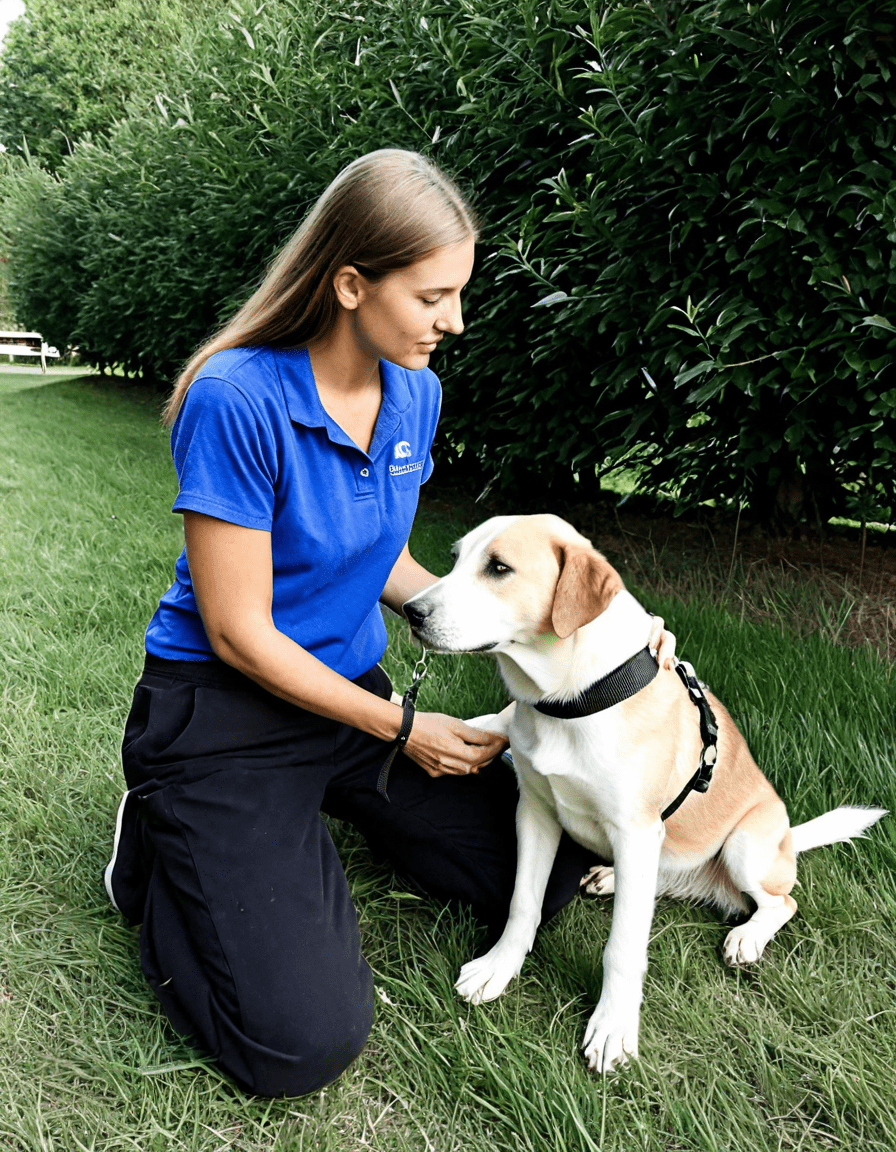
The heart-wrenching truth is that abusive experiences leave deep emotional scars on dogs, making them fearful and untrusting of humans. So, can abused dogs be trained? The answer is yes, but the journey of healing can be slow and requires a lot of love and patience. While many abused dogs can respond beautifully to training, their recovery is often a gradual process requiring dedication from their handlers.
Several critical factors influence the trainability of abused dogs. First, historical trauma can weigh heavily on their ability to trust again. Dogs who have faced severe physical violence may take longer to respond to commands, affecting the progress of training. Second, socialization skills play a vital role; many of these dogs haven’t had the chance to develop basic social skills, making them hesitant in new environments. Training should emphasize socialization to help build their confidence. Lastly, previous associations can trigger fear responses to everyday situations that remind them of their traumatic pasts. Understanding these triggers is essential for effective rehabilitation.
Experts in canine behavior, such as Dr. Ian Dunbar, advocate for positive reinforcement as the best approach for training abused dogs. This method involves rewarding desired behaviors rather than punishing undesired ones. Positive reinforcement fosters trust, making it easier for recovering dogs to feel safe. As any good trainer will tell you, that bond of trust is crucial in helping these abused animals find joy again.

2. Top 7 Training Techniques for Abused Dogs
Rehabilitating abused dogs takes the right mix of training techniques to help them flourish. Here are the top seven methods that can lead to positive outcomes, supported by professionals in the field:
Start with gradual exposure to new people, sounds, and environments. Speak in calm tones and maintain relaxed body language to help them acclimate.
This method uses a distinct sound to signal desirable behavior, followed by a reward. Clicker training has shown to make training a positive experience, enabling dogs to associate it with good things.
This approach aims to change the negative emotional response a dog has towards certain stimuli. For example, if a dog fears a broom, rewarding them for calm behavior when it’s around can reframe their perception.
Consider enrolling your dog in socialization classes with other friendly dogs. This interaction can provide valuable exposure and teach them essential social skills.
Collaborate with certified dog trainers, such as those affiliated with the Association of Professional Dog Trainers (APDT). Their guidance can help create a structured environment where your dog feels secure.
Designate a quiet area in your home where your dog can retreat when feel overwhelmed. Products like pheromone diffusers can also help maintain a calming atmosphere.
Establishing regular daily schedules can significantly reduce anxiety and help your dog feel more secure. Predictable routines make dogs more receptive to training and overall better behavior.
3. Long-term Benefits of Training for Abused Dogs
The long-term outcomes of training extend far beyond just correcting behaviors—they enhance the quality of life for abused dogs. For starters, proper training enables these dogs to engage joyfully with their surroundings. This engagement boosts their mental health and brings them closer to overall happiness.
Another significant upside is the strengthened bond between the dog and its owner. Successful training leads to mutual understanding and trust, resulting in a deep companionship. Relationships grow stronger when both parties are committed to nurturing their bond through shared experiences.
Lastly, effective training boosts adoption success rates. Organizations like the ASPCA report that dogs undergoing structured rehabilitation programs are more likely to find forever families. Positive behavioral changes not only make these dogs more appealing to potential adopters but also set them up for a fulfilling life ahead.

4. The Emotional and Behavioral Challenges: Insights from Case Studies
Training these dogs can be a rollercoaster of emotions filled with both setbacks and progress. Examining real-life case studies reveals common challenges and effective strategies to overcome them.
Take, for instance, the journey of Max, a rescue dog who escaped a neglectful situation. Max was terrified of sudden movements and loud noises. His foster parents implemented clicker training and introduced him to various environments gradually. Over six months, patience and consistent reinforcement allowed Max to regain trust, eventually leading to his adoption by a family committed to his ongoing training.
Then we have Luna, a dog who was a victim of physical abuse and initially displayed severe withdrawal and aggression. She underwent personalized training focused on socialization with calm dogs and the use of positive reinforcement. As Luna learned to interact gently over time, her behavioral issues transformed, allowing her to thrive in a loving home, proving that with the right approach, even the most troubled dogs can flourish.
5. Can Abused Dogs Be Trained? The Role of Ongoing Support
The road to recovery doesn’t end with adoption or initial training sessions—it requires ongoing support for both the dog and its new family. Continuous help is essential for ensuring that the bond grows stronger and that both parties stay committed to the training process.
Regular check-ins with professional trainers can maintain momentum. Families may benefit from joining support groups wherein they can share experiences and insights about their dogs. Monthly refresher courses can also play a crucial role; these sessions reinforce positive behaviors and offer encouragement.
Ultimately, creating and maintaining a stable, loving environment complements the sustained training efforts. This harmonious partnership ensures that the goodwill developed between the dog and its human continues to thrive.
6. Addressing Common Myths: Can Dogs Get Aids and Other Pet Questions
When discussing the complexities of abused dogs, questions about their health often arise. Amid considering rehabilitation, let’s clear up some common misconceptions regarding pet health.
Dogs cannot get human AIDS, but they can contract Canine Immunodeficiency Virus (CIV). Understanding both human HIV and CIV can alleviate unnecessary fears about a dog’s health after abuse.
Absolutely! Just like humans, cats can experience nightmares, often influenced by stress from past trauma. This knowledge helps ompet owners understand their pets better.
While not typical, pacifiers pose a potential choking hazard for cats. Keeping an eye on household items your cat might chew on ensures their safety.
Yes, cats can get rabies, especially if they come into contact with wild animals. Keeping vaccinations up to date is vital for the health of your feline friend.
In Summary
Rehabilitating abused dogs is not just about teaching basic commands; it’s an intricate emotional journey that requires commitment and heart. While challenges undoubtedly arise, the potential for joy and recovery is immense. By employing effective training techniques, nurturing trust, and providing ongoing support, abused dogs can evolve into vibrant members of loving families. This transformation not only benefits the dogs but enriches the lives of their new human companions as well. So take heart—if you’ve ever wondered, “Can abused dogs be trained?” the answer is a resounding yes!
Can Abused Dogs Be Trained?
The Power of Love and Patience
Can abused dogs be trained? Absolutely! Training an abused dog requires a lot of love, patience, and understanding. It’s a journey that can begin as a timid pup learns to trust again. Controlling your surroundings is vital—creating a safe space can help ease their fears. Did you know that dogs, like humans, can hold onto emotional scars? They often carry a history that influences their behavior. But with the right technique, you can significantly help your furry friend embrace new beginnings. It’s kind of like how even a wild bear can turn into a trusty companion—just take a look at man Vs. wild and how knowledge can bridge gaps in understanding.
Building Trust Takes Time
Trust-building is crucial when pondering, can abused dogs be trained? It’s a gradual process that can be likened to watching a movie unfold, such as the comedic elements in no hard feelings movie. Each day brings new opportunities for connection, and training sessions should be fun and rewarding. Positive reinforcement is a game-changer; sweet treats and praise can work wonders! For instance, if your pup has experienced trauma associated with food, you can consider safe alternatives like pro Pectalin Tablets For Dogs. Not every dog responds to training in the same way, so be ready to adjust your methods. Much like Hall & Oates adapted their music to fit different audiences, you might need to tailor your approach to your unique dog.
Fun Facts About Training Abused Dogs
Helping an abused dog rediscover joy is full of surprises! Did you know that dogs can even experience emotional support through the companionship of other animals? This interaction can help soothe their worries. It’s similar to how certain unique characters shine in Knights Of The zodiac saint Seiya and teach vital lessons about friendship and loyalty. Moreover, nurturing an abused dog can help dispel common Superstitions surrounding these resilient creatures. It’s a heartwarming journey where even the darkest pasts can turn into a vibrant future.
So, can abused dogs be trained? With the right techniques, lots of love, and endless patience, they can bounce back. It’s like finding the perfect alternative To neosporin For Dogs; it’s all about understanding what works best for them in their recovery process. Remember, every small step forward is a step toward finding joy!