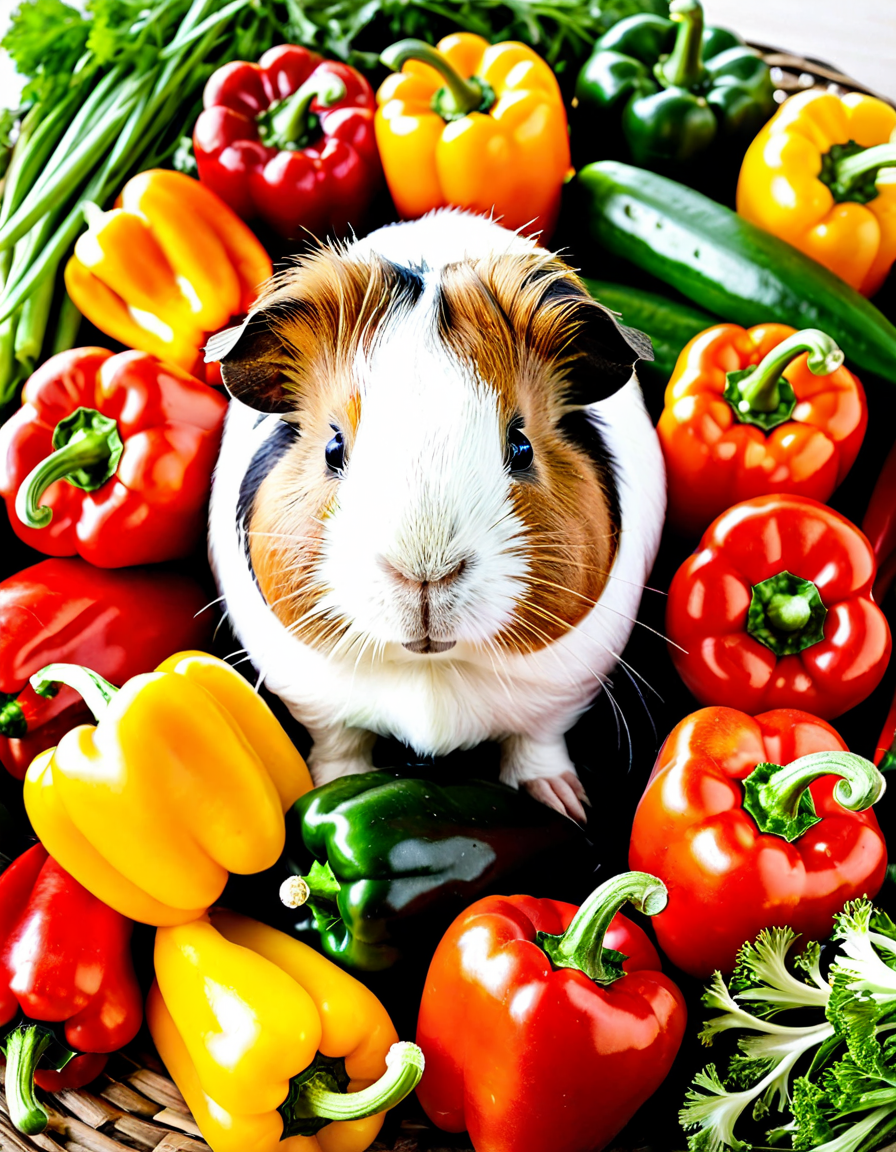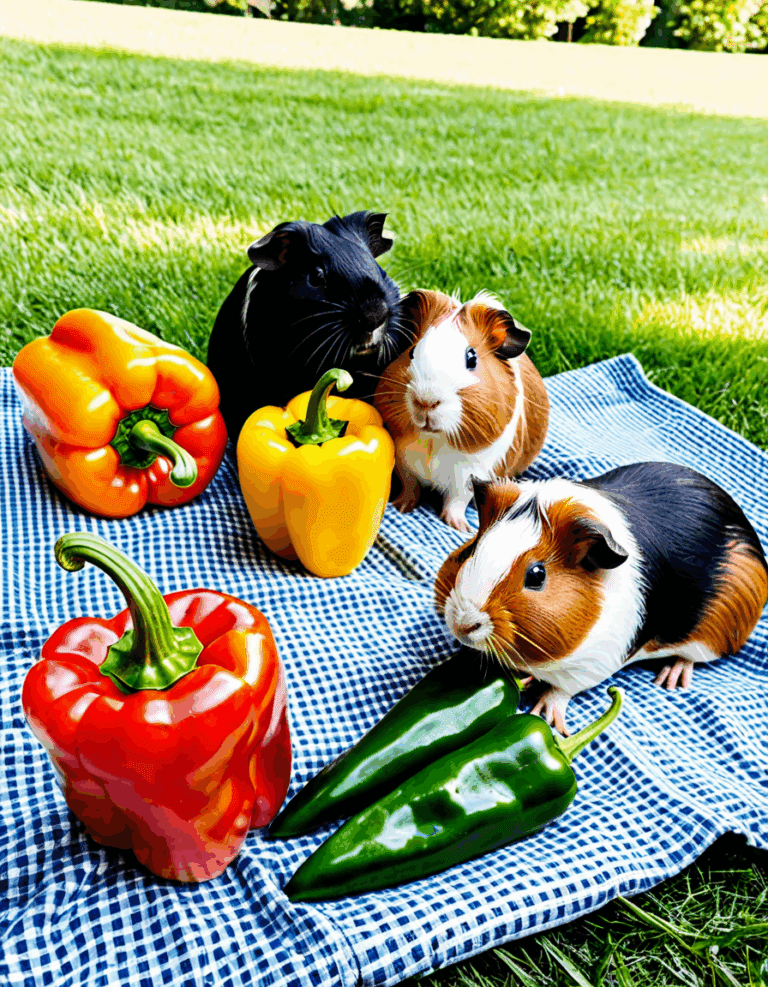
Guinea pigs are delightful pets known for their playful personalities and adorable squeaks. As responsible pet owners, it’s important to provide them with a well-rounded diet that supports their health and happiness. One burning question many guinea pig enthusiasts ask is, can guinea pigs eat bell peppers? Well, the short answer is yes! These colorful veggies can be a fantastic addition to your furry friend’s diet. In this article, we’ll dig into the numerous benefits of bell peppers for guinea pigs and explore other nutritious vegetables to consider.
7 Noteworthy Reasons Why Bell Peppers Are Beneficial for Guinea Pigs
1. Rich Source of Vitamin C
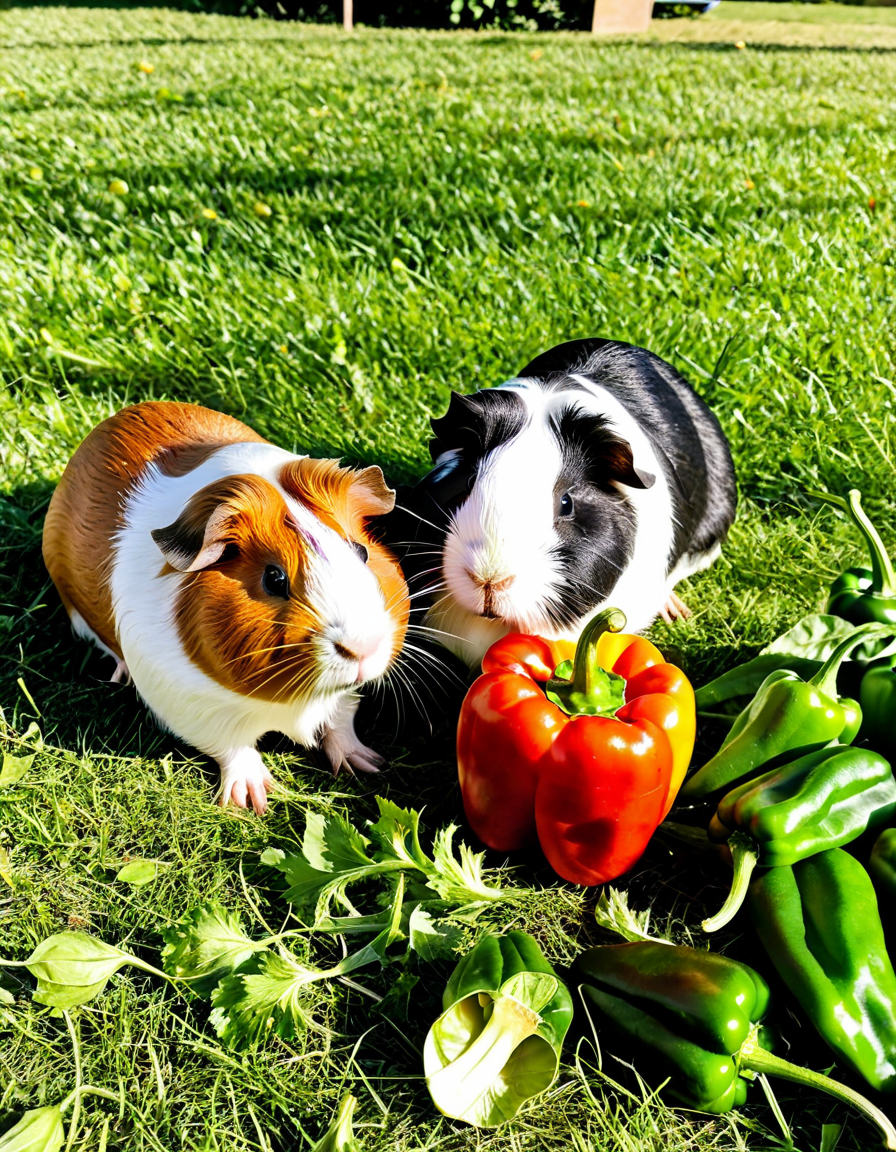
Bell peppers, especially the red ones, are packed with vitamin C—exactly what your guinea pig needs! Unlike humans, guinea pigs can’t produce vitamin C on their own, making it crucial for them to get it through their diet. A single yellow or red bell pepper can deliver up to three times their daily requirement. Isn’t that amazing?
2. Variety of Nutrients
These vibrant vegetables don’t stop at vitamin C. Bell peppers are also loaded with vitamins A, B6, and K along with fiber and powerful antioxidants. This nutrient mix works wonders for strengthening your guinea pig’s immune system while promoting digestive health.
3. Low-Calorie Crunch
With their low calorie and high water content, bell peppers are perfect for your guinea pig’s snack time. Offering them as a treat reduces the risk of obesity, especially crucial since guinea pigs can struggle with weight problems. It’s a win-win for both you and your pet!
4. Hydration Booster
Since guinea pigs are susceptible to urinary health issues, the hydrating nature of bell peppers can really help out. Their high moisture content supports kidney health and prevents dehydration. Keeping your little buddy well-hydrated is essential for overall well-being!
5. Promotes Healthy Eyesight
Bell peppers, particularly red and yellow ones, are rich in carotenoids like lutein and zeaxanthin, which are fantastic for eye health. These nutrients protect your furry friend against age-related eye problems. Who wouldn’t want their pet to have sharp eyesight, right?
6. Prevention of Scurvy
Scurvy is a medical condition caused by a deficiency of vitamin C, which can lead to serious complications in guinea pigs. By including bell peppers in their diet, you’re helping to keep this nasty issue at bay and promoting overall health.
7. Flavor and Enjoyment
Let’s be honest—your pets want tasty treats, and bell peppers are a hit! Their sweet taste and crunchy texture are super appealing to guinea pigs. Mixing up their diet with different flavors encourages diverse eating habits and keeps mealtime exciting.
Can Guinea Pigs Eat Other Vegetables? Exploring Popular Options
While we’ve established that can guinea pigs eat bell peppers, you might be curious about other veggies out there. Here’s a glance at some popular options:
Can Guinea Pigs Eat Green Beans?
Absolutely! Guinea pigs can munch on green beans, but it’s best to serve them in moderation. These beans are another delightful low-calorie option that promotes healthy digestion thanks to their fiber content. Just remember that they’re a bit starchy, so don’t go overboard.
Can Guinea Pigs Eat French Beans?
Yes, French beans (or runner beans) are suitable, but only when cooked and served without any salt or seasonings. Raw beans might pose a digestion challenge for your piggy. Cooking makes these beans safe and easier to eat!
Can Guinea Pigs Eat Tomatoes?
Ripe tomatoes can be offered to guinea pigs in small portions because they contain vitamin C, but be cautious. The leaves and stems of tomato plants are toxic. Moderation is key, as too many tomatoes can lead to tummy troubles.
Can Guinea Pigs Eat Apples?
Of course, apples are safe for guinea pigs! Just make sure to remove the seeds and serve bite-sized pieces. However, keep in mind that apples have sugar, so treat them as an occasional snack rather than a staple food.
Can Guinea Pigs Eat Grapes?
Yes, but grapes should only be fed in small amounts since they are high in sugar. While grapes are hydrating and fun for your pet, overindulgence may lead to weight gain. Treat them like a rare delight, not a daily item!
Wrapping It All Up
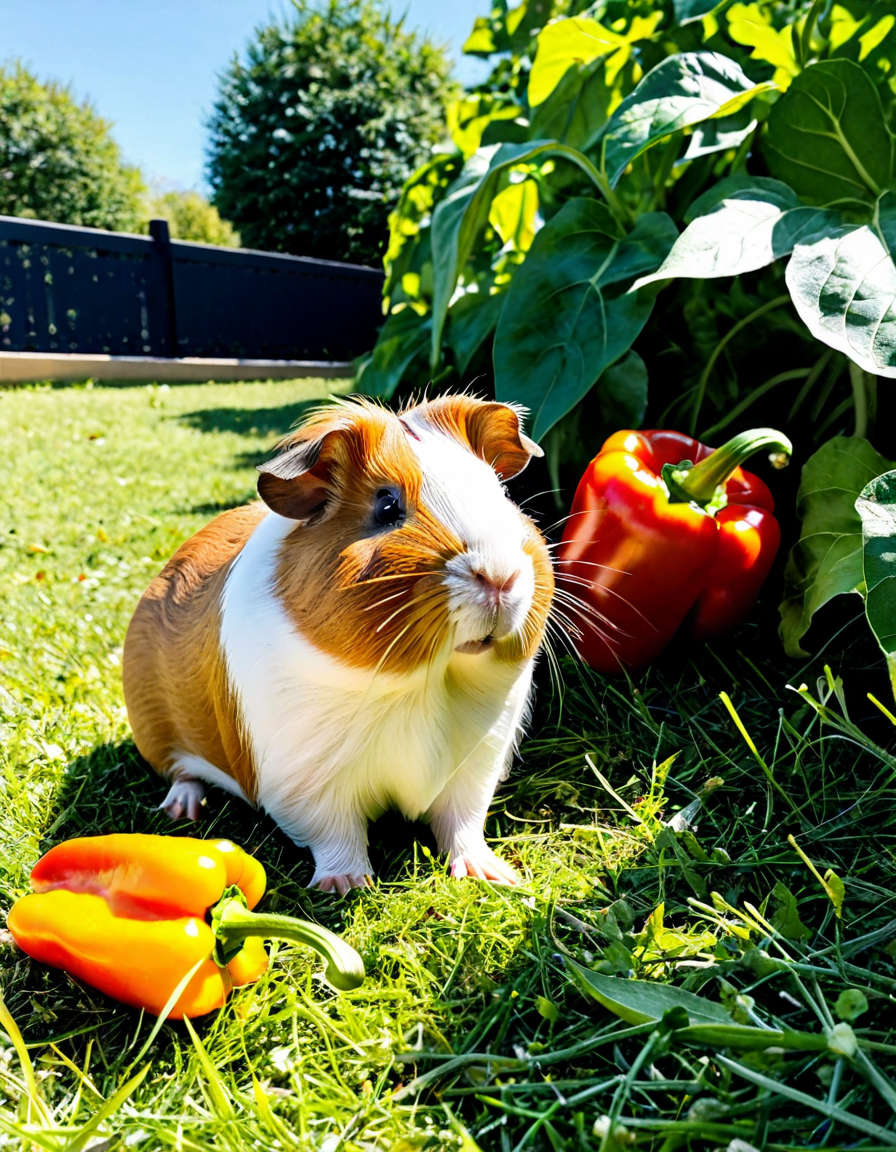
Incorporating bell peppers into your guinea pig’s daily diet is not only safe but also highly beneficial thanks to their nutrient-rich profile. Moderation is the name of the game when introducing new foods. Along with bell peppers, guinea pig owners should also explore a variety of veggies like green beans and fruits like apples or grapes, always keeping in mind each food’s unique benefits and necessary restrictions.
By offering a balanced, nutritious diet, you’re helping pave the way for a happy, healthy guinea pig. As always, it’s best to consult with your veterinarian for personalized dietary advice tailored to your furry companion’s specific needs. Sure, caring for a guinea pig might seem like a challenge at times, but rewarding experiences—like seeing your guinea pig enjoy their veggies—will always make it worth it!
For more on guinea pig care, check out whether can guinea Pigs eat kale or explore useful products like the litter cabinet for effective pet management. Take the leap into providing the best for your little friend!
Can Guinea Pigs Eat Bell Peppers?
When it comes to veggies, bell peppers are a standout for guinea pigs. Not only are they colorful and crunchy, but they’re also packed with vitamins. A fun fact: guinea pigs can’t produce vitamin C on their own, so including bell peppers in their diet can help keep them healthy. These little critters adore all colors of bell peppers—red, yellow, and green—making it a joy to toss some into their food bowl. It’s like watching a game of basketball between the Seattle Supersonics and the Atlanta Hawks; both teams shine, but fans have their favorites! Just like that matchup, guinea pigs might have a preference for bell pepper colors.
Speaking of colors, did you know that the sweeter the pepper, the more vitamins it contains? Red bell peppers have the highest vitamin content, giving your pet that extra health boost. Plus, these peppers are high in water, which aids in hydration—a key factor for a happy guinea pig! Now, if your furry friend turns over their bowl or gives you that Tom Cat cheeks, it’s likely they’re just being picky. Guinea pigs can be whimsical creatures, and variety is the spice of life—variety helps keep them intrigued and engaged.
It’s wise to avoid giving your guinea pig any processed vegetables or those with seasoning, as their little systems can’t handle additives. Think of it like going to Stop & Shop—you wouldn’t want to pick up something that doesn’t belong in your cart! Instead, aim for fresh, whole options. And while bell peppers are stellar, moderation is key. Just as bulldogs have their unique face shapes, every guinea pig has its own dietary needs, so a balanced meal keeps them feeling their best. So, gather up those bell peppers, and remember, a little excitement in their diet can go a long way!