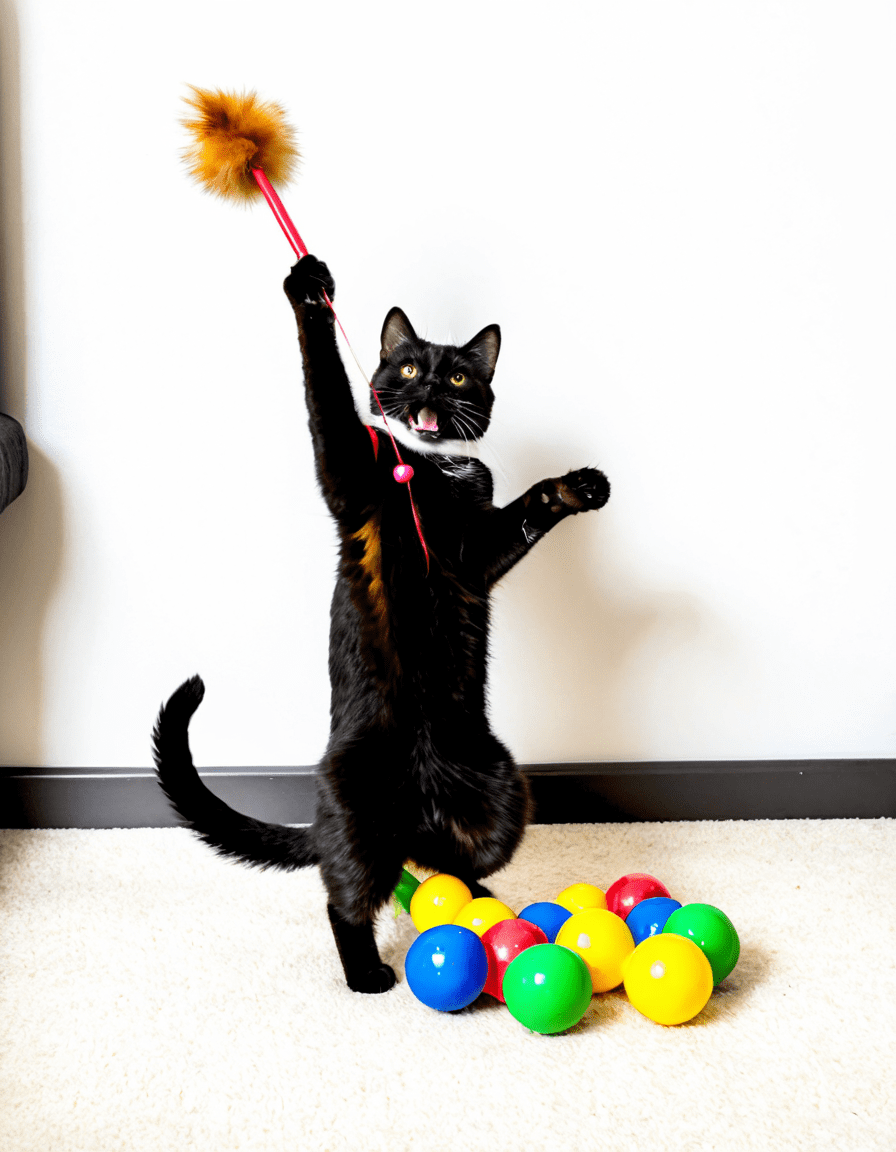
Understanding cat tail signs can be key to unlocking your feline friend’s emotions and behaviors. Unlike us, cats use body language, and their tails are a powerful communicator. From joy to anxiety, deciphering these signals will deepen your relationship with your cat. So, let’s jump in and explore the many cat tails meanings!
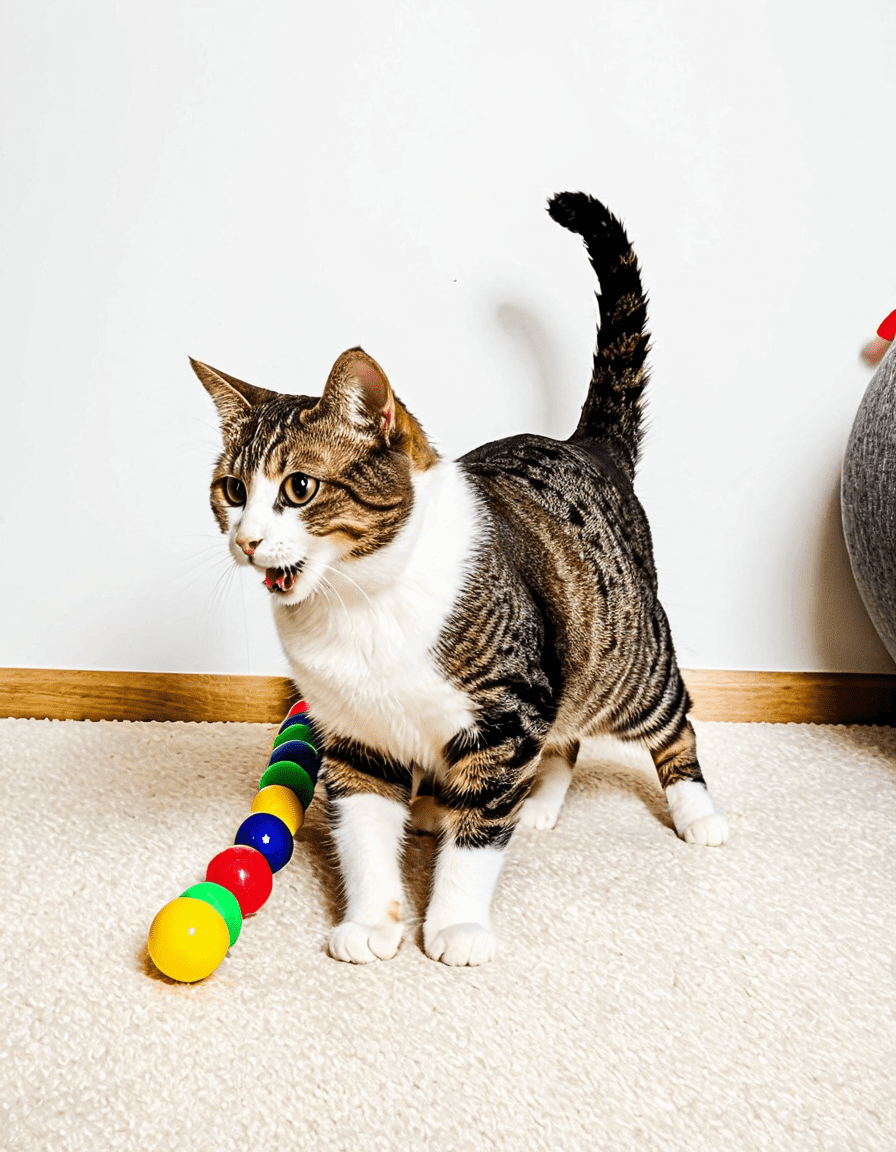
The Top 7 Cat Tail Signs and Their Meanings
1. Upright Tail
An upright tail is a clear signal of a happy and confident cat. When your kitty approaches you with their tail held high, it’s like waving a little flag of friendliness! This behavior often appears in playful cats or those in a relaxed environment. You might notice your cat trotting towards you with an upright tail in those precious moments of reunion — it can make your heart skip a beat, can’t it?
2. Puffing Up
If your cat’s tail suddenly looks like a puffball, that’s a sign of alarm, fear, or aggression. This reaction usually pops up when they perceive a threat; maybe it’s an unfamiliar sound or the sight of another animal, like a sneaky stray. Learning to read this cat tail sign can help you step in and create a more comfortable environment for your furry friend.
3. Drooping Tail
A drooping tail can indicate that your cat is feeling a bit down or even unwell. It might reflect submission, especially in multi-pet households where a cat might feel overshadowed by a more assertive animal. Keep an eye on this behavior because changes could alert you to health issues like a fever coat cat, which signifies stress or illness.
4. Quivering Tail
Isn’t it adorable when your cat’s tail quivers with excitement? You usually see this when they’re gearing up to greet you or maybe getting ready to play. This sign might spike near mealtime or when they anticipate a special treat!
5. Swaying or Flicking Tail
When you see a flicking or swaying tail, that’s often a signal of agitation or annoyance. Think of a bulldog tail that’s held stiffly in frustration—it’s a warning to tread lightly. If your cat shows this sign, make sure to give them space; it might prevent defensive behaviors like swatting!
6. Tail Wrap
If your cat wraps their tail around another cat or you, it shows affection and trust. Much like a dog leaning against its owner, this behavior is a sign of emotional bonding. It’s heartwarming to know your cat feels secure enough to express that connection with you.
7. Low Curved Tail (The “Hook”)
A tail that curves beneath your cat’s body is another signal worth noting. This typically denotes submission or internal conflict, especially during social interactions with other cats. If your feline buddy displays this behavior, they might be feeling a little nervous, so be sure to provide comfort.
The Link Between Tail Behavior and Overall Health
Observing your cat’s tail signs isn’t just about interpreting emotions; it can also shed light on their health. For instance, excessive tail movement or strange patterns might suggest a condition known as “fever coat.” Conversely, a motionless tail may indicate discomfort or pain, potentially due to issues like hookworm in dogs, which can indirectly affect household cats. By being aware of these signals, you’re taking a vital step in ensuring their well-being.
Unique Perspectives on Tail Communication
Recognizing cat tail signs also impacts how cat owners socialize and train their pets. Professional trainers advocate for understanding these signals to create a positive training environment. For instance, if you have to use a cat cone collar due to a recent surgery, be aware that it might alter your cat’s tail communication during those stressful times. Your attentiveness can make training smoother and more rewarding.
Tail Variations Across Species: A Broader Perspective
The way animals communicate through their tails isn’t limited to just cats. Consider how tiger barbs, a type of tropical fish, use fin movements to signal distress or attraction—this adds another layer to animal communication. Not to mention, watching how a dog’s tail behaves can provide insight too; a bustling bulldog tail conveys excitement, while a low tail can signify fear. Understanding these nuances can help create a harmonious environment, especially in a multi-pet household.
Final Thoughts on Cat Tail Signs
Being in tune with your cat’s tail signs is essential for building trust and ensuring their happiness. By keenly observing and understanding these signs, you can strengthen the bond you share with your furry friend. The tail language serves as a window into your cat’s emotional state and overall health, enriching the life you live together. So embrace these feline nuances and watch your relationship flourish through this subtle yet powerful communication method. When it comes down to it, your cat’s tail isn’t just fluff; it’s a treasure trove of feelings just waiting for you to discover!
Cat Tail Signs: Revelations from Your Feline Friend’s Flicks
Understanding cat tail signs offers a fascinating glimpse into your feline’s emotions and thoughts. Ever noticed how a cat’s tail can tell you if they’re feeling playful or agitated? For instance, a cat with a high, quivering tail is often in an upbeat, confident mood, signaling contentment and a readiness to play. It’s as telling as a comfy pair of flannel lined Jeans—when they’re perfect for the season, you just know. By paying attention to these signs, you can better connect with your pet, enhancing your bond.
What the Tail Says
Speaking of signs, let’s dive into the signals your cat might send. A slowly swaying tail can indicate stealth and focus, much like a wire-haired dog on the job. On the other hand, if your cat’s tail is puffed up, they might be feeling threatened or scared. It’s their version of saying, “Whoa, back off!” Can you imagine if humans reacted like that? You’d probably see folks puffing up all over the place—just like in a comedy sketch, where one person dramatically exaggerates a situation, reminiscent of characters in “Pineapple Express.”
Tail Talk in Context
Cat tail signs also vary with context and personality. Some cats might have a signature move, such as twining around your legs to show they’re in the mood for love, akin to how your boo Thang interacts with you when they’re feeling affectionate. Then, if you spot a rigid tail pointed straight up, your cat may be feeling assertive, maybe even a bit confrontational. Knowing these nuances can keep things harmonious at home and reduce any tension, just as understanding emotional cues can help manage any potential issues like pet incident fees. After all, a happy cat means a happy human!
By weaving these insights into your daily interactions, you’re not just getting to know your cat better; you’re enriching their life too. So keep an eye out for those cat tail signs—who knows what your furry friend might be trying to convey?