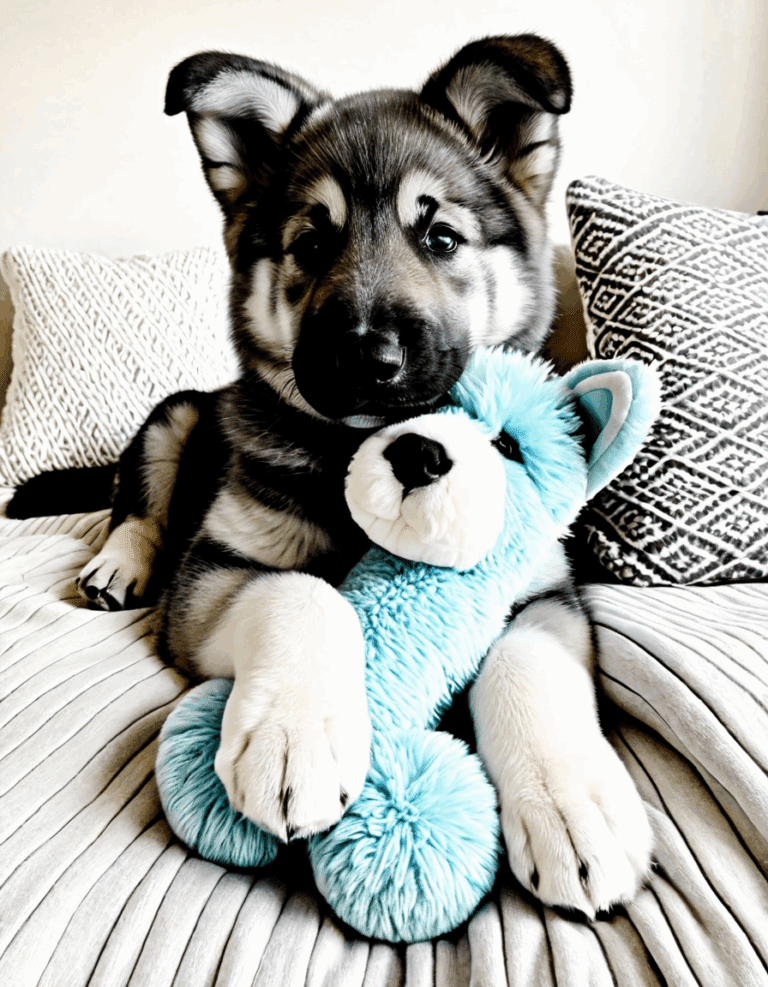
Training your elkhound puppy can be a delightful and enriching journey. These spirited dogs are known for their intelligence, loyalty, and playful nature. They thrive on structure and positive reinforcement, which makes training them not just important but also immensely rewarding. With the right approach and mindset, you can build a lasting bond while nurturing a well-behaved companion. Here are the top seven training tips that will set a solid foundation for your elkhound puppy.
1. Top 7 Essential Training Tips for Your Elkhound Puppy
1. Establish a Routine
Elkhounds flourish in structured environments. Establishing a consistent daily schedule for feeding, potty breaks, and training sessions is critical. With predictability in their day-to-day activities, your elkhound puppy will not only understand what’s expected of them but also gain confidence as they navigate their world.
2. Use Positive Reinforcement
Positive reinforcement is the name of the game when it comes to training an elkhound puppy. Reward desirable behaviors with treats, praise, and plenty of affection. Consider using high-value treats, like freeze-dried liver or high-protein kibble, which can significantly enhance their motivation during training sessions. Brands like Blue Buffalo or Wellness are excellent choices to keep on hand.
3. Short, Engaging Training Sessions
Elkhound puppies are bursting with energy, and longer training sessions may lead to drifting attention. To keep your pup focused, keep sessions short—around 5 to 10 minutes. Engage them with fun activities that challenge both their body and mind to keep their enthusiasm alive.
4. Socialization is Key
Socializing your elkhound puppy from an early age is vital. Expose them to various environments, people, and animals to help them become well-rounded. Trips to dog parks, pet-friendly cafes, or puppy training classes can work wonders to minimize the risk of anxiety later on. Remember, a well-socialized dog is a happy dog!
5. Teach Basic Commands Early
Basic commands like “sit,” “stay,” and “heel” form a solid foundation for obedience. Start teaching these commands around 8 weeks old. Tools like clickers can be incredibly useful, as they help mark the behaviors you want to reinforce. This kind of training provides clarity for your pup, making it easier for them to understand what you expect.
6. Obedience Classes
Consider enrolling your elkhound puppy in an obedience class. These classes provide structure and introduce you to various training techniques. Look for local trainers with positive reviews. For example, classes from organizations like the Karen Pryor Academy can be a great choice for learning how to communicate effectively with your elkhound.
7. Address Behavior Issues Proactively
Don’t ignore early signs of unwanted behaviors, such as chewing, excessive barking, or jumping. Proactive measures are essential for guiding your puppy towards good behavior. Using tools like a dog head cone can help prevent unwanted chewing or access to harmful items while they learn the ropes.
2. Potential Health Risks: Black Widow Bite and Other Hazards
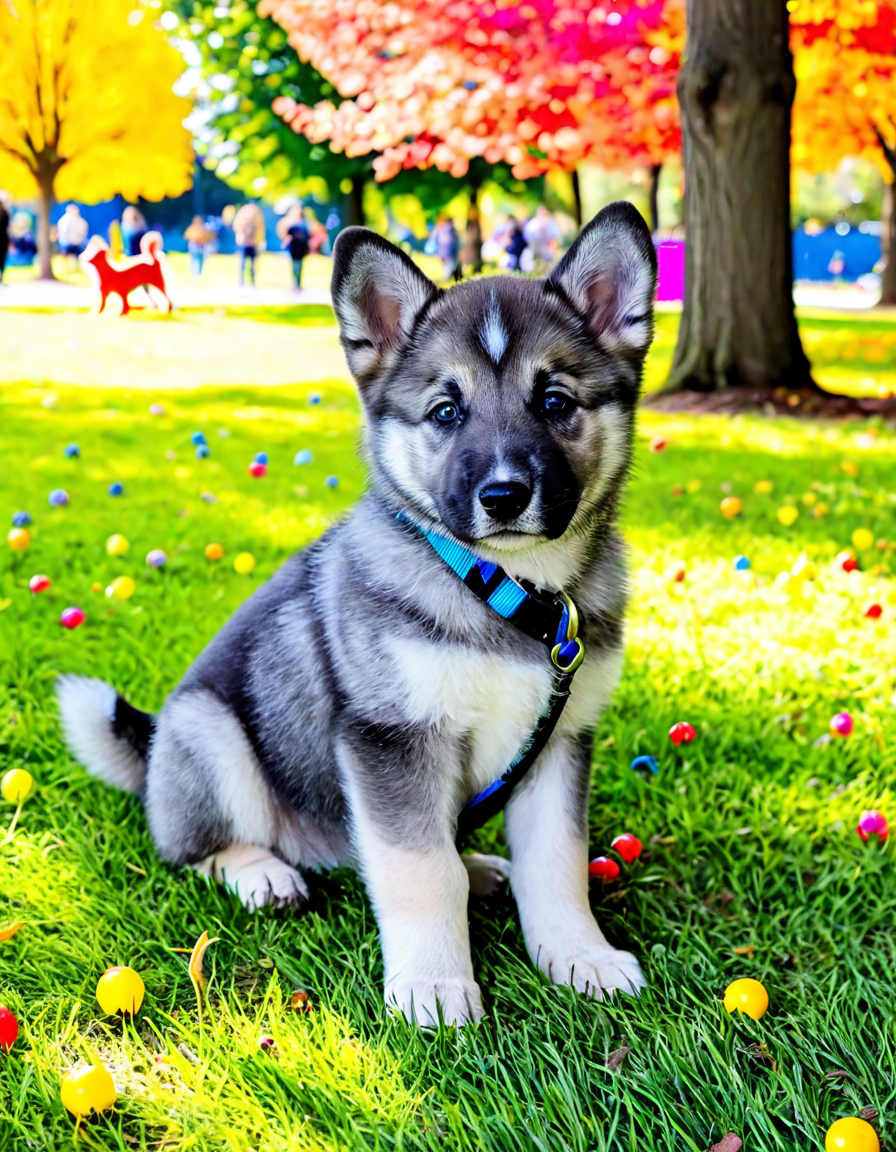
While you’re busy training and bonding with your elkhound puppy, it’s critical to remain vigilant about potential health risks. For example, if you take your pup out for adventures, be wary of their surroundings. Black widow bite symptoms can show up in dogs and may require immediate veterinary attention. If your elkhound shows signs of lethargy or behaves unusually after being outdoors, consult your vet for guidance.
3. Unique Traits of Elkhound Puppies: Chow Dog Tongue Insight
One fascinating feature of elkhound puppies is their distinctive “chow dog tongue.” This blue-black hue resembles that of a chow-chow and is completely natural. There’s nothing to worry about; it’s just one of those quirks that makes your puppy more unique. Plus, you might find it to be quite the conversation starter at your local dog park!
4. Maintaining Your Elkhound Puppy’s Well-being
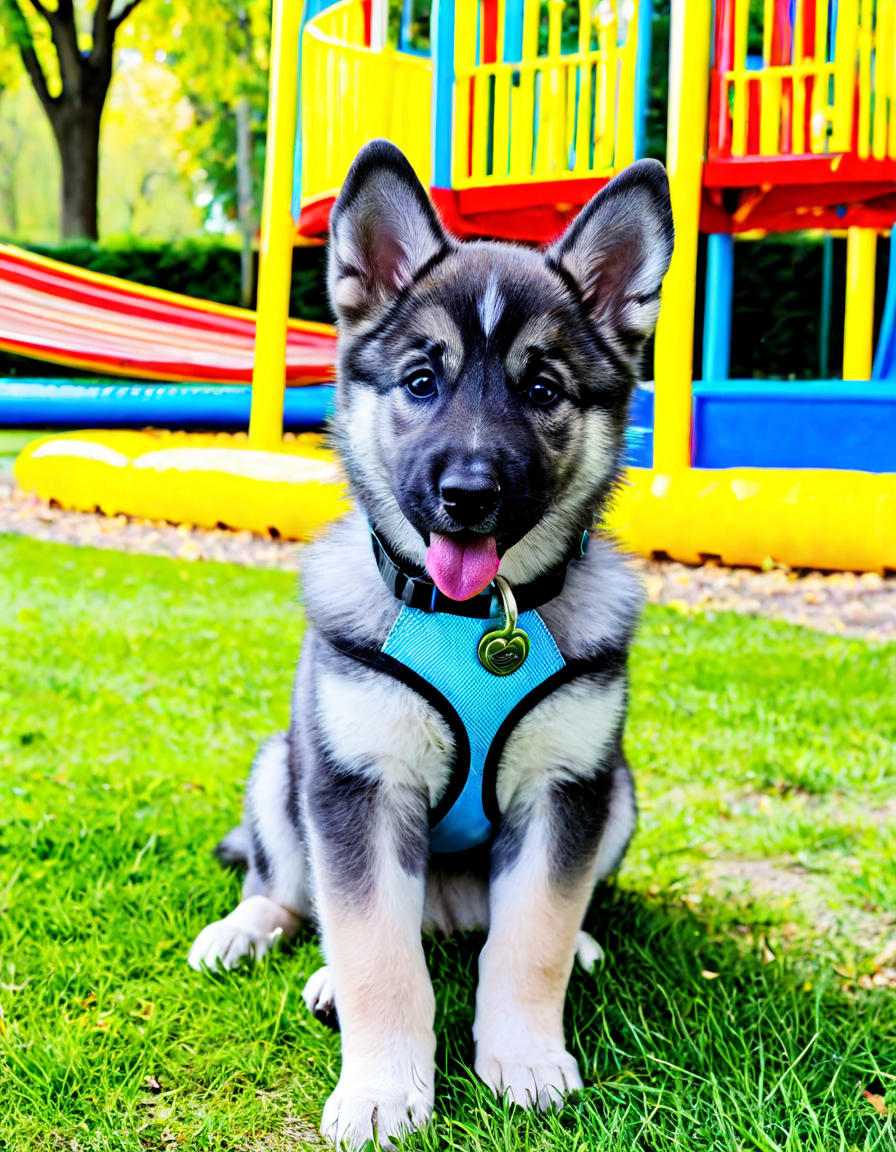
To keep your elkhound puppy healthy and thriving, investing in quality pet care tools is essential. For instance, a dog claw file is an excellent choice for managing your puppy’s nails as they grow. Regularly trimming their nails is crucial since elkhounds are active and love exploring their surroundings; this practice prevents discomfort and possible injuries.
5. Creating a Safe Space: The Rat Cage Alternative
If you want to create a safe living space for your elkhound puppy, consider alternatives such as rat cages to establish a cozy den environment. Although typically designed for small animals, these enclosures can effectively separate your puppy from hazardous areas in your home while allowing them freedom to explore. Just make sure the enclosure is spacious, well-ventilated, and secure.
In conclusion, training your elkhound puppy into an extraordinary companion requires a mix of proper structure, affectionate reinforcement, and awareness of their unique traits. Through patience, effective techniques, and an engaging environment, you’ll cultivate a happy, confident, and well-behaved dog that will enrich your family life. The journey may be demanding, but the joy and loyalty you’ll gain from your elkhound puppy is undoubtedly worth it. Happy training!
Elkhound Puppy Secrets to Training an Amazing Companion
Fun Facts About Elkhound Puppies
Did you know that elkhound puppies are known for their playful and energetic nature? They’re like little bundles of joy with an instinct for adventure. These spirited pups were originally bred in Scandinavia for hunting, which explains their lively demeanor and endurance. Plus, with their keen sense of smell, they excel at tracking scents. Talk about a nose for fun! If you’re ever curious about how your cuddly companion can be as quick as a cat dodging a spider bite, check out some tips on handling a cat spider bite for a little extra insight into pet care!
Speaking of insights, elkhound puppies usually form strong bonds with their families, making them excellent companions. Just like the bond between fans and their favorite artists, take Brittany Howard, whose music resonates with many, elkhound pups thrive on love and attention. As you train your elkhound, remember to celebrate the small victories along the way; it’s a leash of their own and would definitely help to strengthen that bond even further.
Training Tips for Your Elkhound Puppy
Training your elkhound puppy can be a piece of cake—if you know how to approach it! These smart pups respond well to consistent and positive reinforcement methods. As you teach them commands, keep an eye out for possible distractions, just like when you’re trying to avoid bacteria in urine to keep your furry friend healthy. Interruption-free training sessions can lead to success, so aim for a quiet space that’s free of chaos.
Moreover, elkhound puppies thrive in environments where they can explore and play. This means those long walks or playdates are just as vital as any training session. Just like watching Diddy news can keep you up to speed with the latest happenings, staying engaged with your puppy’s needs can help you be the best pet owner. And if your pup ever seems a bit off, don’t forget to check for signs like labored breathing in Cats, which could help you get ahead of any possible health issues.
So there you have it—elkhound puppies are as lively as they come, packed with love and energy, but also require a little extra care and training. Dive into their training journey with patience, love, and a sprinkle of fun trivia along the way!
