Harelip in dogs, clinically known as a cleft lip, is a condition where a dog’s lip fails to develop completely. It can range from a minor notch to a significant split, leaving quite an impact on appearance. But it’s not just about how they look; this condition can bring about numerous health challenges. Dogs with harelip may struggle to feed properly, face increased risk of dental problems, and encounter jaw alignment issues. By grasping the underlying reasons for this condition, pet owners can provide the best possible support for their furry friends living with harelip.
What is Harelip in Dogs and Its Impact on Health?
The developmental stage of a dog is crucial, and when the lip fails to unite correctly, harelip occurs. It can manifest on one side or both, affecting not only aesthetics but also functional aspects like eating and drinking. Some dogs may find it hard to consume food due to the shape of their mouth, leading to nutritional deficiencies if left unaddressed.
Beyond feeding difficulties, harelip can lead to dental misalignments. When a dog cannot close its mouth properly, it often creates a flush of saliva and food around the lips. This excess moisture can contribute to dental issues, including periodontal disease. Moreover, the respiratory tract might also take a hit, as the risk of aspiration pneumonia becomes significant if food or liquid enters the airway.
Top 5 Essential Care Tips for Managing Harelip in Dogs
1. Regular Veterinary Check-Ups
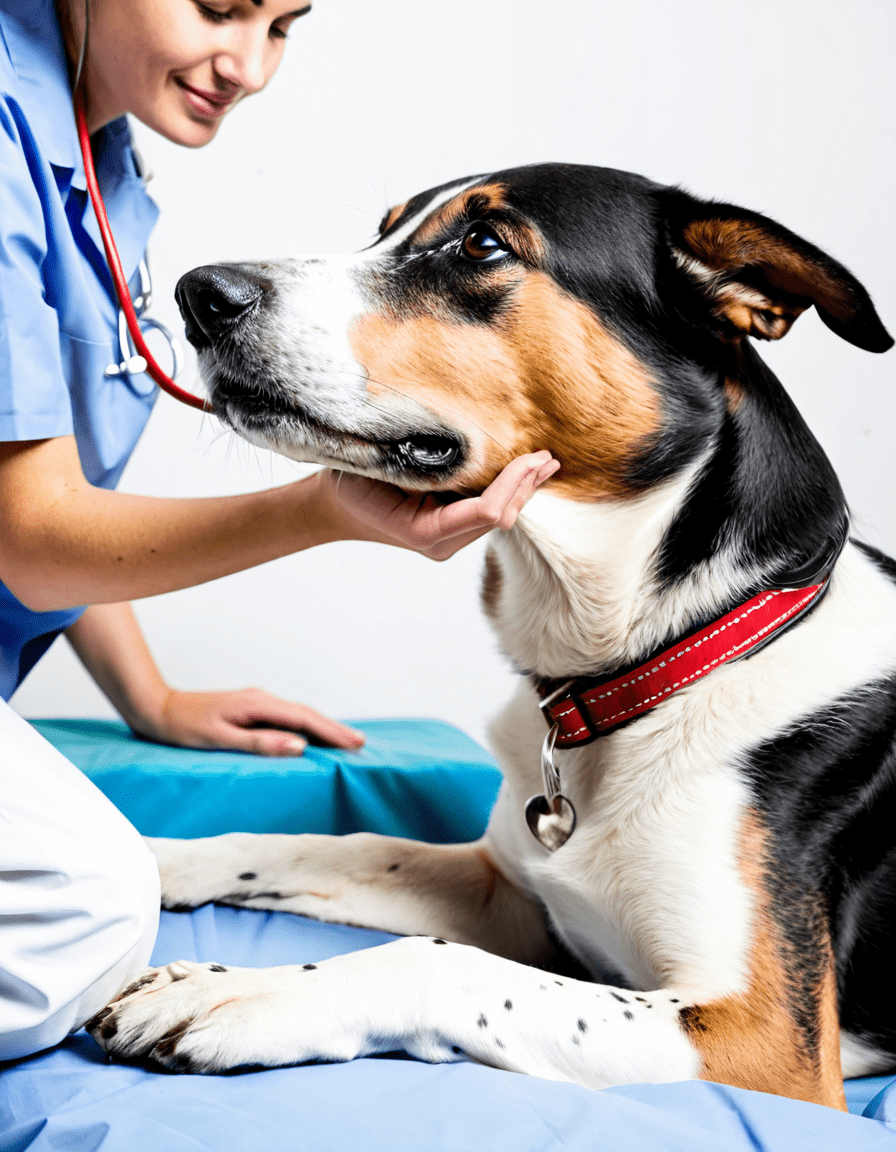
Routine veterinary visits are essential for keeping an eye on your dog’s health, especially with harelip. Vets can catch complications early on, like respiratory difficulties or dental misalignments. Facilities like Banfield Pet Hospital offer tailored wellness plans, ensuring your dog’s ongoing care is a top priority.
2. Optimal Nutrition for Development
Feeding can be a bit tricky for dogs with harelip, so specialized diets might be necessary. Wet foods and home-cooked meals can be easier for them to consume versus dry kibble. Brands such as Hill’s Prescription Diet and Royal Canin provide specially formulated food for dogs with sensitive digestive systems, common in those with structural abnormalities.
3. Hygiene Practices
Maintaining cleanliness around the lips is vital to fend off infections. Regularly inspect the area for food debris or saliva. Gently wiping their mouth with soft wipes or moistened gauze can keep things clean and fresh, preventing any discomfort or potential health risks.
4. Understanding Behavioral Indicators
Keep an eye on any signs of discomfort. If your dog exhibits repetitive actions, like foot licking in dogs, it may indicate stress or pain linked to their condition. Observing these behaviors closely will help you respond to their needs, ensuring they feel more comfortable and secure.
5. Enrichment Activities
Dogs with harelip may experience frustration, which can lead to behavioral concerns. Engaging them with interactive toys or puzzle feeders can provide mental stimulation. These activities not only keep them entertained but also help alleviate potential feeding issues, giving your dog a healthy outlet for their energy.
The Connection Between Harelip in Dogs and Other Digestive Issues
Harelip doesn’t just affect the mouth—it can ripple out to the entire digestive system. Pet owners often notice symptoms like yellow stool in dogs, which is a red flag for digestive upset. While yellow stool can stem from various issues, linking it back to the harelip can be crucial. By assessing diet and digestion holistically, you can make informed adjustments to aid your furry friend’s overall health.

Caring for a Dog with Harelip: Personal Experiences
Pet owner Sarah shares her journey with Bella, her Cavalier King Charles Spaniel born with a harelip. Through online forums and local veterinary groups, Sarah found a community that offered vital information and support. Her experience highlights the importance of personalized care, showing how different approaches can lead to successful management of harelip.
Veterinarian Dr. Emily Chen, specializing in canine dental health, also echoes the value of tailored care. She collaborates with pet owners to create feeding strategies that consider each dog’s comfort level. This collaboration plays a crucial role in ensuring dogs with harelip lead healthy, happy lives.
Embracing Compassionate Care for Dogs with Harelip
Caring for a dog with harelip calls for empathy and understanding. Recognizing their unique challenges can foster a nurturing environment significantly enhancing their quality of life. Regular engagement with veterinary professionals and a commitment to continuous learning about the condition can yield positive results.
Dogs like Bella remind us of the strength and resilience innate to our furry companions. Each harelip case is different; thus, adapting care strategies is vital for meeting these needs. The heartfelt stories of pet owners show how community support enriches the journey of caring for dogs with harelip while strengthening the bond we share with our beloved pets.
By giving our dogs the love and attention they deserve, we not only fulfill our responsibility as pet owners but also learn invaluable lessons about compassion, resilience, and care. For those wanting to delve deeper into topics like the Xolo dog pronunciation, and exploring fascinating breeds while sharing in the joys and challenges of canine life, there’s a whole world of information available at www.PetsDig.com.
Harelip in Dogs: Engaging Fun Trivia and Interesting Facts
The Basics of Harelip in Dogs
Harelip in dogs, also known as cleft lip, is a congenital condition where a puppy’s lip doesn’t form completely. Interestingly, this phenomenon isn’t just limited to dogs; it can occur in various animals, including humans and cats! Speaking of adorable critters, did you know that some breeds can be classified as non-shedding big dogs? These gentle giants often need special attention and care, just like dogs with harelip.
Also, it might surprise you to learn that harelip can vary in severity. Some dogs may have a minor split that only affects their lip, while others could have more extensive facial issues. This condition can greatly influence a dog’s eating habits and social interactions—just like the quirky transformations in movies, like in Kung Fu Panda 2 where characters were challenged to embrace their differences. With proper care and empathy, dogs with harelip can lead enriching lives and thaw hearts with their unique smiles.
Caring for Dogs with Harelip
Caring for a dog with a harelip requires a bit of creativity and patience. For instance, you may find the process of feeding a little messy. Many owners opt for higher food bowls to make dining easier for their furry friends. Sometimes, encouraging playful behaviors during training can help. Picture a dog crawling baby! These cutsie pups often need extra encouragement to feel confident during playtime.
Another notable aspect of harelip in dogs is that it’s often seen in specific breeds. Some mixed breeds, like the Great Pyrenees Saint Bernard mix, can also be prone to this condition. It’s vital to seek veterinary guidance for early diagnosis which can ease any associated complications down the road. The right vet can help navigate dietary adjustments or even refer you to specialists if surgery is required. It’s a bit like the Oshkosh Air Show; the excitement comes with preparation and taking it step by step!
Trivia and Fun Facts
You might not know that harelip in dogs reflects a combination of genetic and environmental factors. This means that while care, diet, and upbringing play a role in a pup’s health, it’s not the sole factor. Just like how some people might experience the side effects of levothyroxine due to their thyroid conditions, a dog’s cleft condition is often beyond their control.
As for those who love a good story, consider that some famous dog movies feature dogs that overcome their challenges, which can serve as inspirational tales for pet parents. Movies featuring beloved actors, like Scarlett Johansson in various roles, often showcase the bond between humans and animals, offering us heartwarming reminders of unconditional love amidst imperfections. With a little understanding and compassion, dogs with harelip can undoubtedly embrace life, and who knows—these unique pups might teach us all a thing or two!