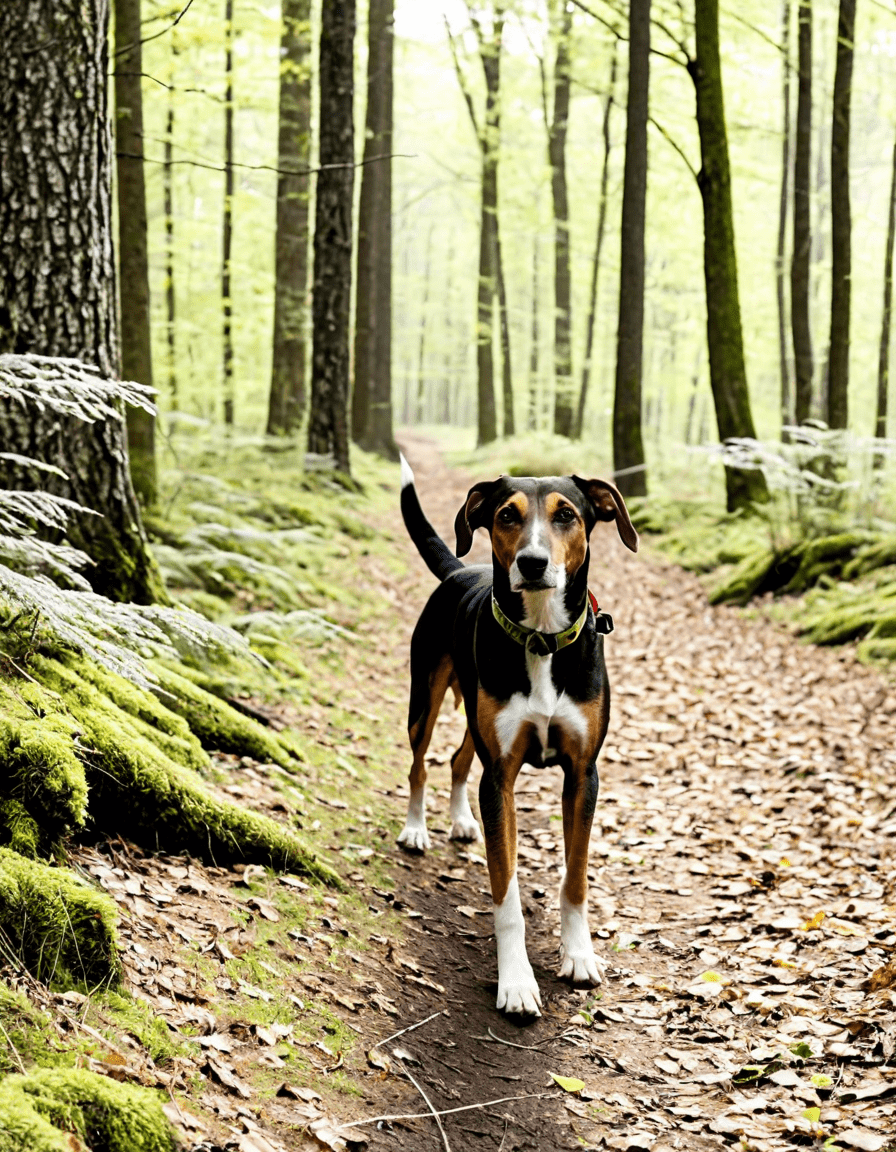
Dogs are often referred to as man’s best friend, but their incredible sense of smell makes them so much more than just adorable companions. So, how far can a dog smell? The answer is mind-blowing. Research indicates that a dog’s sense of smell is between 10,000 to 100,000 times more sensitive than that of humans. Canine noses contain approximately 300 million olfactory receptors, while we only have around 5 to 6 million. This astonishing ability allows dogs to detect specific scents from over a mile away. Whether tracking scents related to drugs, explosives, or even human pheromones, the practical applications of this remarkable skill are virtually endless.
Take, for example, search and rescue dogs, such as those deployed during the tragic earthquakes in Haiti in 2010. These wonderful pups picked up the scents of people trapped under debris, helping save lives when hope was running thin. It’s a perfect illustration of how dogs not only utilize their incredible sense of smell but also impact our world in profound ways.
The Depth of a Dog’s Olfactory World: How Far Can a Dog Smell?
Understanding how far a dog can smell is quite complex because it doesn’t rely solely on raw sensory power. Various factors can influence a dog’s olfactory capabilities, making this fascinating subject even more compelling. For starters, wind speed and direction can dramatically affect scent dispersal. A steady breeze can carry enticing aromas over great distances, providing a helpful hand for our furry friends on scent trails.
The terrain plays a crucial role as well. Open fields can disperse scents widely while dense forests might concentrate them, creating a buffet of smells for dogs.
Key Factors Influencing a Dog’s Scent Detection:
Considering that bloodhounds have exceptional scent-tracking abilities, they’re often cited as the gold standard in scent detection. These phenomenal canines can follow a scent trail days old, covering several miles in the process. Their tracking prowess can lead to success in finding lost individuals and missing pets, reinforcing the significance of understanding “how far can a dog smell.”

The Biology Behind Canine Smell: How Do Dogs Smell?
To appreciate how far a dog can smell, it’s essential to understand the remarkable biology of their noses. The dog’s nose is equipped with intricate structures, such as the vomeronasal organ, which detects pheromones. This area is vital for social interaction within the canine community and serves as a means of communication. In fact, the olfactory bulb, responsible for processing scents, occupies about 12% of a dog’s brain, significantly more than the approximate 1% in humans.
Unique Adaptations of the Canine Nose
As dog owners, understanding these adaptations reminds us how our pets experience the world. When your pup excitedly sniffs everything on their walks, they’re gathering tons of information from their environment.
Beyond Dogs: Comparing Scent Detection in Other Animals
While exploring how far a dog can smell, it’s intriguing to compare this to other pets, like cats, and their unique behaviors. One example is how long should a cat fast before an abdominal ultrasound. Veterinarians usually suggest a fasting period of at least 12 hours to ensure accurate test results.
On a similar note, pet parents often wonder how long a cat is in heat. Typically, this cycle lasts about 4 to 6 days, with signs such as increased vocalization and affectionate behavior that can leave pet owners feeling overwhelmed.
The Olfactory World of Cats
Though cats may not have the same level of olfactory power as dogs, their sense of smell is still quite impressive. With approximately 50 to 80 million odor receptors, they engage with the world, absorbing their unique environments and navigating social situations within their species. Understanding these patterns can be useful for pet owners, especially when working with their veterinary professionals.

Real-World Applications of a Dog’s Incredible Sense of Smell
The extraordinary abilities of dogs’ noses aren’t just interesting facts; they also drive real-world applications. Law enforcement, military units, and even conservation efforts utilize this impressive olfactory power. The Transportation Security Administration (TSA) employs trained canines at airports to sniff out explosives and narcotics. These efficient pups play a crucial role in keeping public spaces safe.
In the realm of conservation biology, certain dog breeds are even trained to locate endangered species or invasive plants, highlighting the societal value of understanding how far a dog can smell. From sniffing out contraband to helping in ecological efforts, our canine companions prove their worth time and again.
The Future of Canine Olfaction: Research and Potential Advancements
As science marches forward, researchers are diving deeper into the possibilities offered by dogs’ remarkable noses. There’s ongoing exploration into how dogs can assist in medical diagnostics, potentially detecting diseases like cancer or diabetes through scent analysis.
The Future Potential
The prospect of using a dog’s sense of smell as a valuable tool in healthcare can lead to groundbreaking methods for detecting diseases sooner than ever.
Innovative Wrap-Up: The Olfactory Revolution
Understanding how far a dog can smell is not just a fun fact; it’s a critical aspect of the diverse roles they play in our lives—from affectionate companions to life-saving service animals. As we explore the science behind canine olfaction, we uncover their unparalleled capabilities.
Recognizing and respecting these extraordinary senses fosters a deeper bond between humans and dogs while encouraging us to harness their skills for various benefits, including healthcare and public safety. The incredible truth about how far a dog can smell reminds us of the special connection we share with our furry friends.
Whether you’re a seasoned pet owner or just considering bringing a dog into your life, embracing their remarkable olfactory abilities can surely enhance your relationship. Here’s to our best friends with their majestic noses—may we always appreciate the incredible truth behind how far they can smell!
How Far Can a Dog Smell: The Incredible Truth Behind It
The Vastness of a Dog’s Nose
When it comes to how far a dog can smell, the answer might just blow your mind! Dogs have an olfactory system that’s on a whole different level than ours. Their noses have around 300 million scent receptors, while humans only have about 5 million. This means dogs can detect smells at concentrations nearly 10,000 to 100,000 times lower than what we can perceive. Imagine, a dog could sniff out a single drop of blood in an Olympic-sized swimming pool! This remarkable ability underscores why dogs are trained for search and rescue, daily helping find lost persons or tracking down important scents. Just like the intricacies involved in understanding conditions such as ketoacidosis in Dogs, their sense of smell plays an essential role in their health and well-being.
Fun Facts About Doggie Sniffers
Now, let’s dive into some fun trivia! Did you know that certain breeds excel in scent detection? For example, Bloodhounds are famous for their tracking skills, often leading to finding missing persons, even if the scent trail is days old! It’s a bit like how we might notice a familiar tune in a crowded café, tinkering memories tied to different notes. And get this: research indicates dogs can even sniff out certain human diseases, such as cancers and diabetes, thanks to their extraordinary ability to detect smells that we can’t even fathom. It’s kind of wild to think a dog’s nose could outperform the latest technology—just like the fascinating artistry seen in La Esquina, you discover the unique talents reflecting their environment.
The Science Behind the Sniff
So how far can a dog smell? While that distance can vary by breed and individual, dogs can detect scents from miles away under the right conditions! Factors like the terrain, weather, and the wind can amplify or diminish a scent’s reach. The scent travels on air currents, and just like a long-haired rabbit’s fur tends to catch the breeze, scents can travel, making their way to a dog’s eager nose. It’s a dance of molecules! Interestingly, these furry detectives can even differentiate between scents, like picking out the familiar smell of their favorite human from a crowd, akin to how a movie buff might recognize Lynsey Bartilson from her roles.
In summary, the staggering ability of dogs to smell not only highlights their incredible nature but also reminds us of the importance of their training and health—after all, like managing paresis in Cats, every detail counts. So, whether you’re taking your dog on a nature walk or simply enjoying some couch time, take a moment to appreciate that little marvel sitting beside you. After all, next time you wonder how far can a dog smell, remember that there’s a whole world of scents just waiting to be explored!