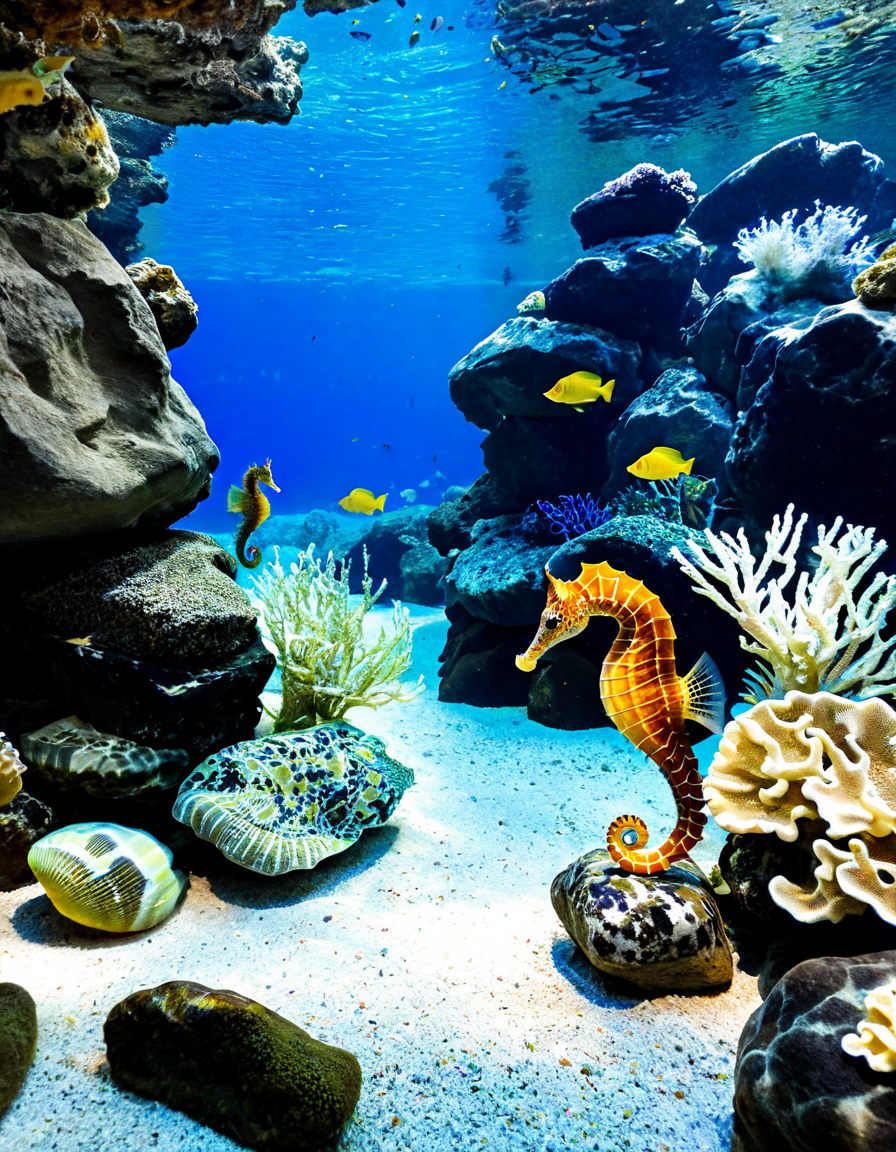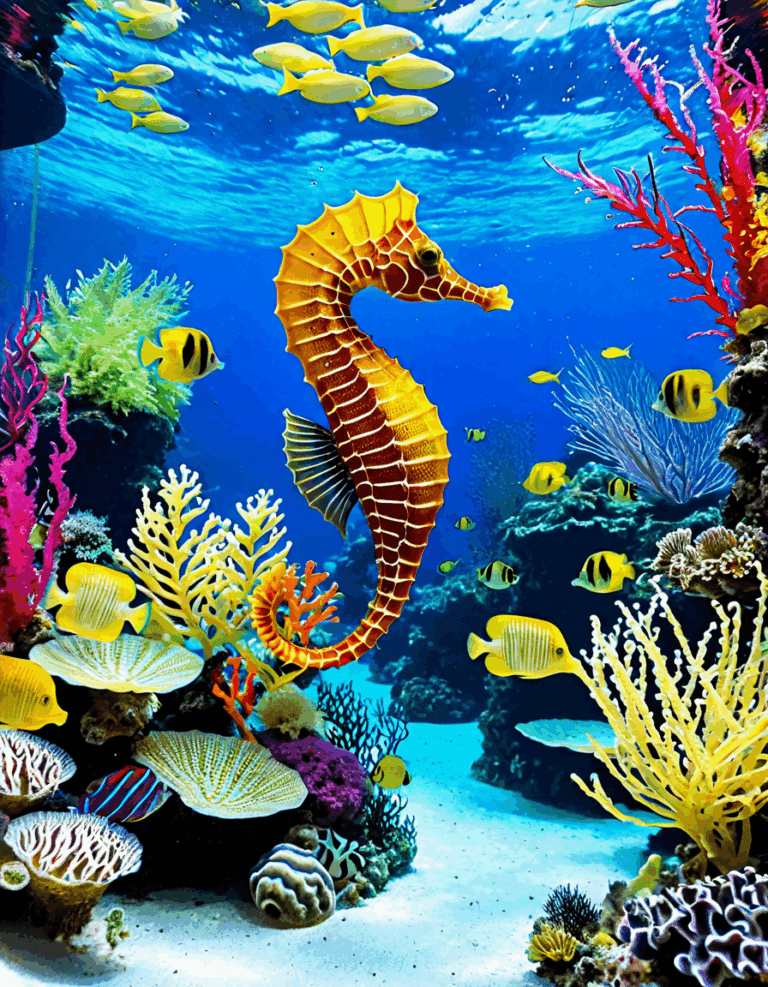
Setting up a seahorse tank can feel like embarking on a fascinating adventure. From their enchanting appearance to their unique behaviors, seahorses bring a touch of magic to aquariums. However, creating a suitable habitat for these delicate marine creatures isn’t as simple as throwing in a few rocks and water. It’s essential to follow expert recommendations and ensure that these captivating animals thrive. Let’s dive into 7 mind-blowing seahorse tank tips that will elevate your seahorse-keeping game to new heights!
1. Choosing the Right Tank Size and Environment
Many believe that a small aquarium is sufficient for keeping seahorses. In truth, a minimum of 30 gallons is required. Larger tanks not only provide more space but also promote a stable environment, which is crucial for these sensitive creatures. When designing your seahorse tank, replicate their natural habitat by including plenty of macroalgae and seagrass. This greenery not only enhances the tank’s aesthetics but also offers hiding spots for these shy critters.
In terms of equipment, proper filtration is paramount. Seahorses are vulnerable to ammonia and nitrite spikes, so investing in a reliable filtration system can make all the difference. If you’re wondering about options, look into brands like Fluval or Marineland that provide excellent filtration tailored for marine tanks.
Don’t forget about lighting! Proper illumination, imitating their natural light cycles, helps seahorses thrive. Choosing LED lights designed for aquariums will enhance the beauty of your setup while contributing to the overall health of your tank.
2. Perfecting Water Parameters
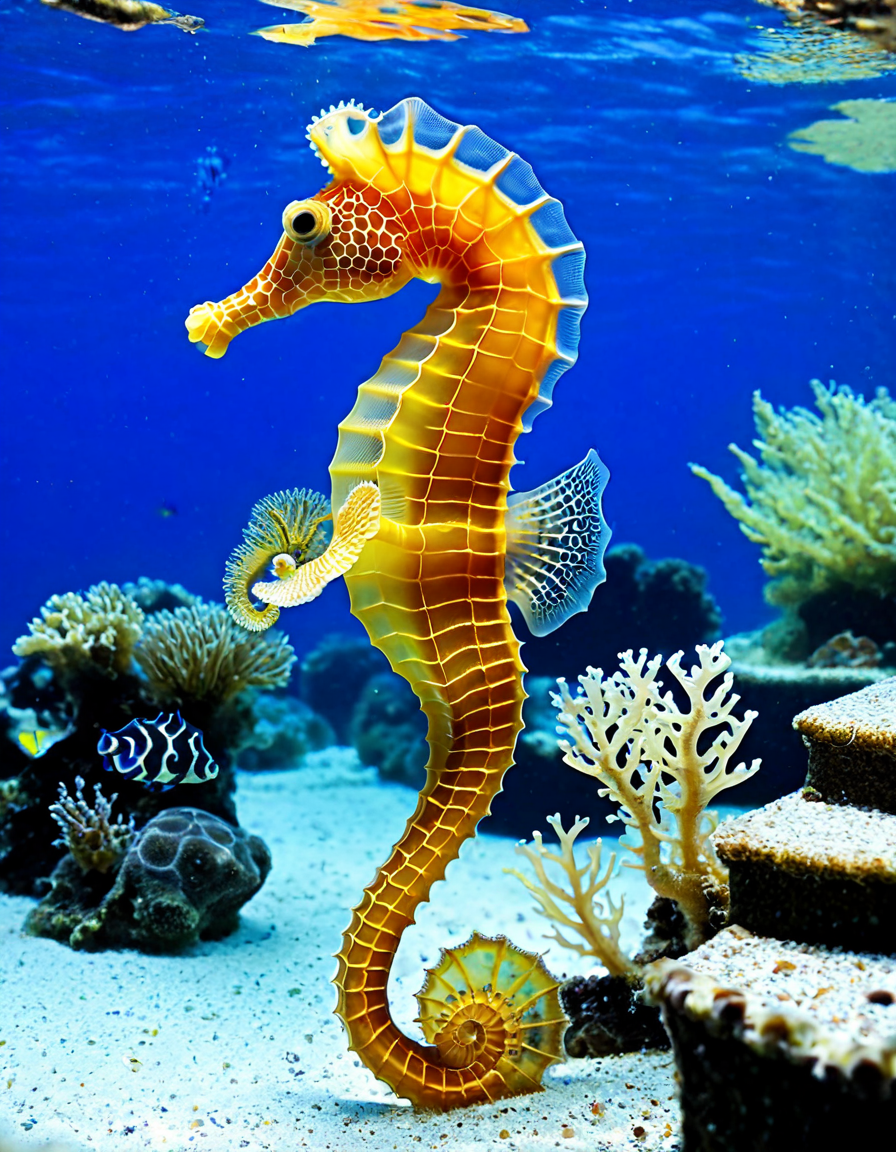
Water conditions can make or break your seahorse habitat. Maintain salinity between 1.020 and 1.025, and keep the temperature comfortable at around 72°F to 78°F. Investing in water testing kits, such as those from AquaCraft or API, pays off in spades. Regular checks will help you catch any fluctuations before they lead to problems.
Stability is key here. When you notice changes in parameters, act quickly but cautiously. Sudden shifts can provoke stress or illness in seahorses, so gradual adjustments are always the way to go. Remember, a happy seahorse is a healthy seahorse!
Lastly, you might want to consider using RO/DI (reverse osmosis/deionized) water. This ensures that your water is free from unwanted contaminants, providing a pure environment for your seahorses to flourish.
3. Compatible Tank Mates: Myth vs. Reality
The allure of a colorful seahorse tank often includes the thought of adding other fish for visual variety. However, it’s crucial to know that not all fish can coexist peacefully with seahorses. Species like clownfish or damselfish can exhibit aggressive behaviors, jeopardizing the tranquility of your tank.
Good choices for tank mates include certain gobies, which are peaceful and don’t pose a threat to seahorses. If you’re considering pairing them with other seahorses, look for species like Hippocampus reidi that coexist well with dwarf varieties. This way, you’ll create a harmonious ecosystem that showcases the unique attributes of each species while preventing conflicts.
Keep in mind the behavioral traits of any potential new additions. Monitoring interactions regularly will help you catch any signs of aggression and adjust accordingly.
4. The Art of Feeding Seahorses
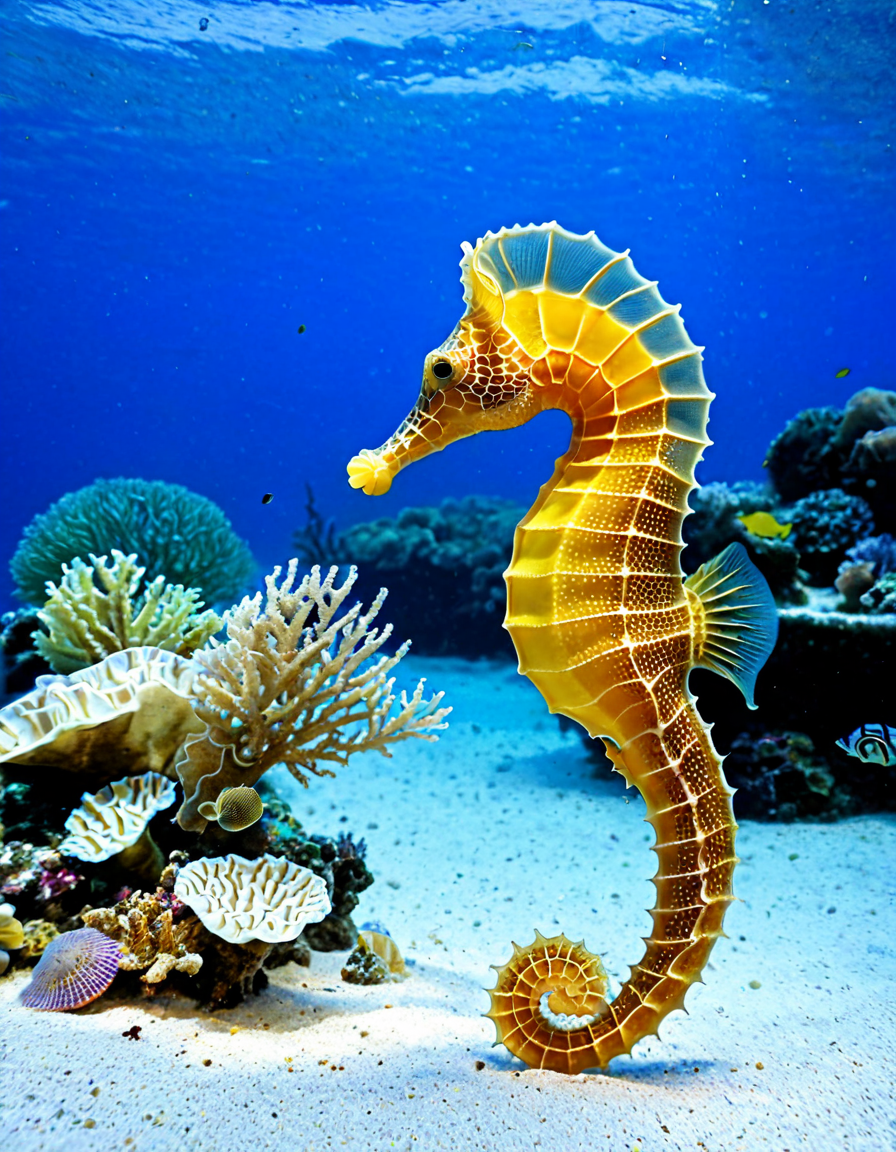
Feeding seahorses presents a unique set of challenges. These creatures often prefer live foods, making options like brine shrimp and blackworms favorites. However, many owners successfully transition their seahorses to frozen foods like Mysis shrimp, which provides nutritional balance and convenience.
Brands such as Hikari Frozen Mysis Shrimp come highly recommended for quality. Watch your seahorses as they eat; their feeding habits can provide insights into their health. Overfeeding can lead to water quality issues, so aim for moderation and variety in their diet for optimal health.
Mixing in some fortified foods can enhance their nutritional intake. Ensuring a balanced diet doesn’t have to be complicated—just pay attention to what they enjoy!
5. Engaging Tank Decor and Breeding Cues
When it comes to tank decor, remember it’s not just for looks. Natural elements like rocks and corals can serve as breeding grounds. Male seahorses go through pregnancy, creating a fascinating dynamic in your aquarium. To encourage breeding, provide plenty of hiding spots where they can feel secure.
Interestingly, altering light conditions in your tank can stimulate breeding behaviors. When males display their elaborate courtship dances, it’ll be a sight to behold! Timing the lighting changes to mimic dawn and dusk can prompt these beautiful interactions, enriching your aquarium experience.
Decor choices should align with the needs of your seahorses. While vibrant colors look appealing, prioritize items that contribute to the overall health of your tank first.
6. Disease Prevention and Management
Seahorses are prone to various diseases, including bacterial infections and parasites, which can be devastating. Preventative measures go a long way in keeping them healthy. Regular water changes significantly improve water quality, thus making it harder for diseases to take hold.
When introducing new seahorses to your tank, always set up a quarantine tank. This practice will help prevent any potential outbreaks before they affect your entire population. Consider using products like Fish Doctor Antibacterial, which are effective in combating infections.
Monitoring your tanks for signs of distress such as unusual swimming patterns or changes in coloration helps catch issues early. Your proactive approach will pay off in your quest for a thriving seahorse tank.
7. Learning from Beach Ecology: American Toad Trackplate
Understanding the ecology of seahorses can be enriched by studying local wildlife, such as the American toad. Using trackplates to observe their behavior in natural environments can provide valuable insights. This knowledge can be applied back to your seahorse tank to tailor conditions that mimic their habitat.
By comparing seahorses and toads, you may discover similarities in their habitat preferences and interactions with their environments. Observing behavior patterns can help refine your own tank set up to cater to what your seahorses need most.
Researching local ecosystems not only enhances your understanding but also inspires your tank design and promotes a deeper appreciation for marine life.
The Fascinating Link Between Bearded Dragons and Seahorses
Though bearded dragons are land-dwelling reptiles, they share similarities with seahorses regarding habitat creation. A bearded dragon tank size of about 40 gallons emphasizes the importance of space—just like with seahorses. Proper conditions are essential for both creatures, linking these two worlds in unexpected ways.
In a bearded dragon environment, factors like ventilation and heat sources become crucial. Similarly, managing water quality and filtration in your seahorse tank helps create an ideal setting. Learning about bearded dragon food nonos, such as avoiding excessive spinach or fruit, can also provide insights into proper nutritional care for marine life.
This cross-species understanding enhances your experience as a pet owner. By applying the best practices of one type of habitat to another, you can become more adept at caring for both!
Unique Insights on Building a Vibrant Community
If you’re in areas like Vancouver, WA, connecting with communities such as rex cats enthusiasts or aquarium clubs can elevate your aquatic knowledge. These local groups foster the exchange of resources, from rare corals to valuable tank management tips.
Joining aquarium clubs opens up a world of insights. Engaging with fellow enthusiasts leads to collaborative problem-solving and sharing experiences that can enrich your understanding of seahorse tank formulations and maintenance techniques.
Through the insights shared in this article, budding seahorse keepers can refine their skills and build mesmerizing underwater landscapes. By dedicating time and effort to their needs, you’re not just fostering a hobby; you’re diving into a community that cherishes marine life as much as you do. Together, let’s appreciate our planet’s aquatic marvels.
Seahorse Tank Secrets That Will Blow Your Mind
Dive Into Seahorse Facts
Did you know that seahorses are one of the only animal species where the males carry and nourish the babies? This amazing role reversal happens in their brood pouch, and it showcases just how truly fascinating life is in a seahorse tank. A well-maintained seahorse tank mimics their natural habitats, providing plenty of hiding spots and gentle currents to keep your little swimmers happy. Speaking of fascinating animal behaviors, did you ever wonder about the milk snake enclosure needs? Just like setting up for a milk snake, balance is key when creating your seahorse environment.
Another delightful tidbit: seahorses can change color to blend in with their surroundings, a neat trick that helps them avoid predators! Their ability to adapt is quite a showstopper in the aquatic world. If you’re enchanted by this mix of adaptability and charm, maybe you’d appreciate reading about the german shepherd dobie mix and how different breeds come together, much like colors across a vibrant reef.
Unique Tank Setup Tips
Let’s talk about the essentials of setting up your seahorse tank. Besides water temperature and quality, you’ll want to incorporate live plants and perhaps a few corals, which not only make for an eye-catching display but also provide a natural environment. A proper setup can have you channeling your inner Athena, goddess of wisdom, as you create a sanctuary for these awe-inspiring creatures. Just like an aussie mix dog needs the right training and space, seahorses thrive in thoughtfully arranged spaces.
Fascinatingly, seahorses are generally monogamous and often engage in daily courtship dances, which reinforces their pairs. This dynamic is reminiscent of how much we celebrate stories of love in best autobiographies. You might come to realize that your seahorse tank is not just a home for aquatic wonders but a living testament to relationships in the wild.
Keeping Things Fresh
To keep your seahorse tank happy and thriving, it’s essential to do regular maintenance—but it doesn’t have to be a chore! Engaging with your tank can be just as rewarding as adding high-tech gear like sitka gear for your outdoor adventures. Routine water changes keep the environment fresh, and knowing the right time to swap out decor or add new plants can rejuvenate your setup just like freshening up your wardrobe. Plus, keeping an eye on the water parameters is key to the health of your seahorses, similar to how one would monitor a fresh chat ur ate experience.
Fun fact: seahorses are more closely related to fish like pipefish than to traditional fish species. So, when you’re admiring their grace, remember that these quirky critters have a lot in common with some unexpected relatives. If you’re intrigued by remarkable creatures, consider exploring how the red ranger represents camaraderie and adventure, much like seahorses form bonds in their watery world. A well-crafted seahorse tank can truly turn your aquarium into a breathtaking underwater narrative.