Stringhalt in horses is a perplexing and distressing condition that affects equine movement, often leading to visible abnormalities during their stride. This neurological issue triggers involuntary flexion of a horse’s hind leg, resulting in an unusual, exaggerated lifting of the leg. It’s crucial for horse owners and enthusiasts alike to understand how stringhalt manifests, the potential causes, and the available care options to ensure the continued health and performance of the horse.
Understanding the anatomy and physiology of horses helps in recognizing stringhalt’s effects. When affected, horses may experience difficulties with coordination, disrupting their overall agility and athleticism. Though stringhalt is primarily a hind limb disorder, it can impact a horse’s spirit and willingness to work, which can be frustrating for both horse and owner.
Common Causes of Stringhalt in Horses
Stringhalt can arise from a variety of causes that horse owners should be aware of. Educating yourself about these factors can lead to better management strategies for your equine companions.
Knowledge of these causes empowers horse owners to take preventive measures. Regular veterinary check-ups can help you spot signs of Cushing’s in horses early, thus avoiding complications like stringhalt.
Recognizing Clinical Signs of Stringhalt
Identifying stringhalt in your horse requires keen observation of their movements. Clinical signs typically involve noticeable pacing and gait abnormalities that might warrant concern.
To effectively monitor your horse, ensure you’re maintaining a consistent routine and note any behavioral or physical changes. Such diligence can make a significant difference in early identification and timely intervention.
Diagnosis: The Path to Understanding Stringhalt
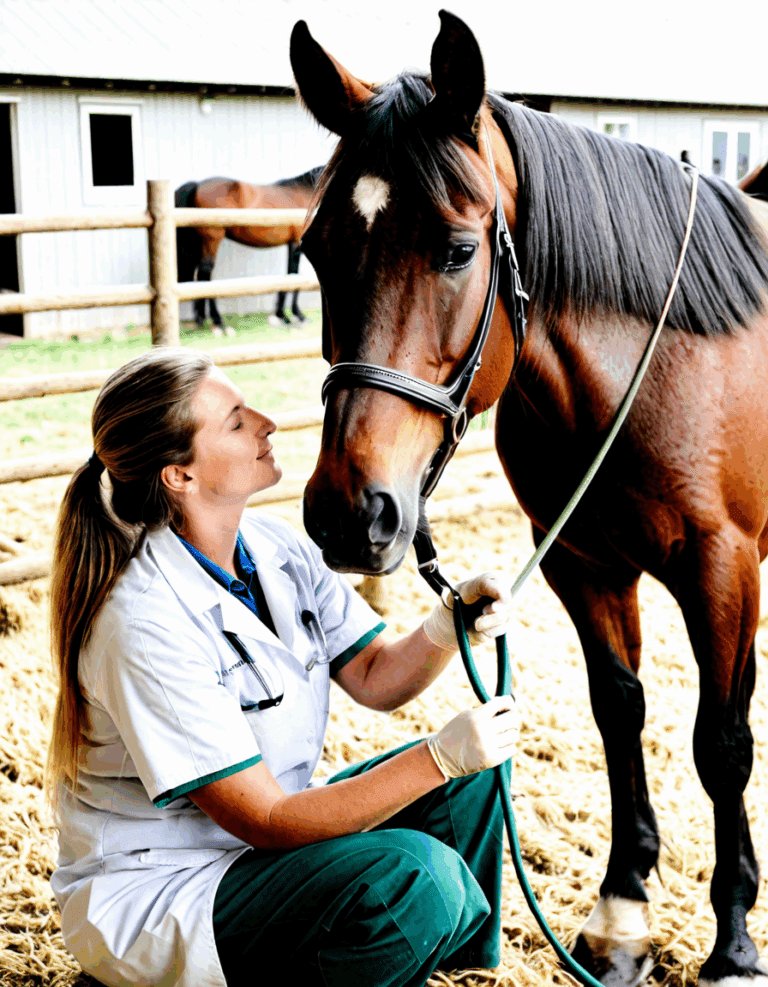
To diagnose stringhalt, a thorough veterinary assessment is essential. Expect your veterinarian to conduct a complete evaluation, which often includes neuro-muscular examinations.
Understanding the diagnostic process is crucial for horse owners. The sooner you can identify stringhalt, the quicker you can go about managing it effectively.
Treatment Options for Stringhalt in Horses
Managing stringhalt often requires a multifaceted approach. Treatments can range from veterinary-prescribed pharmaceuticals to natural remedies and dietary changes.
Being proactive in the treatment of stringhalt can substantially improve your horse’s comfort and mobility. Don’t hesitate to explore various treatment avenues, consulting with your veterinarian along the way.
Integrative Care: The Role of Supplementation
Supplementation plays a pivotal role in managing stringhalt effectively. Integrate specific products into your horse’s care regimen for optimal results.
Understanding the importance of supplementation offers horse owners additional avenues for care. By being proactive about your horse’s overall health, you can improve their quality of life.
Prevention Strategies for Stringhalt
Preventing stringhalt hinges on several strategic practices that promote the overall well-being of your horse.
By taking these preventive measures to heart, horse owners can foster a healthier, more balanced life for their equine companions.
Innovative Wrap-Up: Looking Ahead in Equine Health Management
As we look to the future of equine health management, staying informed about emerging treatments and preventative strategies is vital. Integrating nutrition, veterinary care, and alternative therapies can significantly enhance the lives of horses grappling with stringhalt.
Continued education and awareness of recent research and holistic care practices pave the way for healthier, more active lives for our beloved equine companions. By doing your due diligence and actively engaging in your horse’s care, you’re setting them up for success—both on the field and off. With a well-rounded approach, the journey towards management and prevention of stringhalt in horses can lead to a brighter future for horses and their owners alike.
For more information on pet health, including conditions like Golpp in Dogs and animal care tips, visit Pets Dig. Your horse’s health depends on the education and care you provide.
Stringhalt in Horses: Fun Trivia and Interesting Facts
Striking Movements and Curious Causes
Did you know that the name “stringhalt” itself suggests a certain zip in a horse’s step? This irregular movement, often seen as a sudden lifting and jerking of the hind leg, can be startling for both horse and rider. Interestingly, the causes of stringhalt in horses can range from nerve damage to dietary factors, such as the ingestion of plants like hypochoeris radicata, known colloquially as flatweed. Speaking of interesting conditions, the canine world poses its own set of questions, like how long can a dog go without food and water? Many pet owners ponder these concerns.
Moreover, a lesser-known fact about stringhalt is its connection to geographical areas. Some regions, notably parts of Australia, report higher incidences of this condition due to the abundance of certain plants. While researching diverse animal conditions, you might stumble upon unique phrases like bite a bit, a quirky way to describe a horse’s feeding habits that also highlights their playful nature.
Signs to Spot and Care Factors
It’s vital for horse owners to recognize stringhalt’s symptoms so they can provide suitable care. If you notice a horse bumping against objects or having difficulty backing up, you may need to consult a veterinarian. Remarkably, stringhalt can sometimes resolve on its own, but if not, treatment options range from dietary adjustments to surgical intervention in severe cases. In the broader spectrum of animal care, veterinarians often advise on topics like the best diets for various pets—just think of how pivotal it is for all animals, like the gentle German Shepherd Alsatian dog.
Another cool trivia nugget is that stringhalt could be more common in certain breeds, much like how athletes, including basketball stars such as Josh Christopher, sometimes face specialized training or conditions due to genetics. So, just as sports enthusiasts might fine-tune their practices, horse owners must pay close attention to their horses’ movements and diets to avoid this hiccup in their gait.
Recovery and Treatment Insights
Fortunately, there’s hope for horses affected by stringhalt! Treatment often includes physical therapy or controlled exercise to help restore muscle function. Caretakers who utilize positive reinforcement methods, akin to those you’d use to lick peni in more affectionate animal interactions, often find success in gentle training routines. Additionally, early intervention can make a world of difference. Just as anyone might need a reliable definition of terms that come up in care discussions, horse owners should keep abreast of treatment updates.
Ultimately, horse health reflects broader wellness trends seen in various species. Learning about stringhalt in horses doesn’t just enrich your understanding of these majestic creatures; it links you to a larger community of animal lovers who share information and support one another, just like finding heartwarming stories or expert insights in platforms that explore nurturing our pets. So next time you see a horse take a sudden step, think about the interesting causes behind it and how a little knowledge can go a long way in ensuring their health and happiness!