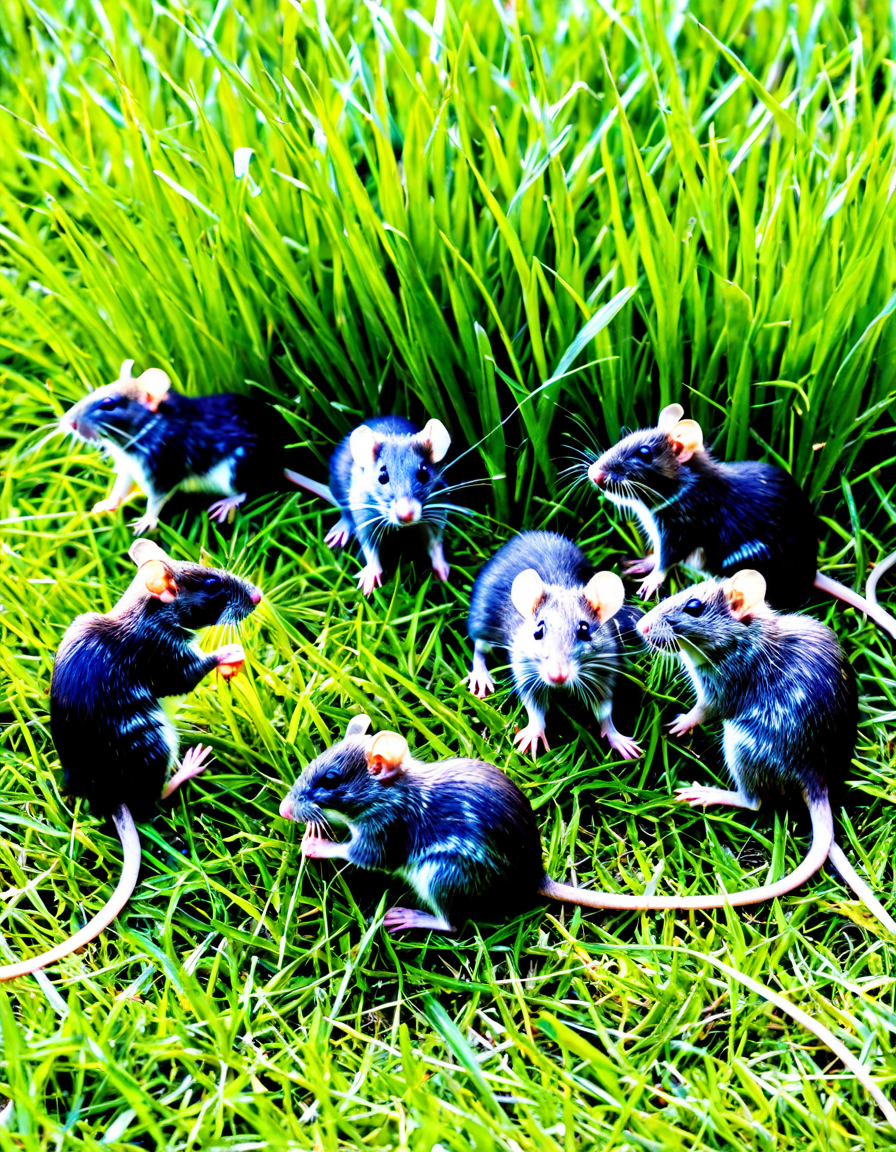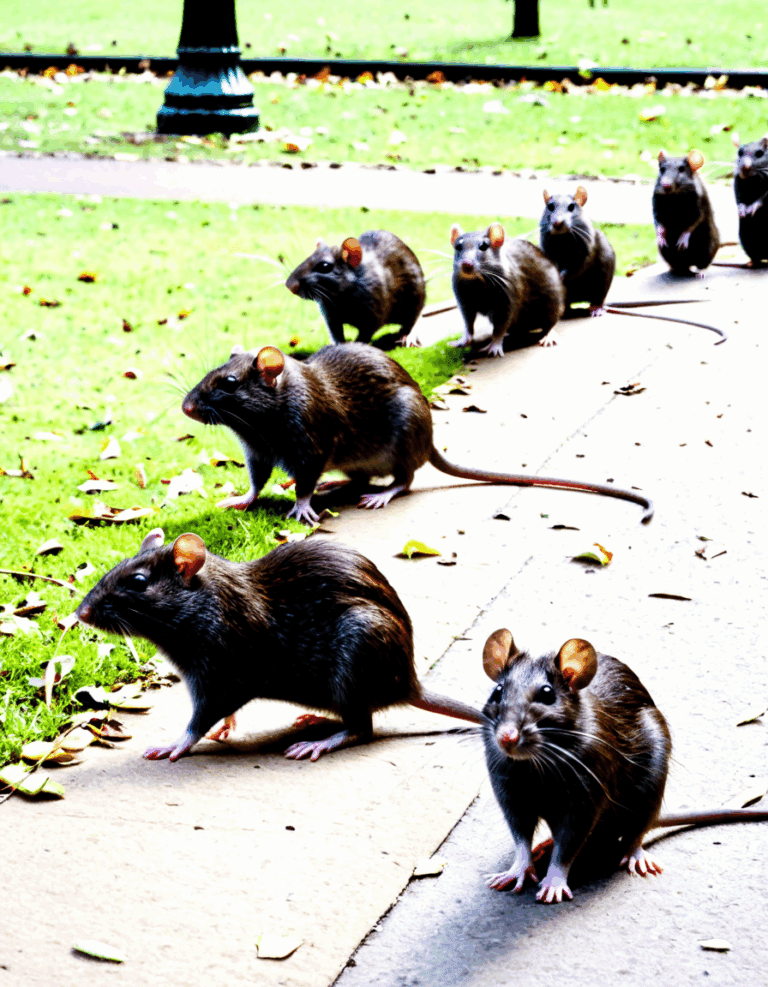
When it comes to the question of what is a group of rats called, the answer is simply “mischief.” This name perfectly captures the playful and curious spirit of these intelligent creatures. Rats are remarkably social and possess intricate social structures that play a vital role in their survival and overall health in the wild. From their communication skills to their hierarchy, understanding these dynamics helps us gain a better appreciation of their lives.
The Social Structure of Rats: What Is a Group of Rats Called?
Rats live in tight-knit family units or colonies, which allows them to collaborate in many aspects of daily life. These mischiefs are composed of various individuals, each taking on distinct roles to ensure the survival of the group. The bonds formed within a mischief are crucial, helping rats forage, evade predators, and raise their young.
In such social settings, you’ll find a mix of personalities and behaviors. The cooperation seen in these groups often enhances their chances of survival. Observations reveal that members work together to store food, watch for threats, and help groom one another, tying their social lives closely to their health and well-being.

Understanding Rat Behavior: More Than Just a Mischief
Rats thrive in their dynamic social environment. Within a mischief, behaviors are more than simple interactions; they’re a complex symphony where everyone plays a part. Understanding what makes them tick involves looking at their governance system and the way they function collectively.
Family groups are the backbone of rat society. It’s common to see family members huddling together or foraging in pairs. They communicate using vocalizations and body language that signal safety and stress, reinforcing group cohesion. Interestingly, rats often groom each other, fostering trust and companionship in their spontaneous social circle.
Hierarchy in Rat Communities: Leadership and Cooperation
Like many social animals, rats exhibit a hierarchical structure. The alpha rat usually emerges as a leader within the mischief, overseeing group activities like foraging. This dominance doesn’t mean rigid behavior; rather, it encourages flexibility and competition among younger rats aspiring to take the lead.
The dominant individuals often display protective instincts, especially toward weaker members of the group. This fluid hierarchy helps maintain balance and encourages social growth. As tougher challenges arise—be it for survival or securing resources—the dynamics can shift, leading to exciting competition in a rat pack.
Communication: The Language of Rats
Rats have a fascinating way of communicating, using various vocalizations, body postures, and even pheromones to express themselves. These signals are vital for maintaining harmony within the group. Soft squeaks may indicate friendliness, while louder cries often warn of danger.
Grooming, an essential part of their interactions, serves a double duty: it strengthens bonds and promotes hygiene among members. The relationships formed through these interactions play a crucial role in their overall well-being, showcasing the intricacies of rat communication.
What Breed of Dog is Beethoven? A Fun Rat and Dog Comparison
Comparing rats to dogs, we can see similarities in social behavior. Beethoven, the loveable St. Bernard from the family films, is a great example of loyalty and companionship, traits also found in rat communities. Like Beethoven, rats form strong bonds within their mischief, exhibiting care and teamwork.
This contrast highlights the nurturing side of both species. While Beethoven safeguards his family, rats also protect their young, using their social structure to ensure safety and care in their environment. It’s fascinating to observe how different species mirror each other’s loyalty in various ways.
The Vitality of Group Living: What Is a Newborn Horse Called?
Examining the nurturing aspect in rat societies, we see parallels with other animals, such as horses. A newborn horse is called a foal, while baby rats, known as pups, are born into their own nurturing environments. The mother rat, similar to many mammals, invests significant energy into raising her young.
In a mischief, older sibling rats also pitch in, teaching the pups essential survival skills. This collaborative parenting ensures the continuity of their social fabric, fostering an environment where young rats can thrive.
The Impact of Environment on Rat Behavior: What Is Cat Litter Made Of?
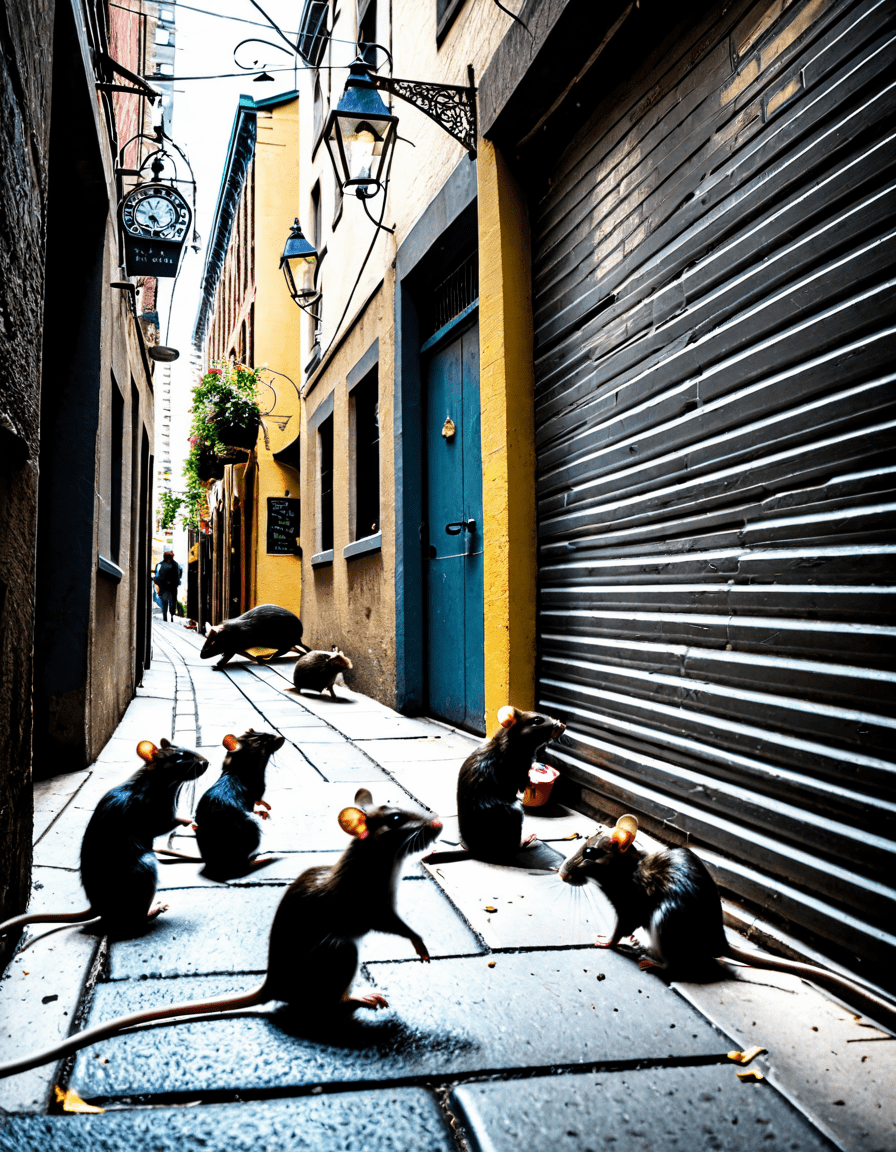
The environment significantly influences rat behavior, shaping how they interact within their mischief. For instance, urban rats adapt to human habitats, often altering their social behaviors in response to new challenges. Their need to navigate through dumpsters or crowded spaces means they develop different strategies to thrive.
Just like understanding what is cat litter made of sheds light on pet care, knowing about the environments where rats live can inform us about their community dynamics. Urban rats may demonstrate more cunning and flexibility compared to their wild cousins, showcasing the adaptability of these clever animals.
The Psychological Benefits of Living in a Mischief: What Is a Dog Kennel?
Living in a mischief brings substantial psychological benefits for rats. Being socially active minimizes stress and enhances their quality of life, similarly to how dogs thrive in a well-structured dog kennel designed for socialization. Group living provides a support system, enhancing emotional well-being.
Through play and interaction in their mischief, rats release anxiety and engage in bonding activities that reinforce community ties. This dynamic can significantly impact their mental health, helping them navigate an often-challenging world.
Breeding Dynamics: What Is a Newborn Guinea Pig Called?
Rats exhibit intriguing breeding behaviors, important for establishing the next generation. Just as a newborn guinea pig is called a pup, rat pups are also birthed into a nurturing environment. Every member of the mischief seems inherently aware of the importance of fertility and rearing, ensuring strong genetic continuity.
Parental figures—especially females—take an active role in educating their young, providing vital lessons in survival. This collective rearing approach highlights the supportive nature of their social structure, fostering a sense of community responsibility.
The Fascinating World of Group Animals: What Does a Newfoundland Dog Look Like When Wet?
Finally, when we think about group animals, visualizing them can paint a vivid picture. Consider a Newfoundland dog—when it’s wet, its fur may clump, but its friendly demeanor remains intact. Observing a mischief of rats offers a similar experience. Their coordination, bustling interactions, and adaptability, regardless of circumstances, reveal a heartwarming dynamic.
Just as the Newfoundland’s charm makes it lovable even in less-than-ideal conditions, the camaraderie among rats showcases their resilience. This vivid observation emphasizes the beauty of collective existence and the depth of interactions within a mischief.
In summary, grasping what is a group of rats called invites us into a deeper understanding of their social structure and relationships. They share qualities with other animals, reminiscent of connections found in dog breeds or nurturing dynamics seen in horses. Recognizing their communal behavior provides a rich perspective on the animal kingdom, enhancing our appreciation for the interconnectedness among species.
What Is A Group Of Rats Called?
Ever wondered what a group of rats is called? You’re not alone! In the wild, a collection of these clever critters goes by the captivating name “mischief.” It’s quite fitting, considering these little rodents are known for their antics and clever problem-solving skills. Just like in the fascinating tales of a Japanese demon, where cleverness and mischief intertwine, rats have their own quirks that keep them on their toes!
Fun Facts About Rat Groups
Now, here’s a nugget of trivia: these social animals often live in large colonies, sometimes numbering in the dozens. This communal lifestyle allows them to communicate and work together, much like a well-oiled machine—very reminiscent of how a hutch rabbit interacts with their environment by carving out a safe space among the chaos. Interestingly enough, each rat in the group plays a vital role, whether it’s foraging for food or keeping an eye out for predators. Speaking of food, did you know that some rats can be found scuttling through airports, including places like Sdq airport? It’s amazing how adaptable they can be!
Rat Behaviors and Traits
Rats are incredibly intelligent and display remarkable social behaviors, often forming strong bonds with one another, akin to how rachel starr captivates her audience through her performances. They communicate through chirps and squeaks, using these sounds to express themselves—far more complex than you might think! When it comes to survival, whether in the wild or in urban settings, these clever rodents have social strategies that often outsmart their foes. Similar to how one might find humor in the antics of a Rottie Poo, rats bring their own flavor to social dynamics!
So, whether you’re just quizzing your friends on what a group of rats is called or diving deep into the animal kingdom’s intricacies, it’s evident that these little creatures lead intriguing lives. If you’re curious about pet care services or guides, keep in mind that understanding animal behavior, just like knowing how much a goldendoodle might cost, can go a long way in highlighting the fascinating world we share with our furry companions.